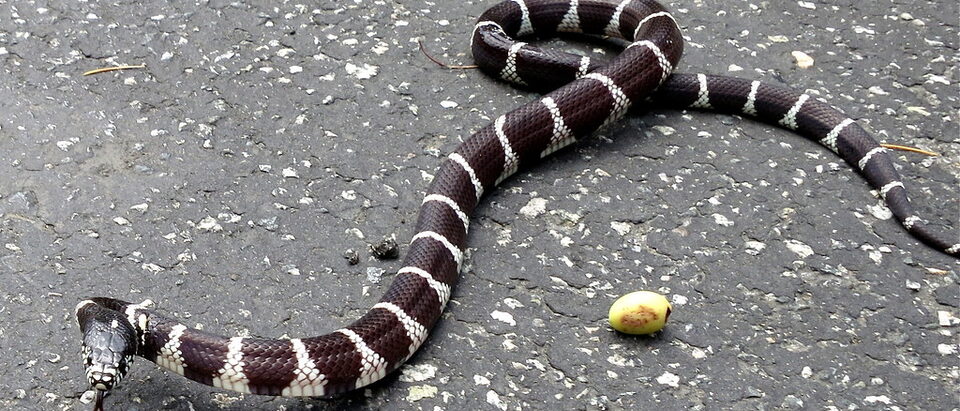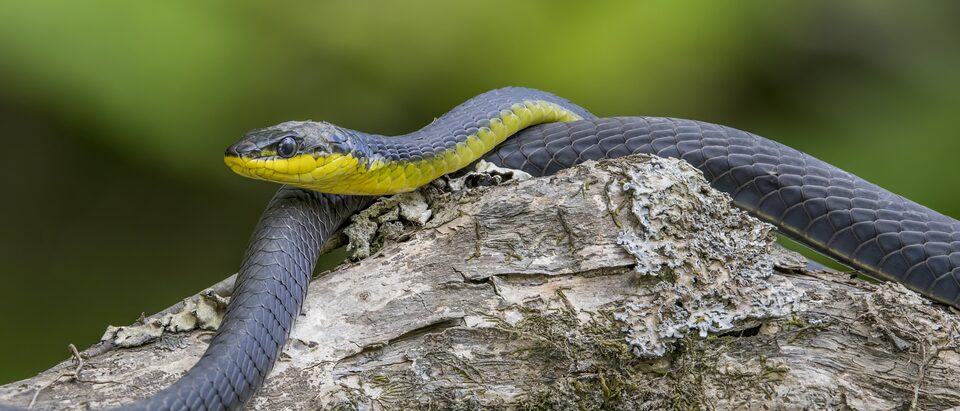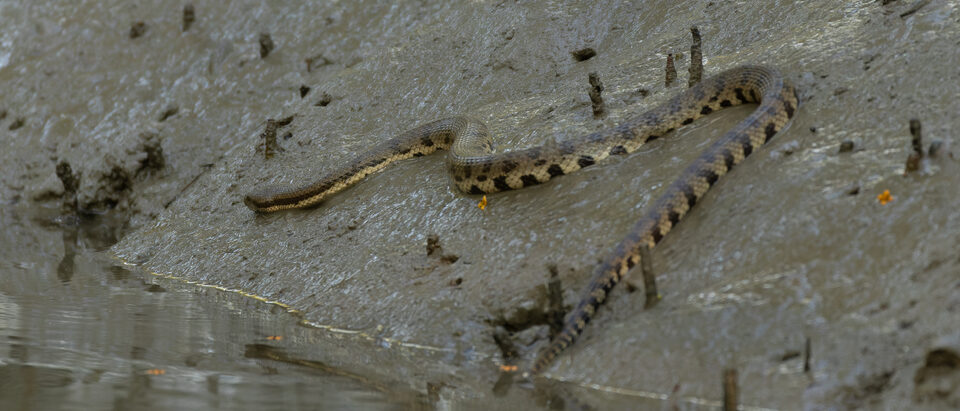

The first rule of finding a snake in your pool is the same as for every snake surprise: stay calm and don’t grab it. Most snakes you find swimming are harmless water snakes or garter snakes that fell in or came looking for water, and the last thing you want to do is corner or grab an animal you can’t identify.
Here is how to get the snake out without getting bitten, and how to keep them out of the water in the first place.
- Most swimming snakes are harmless, but treat any snake you can’t identify as venomous.
- Use a skimmer pole to guide it to a ramp, and let it climb out on its own.
- Get everyone out of the pool first, pets included.
- After it is out, skim the water and shock the pool before swimming.
- A floating ramp gives any snake that falls in a way out.
How to remove a snake from your pool
- Get everyone out of the water, including children and pets, and keep them away.
- Identify the snake from a safe distance if you can. If you cannot tell what it is, treat it as venomous and call a professional instead of handling it yourself.
- Extend a pool skimmer toward the snake and let it grab the net, but don’t lift it out of the water with the pole.
- Place a ramp or float at the edge so the snake has a way to climb out. A pool float, a board, or a wildlife ramp all work.
- Step back and wait. The snake will climb out on its own when it feels safe.
- Call a professional if the snake is venomous, won’t leave after a while, or you can’t safely guide it.
How to spot a venomous swimming snake
Don’t get clever with identification from across the yard. The practical rules are simple: never grab a snake from the water with your hands, and never try to kill it in the pool. If you are not certain it is harmless, treat it as venomous and call someone who knows.
Water moccasins, also called cottonmouths, are the venomous swimmers to watch for in the southeastern states, especially near lakes, ponds, and marshes. Their bite needs immediate medical attention, so leave them alone.
Clean the pool afterward
- Skim out any droppings or debris the snake left behind.
- Shock the pool with chlorine and run the filter for a full day.
- Test the water before anyone swims. Chlorine should be back in the normal range, around 1 to 3 parts per million.
Keep snakes out of your pool
- Cover the pool when it is not in use.
- Trim tree branches that hang over the water.
- Remove debris and hiding spots around the pool.
- Control the rodents, since snakes follow food.
- Add a floating wildlife ramp so any snake that does fall in can get out on its own.
One thing worth knowing: saltwater pools do not repel snakes. The salt level in a pool is far too low to bother them, so don’t count on a salt system to keep snakes away.
Frequently Asked Questions
Yes. Most snakes are capable swimmers, and they enter pools looking for water, prey, or a route across the yard. Some, like water snakes and cottonmouths, are strong swimmers and will stay in the water for a while.
Yes. If a snake gets exhausted and can’t find a way out, it can drown, because pool walls are too smooth to climb. A floating ramp gives it a way out and saves you the job of fishing it out later.
They can show up in pools near lakes, ponds, and marshes in the southeastern United States. Their bite is dangerous and needs immediate medical attention, so if you see one, stay back and call a professional.
Cover the pool, trim overhanging branches, remove hiding spots, and control rodents. A floating ramp gives any snake that does fall in an escape route so it doesn’t drown in the water.
Not until you have skimmed the water and shocked the pool with chlorine, then let the filter run for a full day and retested the water. A snake can leave droppings behind, so sanitize before you swim.
The Bottom Line
A snake in the pool is more startling than dangerous. Get everyone out, give the snake a ramp to climb out on, and let it leave on its own. Don’t grab it, and call a pro if you can’t identify it.
Then skim and shock the water, and add a floating ramp so the next snake that falls in can rescue itself.