
Professional vole control costs $200 to $600 for most yards, with a national average around $400. Voles are small rodents that damage lawns and gardens by eating roots, bulbs, and bark, and they are a yard problem, not an indoor one. Here is what you will pay and what drives the price.
- Professional vole removal costs $200 to $600, averaging about $400.
- Voles are outdoor pests, so exclusion inside the home is usually not part of the job.
- The infestation size and yard size are the main cost drivers.
- Trapping and habitat modification are the standard treatment.
Why Voles Cost What They Do
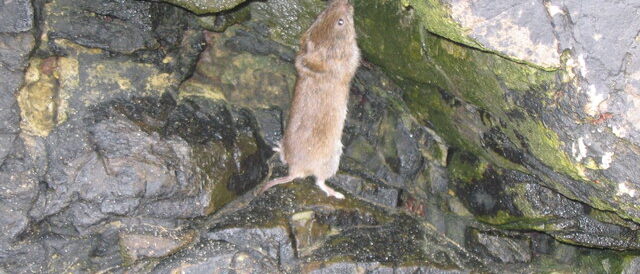
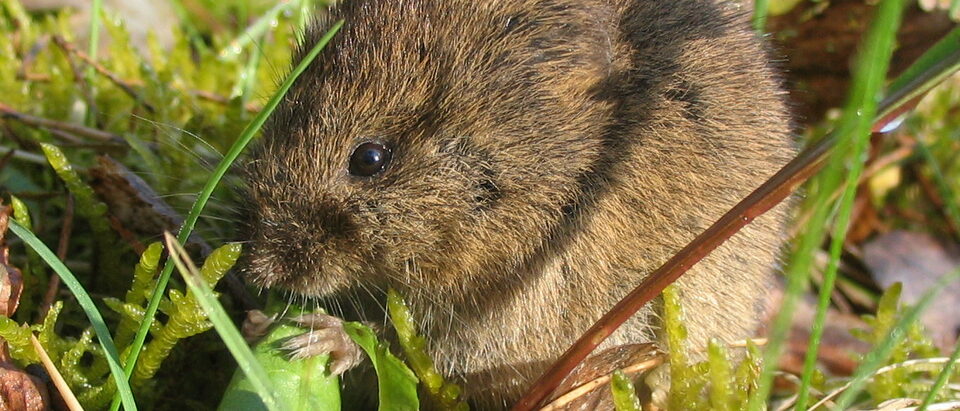
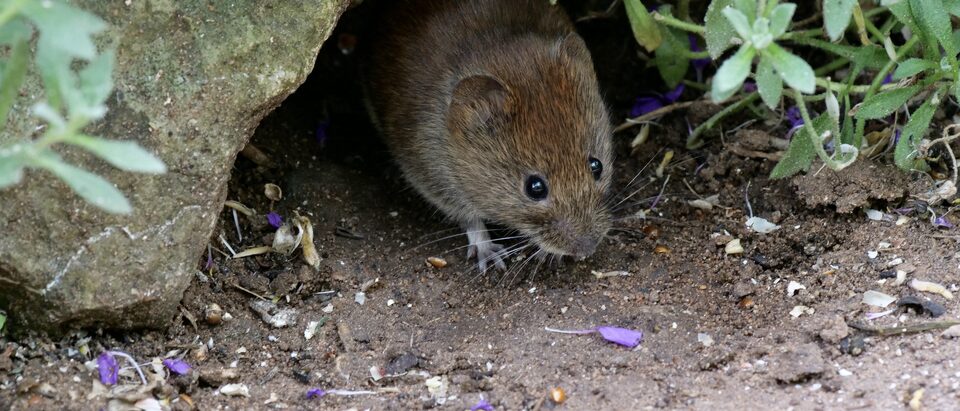
Voles are small rodents that look like stocky mice and live in the lawn and garden, where they create surface runways through the grass and mulch. They feed on roots, bulbs, and the bark of young trees, so the damage is to landscaping rather than the structure of the home.
Because they live outdoors, vole treatment focuses on trapping along runways and clearing the dense ground cover they need for shelter. This is generally less expensive than removing an animal from inside the house.
Typical Cost Breakdown
| Service | Typical Cost |
|---|---|
| Initial inspection | $100 to $250 |
| Basic treatment | $150 to $300 |
| Complete property treatment | $300 to $600 |
| Follow-up visit | $75 to $150 |
| Severe infestation | $500 to $1,000 |
The initial inspection is often credited toward the job if you hire that company. Severe infestations, where voles have spread across a large property, run higher and may need multiple visits.
What Drives the Price
Infestation size. A few voles in one garden bed is a small job. Voles spread across a whole yard with runways everywhere cost more because there is more area to trap and treat.
Yard size. Larger properties need more traps, more bait, and more labor to cover.
Method. Trapping costs $100 to $250, while baiting and poisoning run $150 to $350. A full program that combines trapping, habitat modification, and follow-up runs $400 to $900.
DIY vs. Professional Control
DIY vole control is genuinely viable for a small problem. Mouse-sized snap traps cost a few dollars each and work when placed along runways. Habitat modification, like clearing dense ground cover and mulch away from the foundation, is free and helps a lot.
Professional help is worth it when the population is large, when voles have spread across a big yard, or when you simply do not want to handle traps. You save about $250 by doing it yourself on a small problem. If you want a number for your own job before calling anyone, my cost calculator turns these ranges into an estimate in 30 seconds.
Ask whether the quote includes follow-up visits and whether the inspection fee is credited. Some companies charge per visit, others per project. For a yard pest, a single treatment often is not enough, so clarify how many visits are included before you agree.
When to Call a Professional
Call a pro for a large or recurring vole population, or when the damage keeps spreading despite trapping. Professionals can map the runways, treat the whole property, and advise on habitat changes that keep voles from returning.
Frequently Asked Questions
Professional vole control costs $200 to $600 for most yards, averaging around $400. Severe infestations across large properties can run $500 to $1,000.
No. Voles are small rodents that eat plant roots and create surface runways. Moles are insectivores that tunnel and leave raised ridges. The treatments and costs differ, so identify the animal before you pay.
Yes, for a small population. Mouse-sized traps placed along runways and clearing dense ground cover work well. Professional help is the better call for a large or recurring problem.
Rarely. Voles are outdoor pests, and they are not a typical indoor infestation. Their tunnels near the foundation can, however, give other rodents a path toward the house.
Dense ground cover, mulch, and tall grass give voles shelter and runways, and plant roots, bulbs, and bark are their food. Clearing cover and reducing mulch near the foundation makes the yard less attractive.