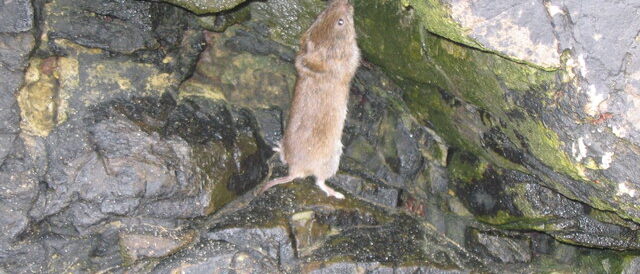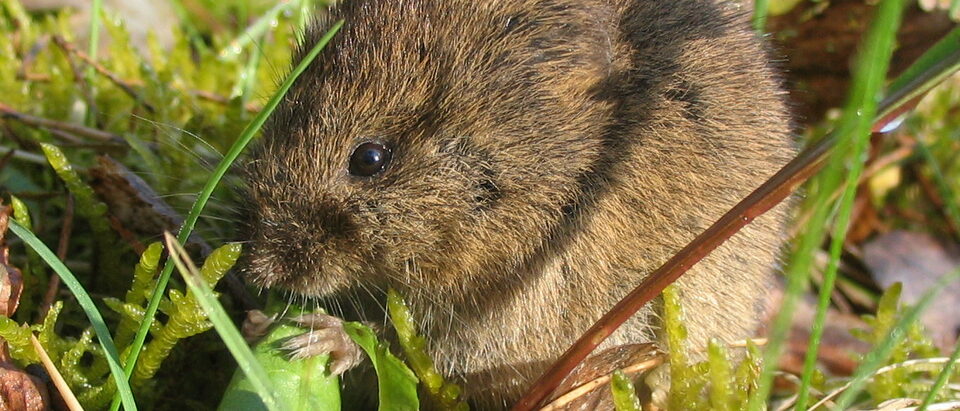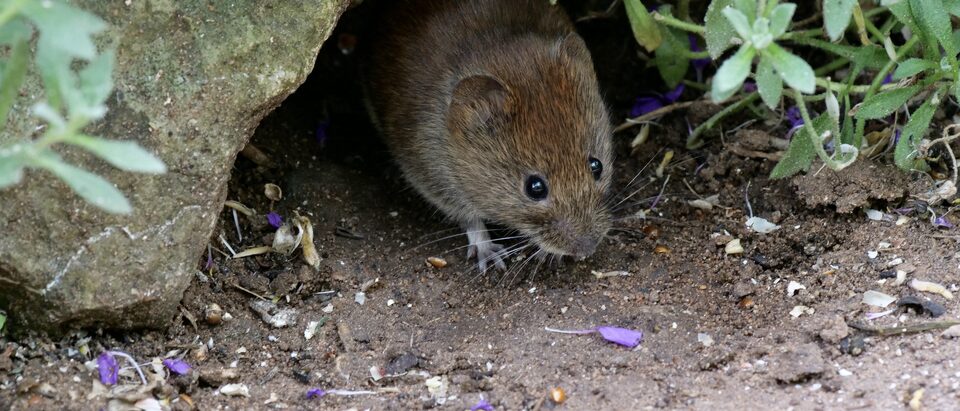

You get rid of voles by trapping or baiting, then removing the cover they need. Voles travel in surface runways and can damage lawns and plant roots, so the fix targets their runways. Here is what actually works.
- Voles leave surface runways, not mounds like moles.
- Trapping or baiting in runways is the reliable control.
- Remove mulch and ground cover that gives voles cover.
- Bait carries a secondary poisoning risk, so trap first.
Confirm It Is Voles
Voles leave narrow surface runways in the grass, about an inch or two wide, with small entrance holes. Moles leave raised ridges and mounds, and gophers leave fan-shaped mounds. Confirm voles before treating.
Trap the Runways
Mouse-sized snap traps placed in the vole runways work well, since voles follow the same paths. Bait with peanut butter or apple, and place the trap across the runway. Not sure if this is a DIY job? Take the DIY vs. pro quiz first.
Place traps in active runways. Voles use the same routes, so trap where they travel, not randomly.
Baiting, with Caution
Vole bait reduces a population quickly, but it carries a secondary poisoning risk to pets and predators. Use bait only in a tamper-resistant bait station and follow the label.
Remove Cover
Voles need cover to move safely. Remove mulch, leaf litter, and dense ground cover, and mow the grass short to expose their runways. Less cover means more predation and less vole activity.
Frequently Asked Questions
Trap or bait in their surface runways, and remove mulch and ground cover. Trapping is safer than poison, which carries a secondary poisoning risk.
Yes, their surface runways and root feeding damage grass and plants. The damage appears as winding trails in the lawn.
Moles leave raised ridges and mounds and eat insects. Voles leave surface runways and eat plants and roots.
Yes, but they carry a secondary poisoning risk to pets and predators. Trapping is the safer first choice.