
A snake in the basement is startling, but it is almost never an emergency. Most snakes that end up down there are harmless, and the snake is more scared of you than you are of it. Your job is to stay calm, keep eyes on it, and give it a way out.
Here is the whole process, step by step.
What to Do Right Now
- Stop moving and do not corner it. Stay several feet back and keep the snake in your sight. A snake only strikes when it feels trapped.
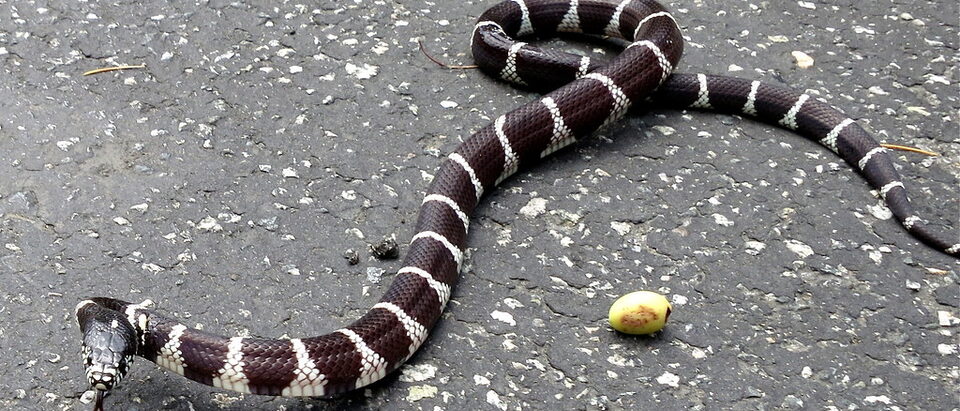
- Try to identify it from a distance. A triangular head can suggest a venomous snake, but plenty of harmless snakes flatten their heads to look triangular when scared, so do not bet your safety on that alone. If you cannot positively identify it, treat it as venomous.
- Give it an exit. Open an exterior door or a basement window if there is one. Most snakes will find their way out on their own once there is a clear path.
- Guide it if it will not go. Use a long-handled tool, a broom, or a snake grabber to gently steer it toward the open door. Do not grab it, and do not get close.
- Call a professional if it is venomous, if it has disappeared behind stored boxes, or if you are not comfortable. That is what they are for.
If you lose sight of the snake, do not go rooting through boxes after it. Clear a path, leave the door or window open, and let it leave on its own time.
Why It Is in Your Basement
Snakes end up in basements because basements are cool, dark, and damp, and because there is often food. Two of those you can control:
- Moisture. A damp basement attracts the bugs and rodents snakes eat. Fix leaks and run a dehumidifier.
- Prey. If you have mice or rats down there, you have a reason for snakes to visit. Control the rodents and the snakes stop coming.
- Access. Cracks in the foundation, gaps around pipes, open windows, and a missing door sweep are all invitations.
Keeping Them Out
- Seal foundation cracks with hydraulic cement.
- Close gaps around pipes with steel wool and expanding foam.
- Cover basement windows with fine hardware cloth.
- Add a door sweep to the basement door.
- Reduce moisture with a dehumidifier or vapor barrier.
- Clear the clutter. Stacks of boxes and junk are snake hiding spots.
For more on identifying what you found, read my snake ID guide.
Frequently Asked Questions
Through foundation cracks, gaps around pipes, open windows, and gaps under doors. A young snake can get through a surprisingly small opening, and damaged crawl space vents are another common route.
Basements are the indoor space most likely to hold a snake, because they are cool, dark, and damp, and they usually have cracks for access. You are most likely to see one during a heat wave or a cold snap.
Usually, yes, once there is a clear path out. Give it an open door or window and time. If it has found food and shelter down there, it may stay, which is when you gently guide it or call someone.
If you saw it go in but cannot find it, clear a path and leave the exit open, and stop rummaging through boxes. It will likely leave on its own. If you are concerned, or you think it is venomous, call a wildlife professional rather than tearing the place apart.
Only if you are certain it is harmless and you have a long-handled tool or a snake grabber to keep distance. If there is any doubt about the species, call a professional. A bite is not worth it.
The Bottom Line
Stay calm, keep your distance, identify it if you can, and give it a way out. Then dry the basement out, deal with any rodents, and seal the cracks so it does not come back.
Most basement snakes are harmless and will leave on their own once you stop panicking and open a door.