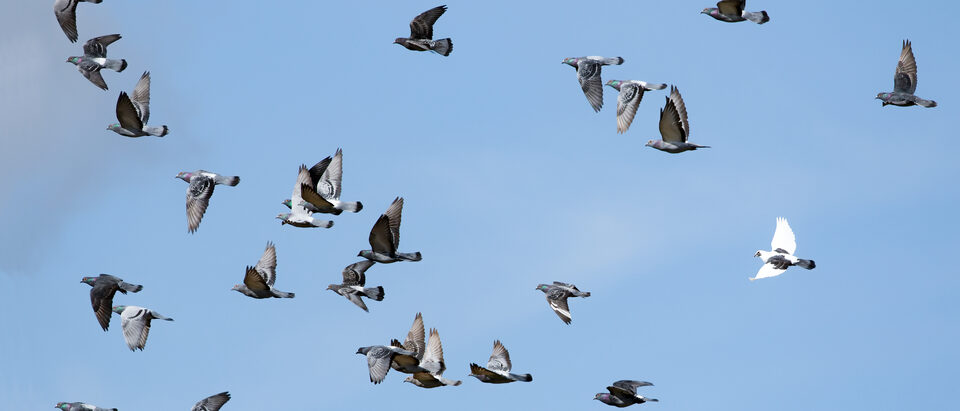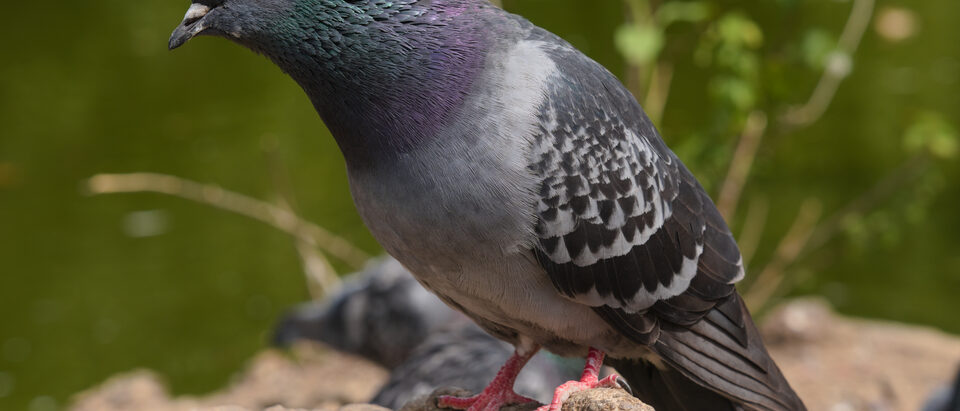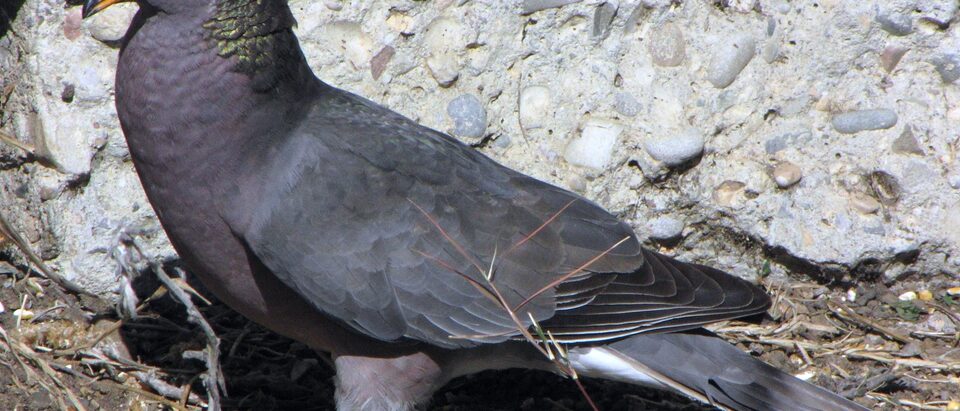

Pigeon control spikes are the most reliable way to keep pigeons off ledges, signs, and rooflines. Pigeons have a strong homing instinct, so the durable fix is denying them a landing surface with spikes, then proofing the rest. Here is what to look for.
- Spikes deny pigeons a landing surface, which is the most reliable control.
- Use wider spikes for pigeons, not narrow ones meant for sparrows.
- Pigeons are not protected, so spikes and proofing are legal.
- Pair spikes with netting for large roosting areas.
Why Spikes Work on Pigeons
Pigeons are heavy birds that need a flat surface to land and roost. Spikes remove that surface, so the pigeon moves on. They do not harm the bird; they simply make the spot unusable.
The key is width. Pigeons need wider spikes than small birds, since narrow spikes leave room for a pigeon’s feet.
Choosing Pigeon Spikes
Width
Choose spikes wide enough that a pigeon cannot straddle them. Pigeon-grade spikes have longer, denser prongs than sparrow-grade spikes.
Material
Stainless steel spikes last for years outdoors. Plastic spikes are cheaper but degrade in sunlight and weather.
Length and Coverage
Measure the full length of every roosting surface. Pigeons will use the one spot you missed, so cover the entire ledge, sign, or roofline.
How to Install Pigeon Spikes
-
Find every roosting spot. Pigeons use ledges, signs, beams, window sills, and rooflines. Identify them all.
-
Clean and dry each surface. Remove droppings and debris so the adhesive bonds.
-
Cut strips to length. Use the manufacturer’s break points to cut the base strip.
-
Attach with adhesive or screws. Use adhesive for smooth surfaces and screws for porous surfaces like wood.
-
Cover the entire surface. Leave no gaps, and protect every adjacent spot, since pigeons relocate to the nearest unprotected surface.
Pigeon Proofing Beyond Spikes
Spikes handle ledges and beams, but pigeons also roost on open areas and under eaves. Pair spikes with these methods:
Netting. For large open areas like courtyards or under eaves, netting blocks access entirely.
Cleaning. Pigeons return to the smell of their own droppings. Clean the area thoroughly before installing spikes.
Remove food. Pigeons are drawn by food sources. Remove open trash and spilled grain so they have no reason to stay.
Frequently Asked Questions
Yes, spikes are the most reliable pigeon control because they deny the landing surface. They work as long as you cover the entire surface and use pigeon-grade width.
Yes. Spikes do not harm pigeons; they remove the perch so the bird moves on. They are not sharp enough to injure.
Yes. Pigeons are not protected under the Migratory Bird Treaty Act, so spikes and proofing are legal. Native birds are protected.
Pigeon-grade spikes with longer, denser prongs. Narrow sparrow spikes leave room for a pigeon’s feet.
Spike the ledges and beams, net large open areas, and remove food sources. Clean droppings before installing spikes so pigeons do not return to the smell.