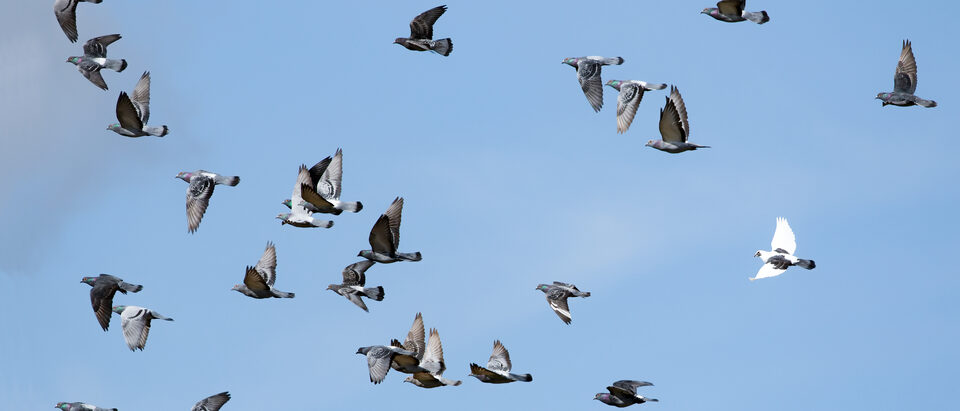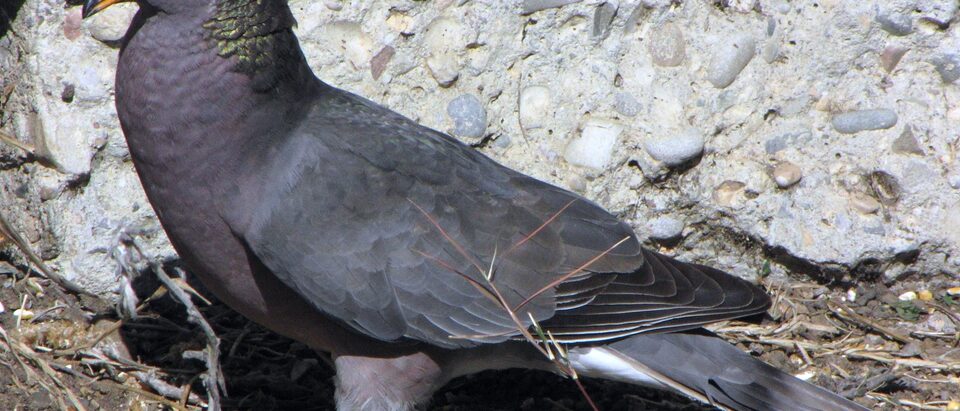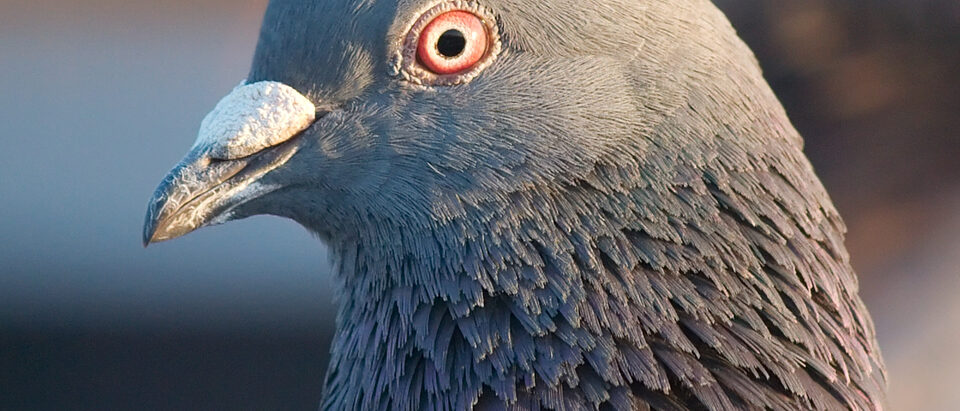

Pigeon traps use a one-way entrance to catch birds alive, and the best ones hold a flock and release easily. Trapping is one approach to a pigeon problem, though proofing with spikes and netting is usually the more durable fix. Here are the traps worth using.
- One-way entrance traps catch pigeons alive and let them out easily.
- Large traps hold a flock and are more effective than small cages.
- Trapping is most useful before proofing an area.
- Pigeons are not protected, so trapping and proofing are legal.
Quick Comparison
| Product | Type | Best For | Buy |
|---|---|---|---|
| Bird B Gone Large Pigeon Trap | Large trap | Best Overall | Check price |
| HAYLILUYOO Pigeon Trap Cage | Cage trap | Best Value | Check price |
| SorenCut Pigeon Trap | Cage trap | Best Escape-Proof | Check price |
| Kankyday Pigeon Cage | Cage trap | Best One-Way | Check price |
| Terquenix Bird Trap | Small trap | Best Small | Check price |
| Suzile 2-Pack Trap Doors | Trap doors | Best Doors | Check price |
Best Overall: Bird B Gone Large Pigeon Trap
 Best Overall
- Type
- Large cage trap
- Target
- Pigeons
- Capacity
- 30 birds
- Entrance
- One-way
The Bird B Gone large pigeon trap is a 46-by-24-by-10-inch trap with a 30-bird capacity, built for flock removal. The one-way entrance lets pigeons in but not out.
The large capacity matters because pigeons roost in flocks, and a small cage catches too few to make a difference.
Best Value: HAYLILUYOO Pigeon Trap Cage
 Best Value
- Type
- Cage trap
- Target
- Pigeons
- Entrance
- One-way
- Feature
- Escape-proof
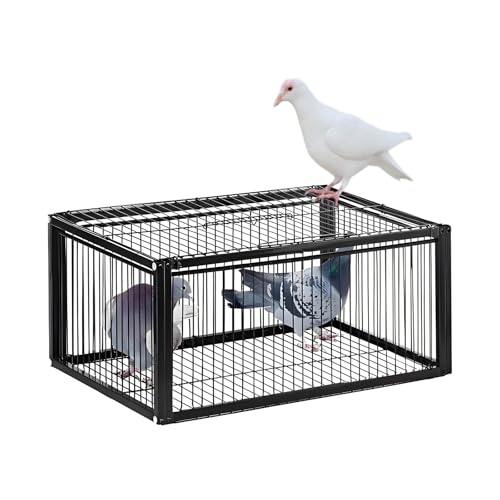
The HAYLILUYOO pigeon trap is a cage with a one-way entrance and an escape-proof design, at a value price. It is the economical choice for a smaller pigeon problem.
The cage is easy to set and holds birds until you are ready to release them elsewhere.
Best Escape-Proof: SorenCut Pigeon Trap
 Best Escape-Proof
- Type
- Cage trap
- Target
- Pigeons
- Entrance
- One-way
- Feature
- Escape-proof
The SorenCut pigeon trap uses an escape-proof design with a one-way entrance, so birds cannot get back out once inside. The cage is sized for pigeons.
The escape-proof design means you do not lose birds between checks.
Best One-Way: Kankyday Pigeon Cage
 Best One-Way
- Type
- Cage trap
- Target
- Pigeons
- Entrance
- One-way
- Feature
- Escape-proof
The Kankyday pigeon cage uses a one-way entrance that lets pigeons in but not out, with an escape-proof design. It is the straightforward one-way trap for a roosting flock.
The design is simple and effective for catching birds alive.
Best Small: Terquenix Bird Trap
 Best Small
- Type
- Small trap
- Target
- Pigeons and sparrows
- Size
- Small
- Placement
- Ledges, signs
The Terquenix bird trap is a smaller, upgraded trap that also works for sparrows, making it useful for a mixed small-bird problem. It is the right choice for a small number of pigeons or a sparrow issue.
The smaller size is easier to place on ledges and signs where pigeons roost.
Best Doors: Suzile 2-Pack Trap Doors
 Best Doors
- Type
- Trap doors (2-pack)
- Target
- Pigeons
- Use
- DIY trap
- Feature
- One-way doors
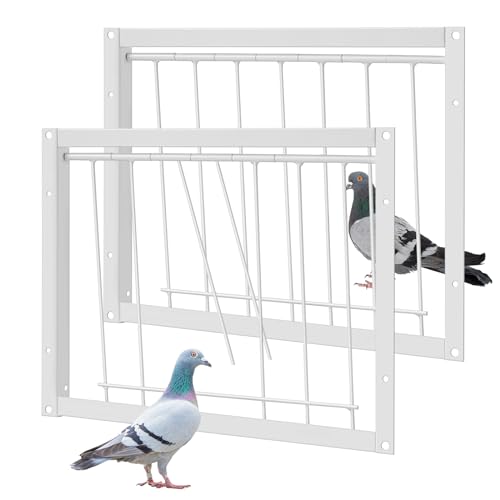
The Suzile two-pack of trap doors converts a homemade box into a pigeon trap, giving you two one-way entrances. It is the DIY option for building your own trap.
The doors are the right choice if you want to build a larger trap than the commercial cages.
How to Choose a Pigeon Trap
Trap vs. Proofing
Trapping removes the birds you have, but proofing with spikes and netting is what keeps them from returning. The durable fix is to trap the flock, then proof the roosting site.
Capacity
Pigeons roost in flocks, so a larger trap holds enough birds to matter. A small cage catches too few to reduce a flock.
Legal Note
Pigeons are not protected under the Migratory Bird Treaty Act, so trapping and proofing are legal. Native birds, by contrast, are protected.
Frequently Asked Questions
Yes, one-way entrance traps catch pigeons alive, especially when they hold a flock. But trapping alone is temporary unless you proof the roosting site afterward.
One-way entrance traps catch birds alive and unharmed, so they can be released elsewhere. Check local rules on releasing birds.
Yes. Pigeons are not protected under the Migratory Bird Treaty Act, so trapping and proofing are legal. Native birds are protected.
Trap the flock, then proof the roosting site with spikes or netting so they cannot return. Trapping alone is temporary.
For a flock, a trap with a 20 to 30 bird capacity is the practical size. A small cage catches too few to make a difference.