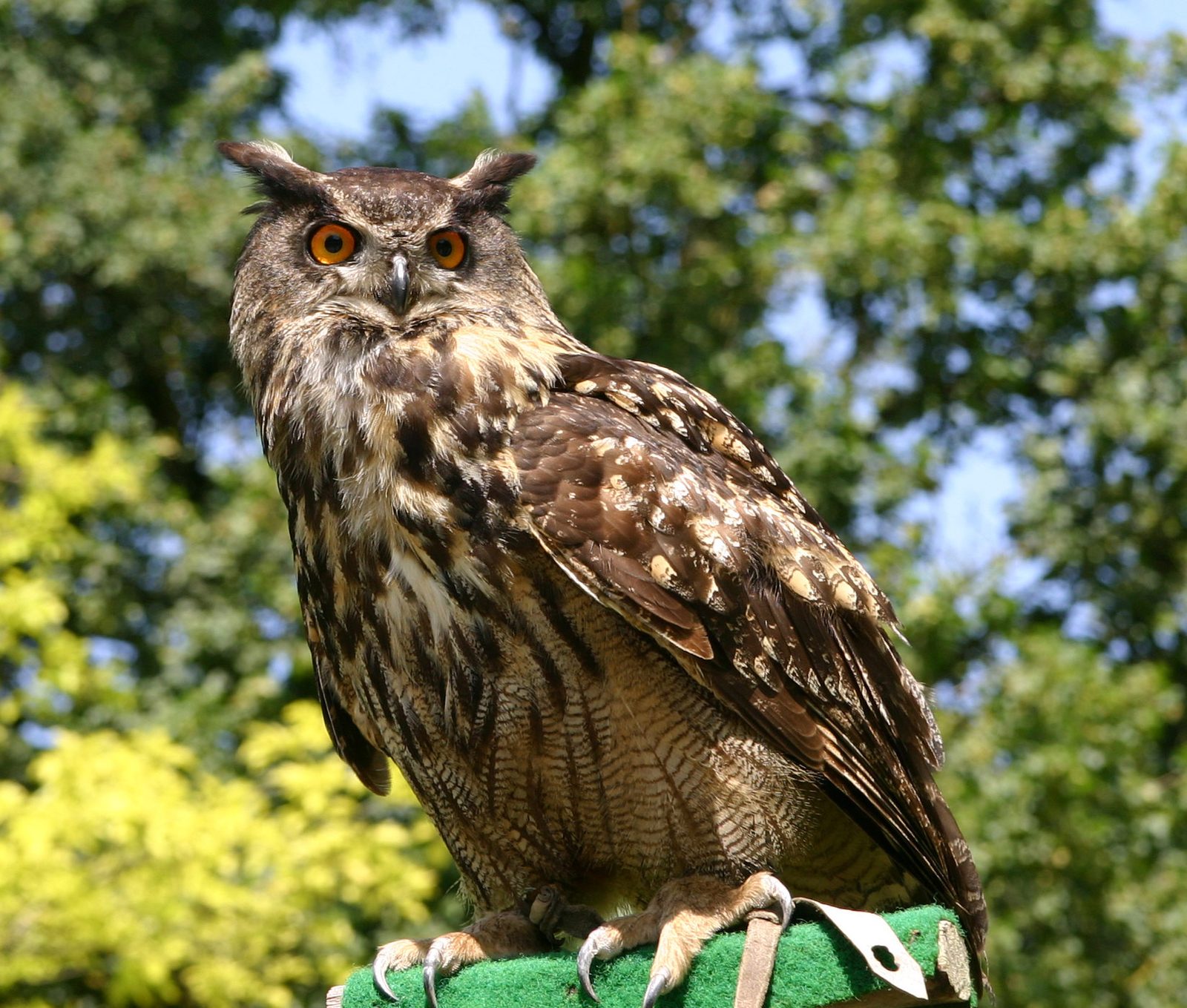
The Washington Department of Fish and Wildlife has released a draft status report recommending that the burrowing owl be classified as a state endangered species, and the agency is taking public comments through Dec. 31, 2026. I opened the agency’s news release and read the draft recommendation, which states that burrowing owls once ranged across much of Washington but have since been eradicated from most of the state outside of the eastern region.
What the status report says
The draft report is the scientific basis for the recommendation, and it documents the owl’s decline across its historical range in Washington. The agency’s own news release describes the bird as having “been eradicated from most of the state outside of the eastern” areas, which is a strong statement for a state agency to make about a native species. I compared this with previous WDFW status review cycles, and this is the first time in recent years the agency has moved to propose an endangered listing for this ground-nesting owl.
The burrowing owl is unusual among owls because it lives in open grasslands and nests in underground burrows, often those dug by prairie dogs or badgers. Habitat loss, shrinking prey populations and human disturbance have all contributed to its decline, according to the draft report.
What this means for Washington homeowners
If you have burrowing owls on your property in eastern Washington, a state endangered listing would add them to the list of species protected under state law. That means disturbing nests, burrows or the owls themselves could carry legal consequences, and it would also unlock state resources for habitat conservation. If you believe owls are nesting on your land, the WDFW asks that you submit your observations during the public comment period, which helps the agency finalize its decision.
For homeowners who find an owl or other protected wildlife in a shed or outbuilding, the wildlife removal directory can help you locate a licensed operator in your area who knows the state rules. The public comment period ends Dec. 31, 2026, and the Washington Department of Fish and Wildlife will accept written comments through its website until then.
The notice is published by Washington Department of Fish and Wildlife at wdfw.wa.gov.