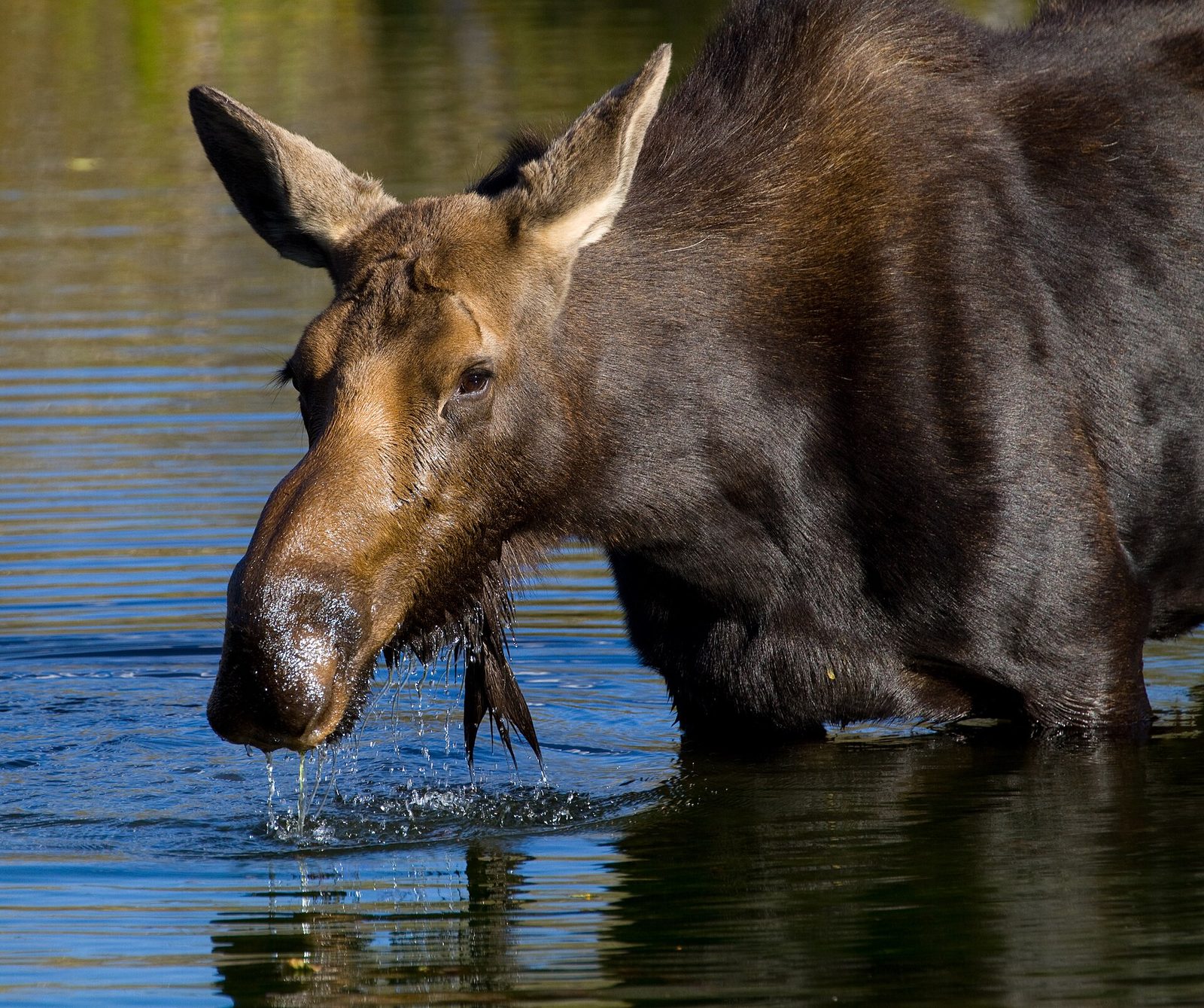
The Vermont Fish and Wildlife Department issued 85 moose hunting permits this year, and hunters harvested 51 moose during the October 1-7 archery season and the October 17-25 regular season. I pulled the department’s press release from November 9, and the hunting was limited to Wildlife Management Unit E in northeastern Vermont.
What the numbers show
The department issued permits for a single wildlife management unit, a deliberate tightening from past seasons when moose hunting was allowed in multiple units. Vermont’s moose population has been declining for years due to winter tick infestations and habitat changes, and the department has used permit reductions to slow the harvest.
This year’s 51 moose taken compares with recent seasons where the department issued similar permit numbers in the same unit. The department said moose are more numerous in Unit E than elsewhere in the state, which is why that unit remains open while others stay closed.
What this means for Vermont homeowners
For a homeowner in northeastern Vermont, a moose in the yard is not a rabies risk , moose do not carry rabies the way raccoons, bats, or skunks do , but a moose can still be dangerous, especially during calving season in the spring or when dogs are present. Moose are large animals and will defend themselves if cornered, so the state advises giving them plenty of space and keeping pets inside when one wanders through.
If a moose shows up on your property, the Vermont Fish and Wildlife Department recommends staying at least 50 feet away and never attempting to feed or herd the animal. The department’s full press release with the 2026 harvest breakdown is available on the Vermont Fish and Wildlife page.
For homeowners dealing with any wild animal in or around the house, knowing when to handle a situation yourself and when to call a professional can make the difference, and the basics of DIY vs professional wildlife removal cover that decision. If an animal gets inside, the immediate steps you take matter, including securing the room and opening an exit route.
The notice is published by Vermont Fish and Wildlife at www.vtfishandwildlife.com.