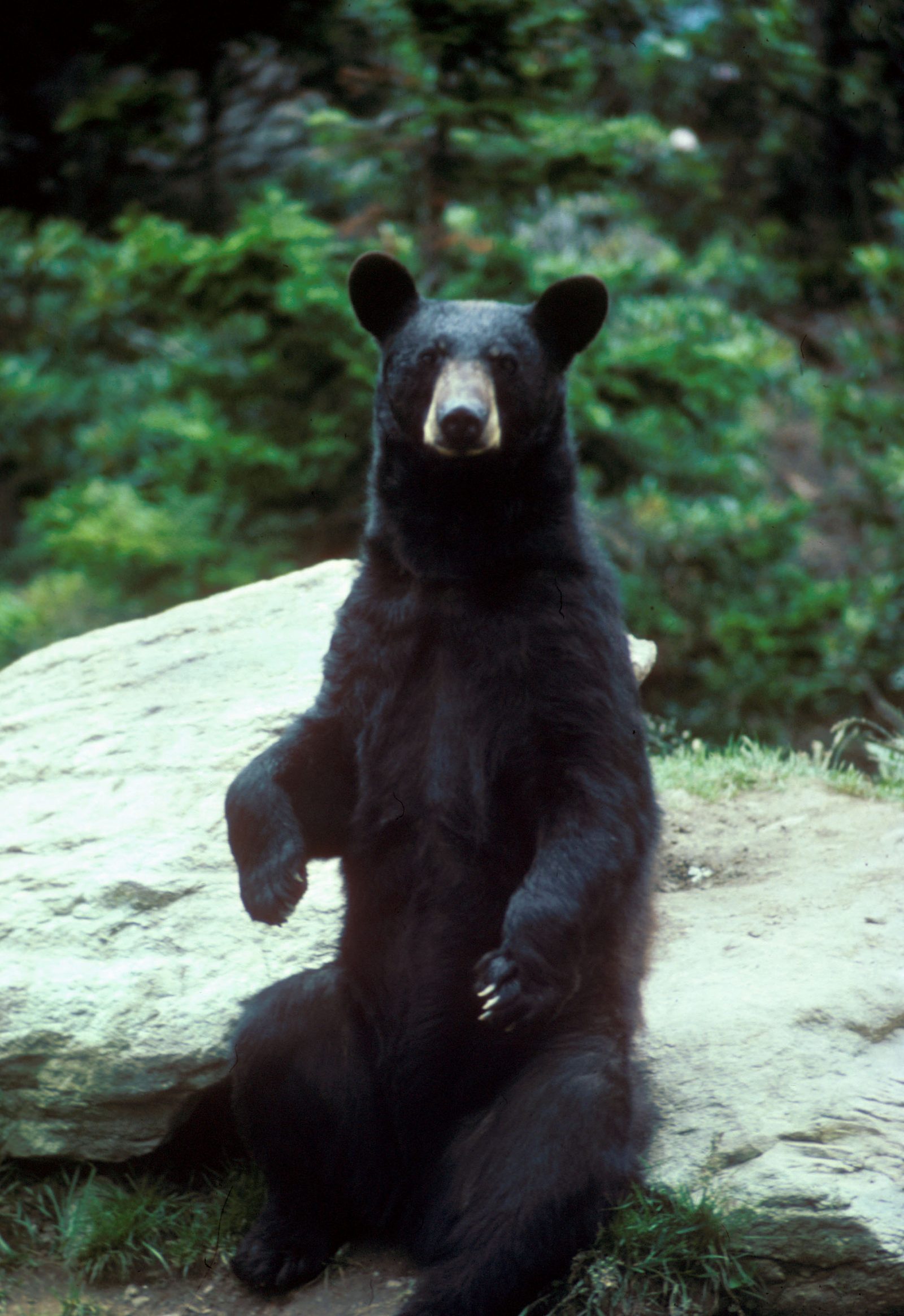
A man in Pitt County, North Carolina, faces criminal charges after shooting a black bear that he told investigators was eating a chicken in his yard. The incident occurred in late September, and the charges were confirmed by a WITN Greenville report I read through the outlet’s September 27, 2026, article.
Gero, whose full name was not released by authorities, told investigators that he saw the bear eating a chicken on his property and then shot it. The bear was killed on the spot. North Carolina wildlife law generally prohibits the killing of black bears except during authorized hunting seasons or under a special permit, but the state does allow a person to take a bear if it is actively attacking livestock.
The legal distinction
The key issue in this case appears to be whether the bear was actively attacking the chicken at the moment Gero fired. The report from WITN Greenville notes that Gero told investigators he saw the bear eating a chicken before he shot it. If the bear had already killed the chicken and was merely feeding, state wildlife officials may consider that a completed act rather than an ongoing attack, which could make the shooting illegal under North Carolina’s bear protection rules.
North Carolina classifies black bears as a protected species, and the state Wildlife Resources Commission sets strict rules for when a landowner can legally kill one. The state considers killing a bear lawful only when the animal is in the act of inflicting harm on livestock or poultry, not after the attack has ended.
What this means for homeowners
For a homeowner in North Carolina, this case underscores the narrow window of legal action against a black bear. If you see a bear eating livestock or a chicken in your yard, you must shoot while the attack is happening, not after the bear has already killed the animal. Shooting a bear that is walking away or feeding on a carcass can lead to charges.
The state recommends that landowners secure chicken coops and livestock pens with electric fencing and bear-proof latches to prevent attacks in the first place. If you encounter a bear on your property, the safest legal course is to contact the North Carolina Wildlife Resources Commission rather than handling it yourself. The commission can be reached at 866-318-2401 for immediate guidance on bear conflicts.
The notice is published by WITN Greenville at www.witn.com.