
A 15-year University of Florida Extension program in Escambia County has published its final report on the snakes that most concern Pensacola-area homeowners, wrapping up what the agent called one of the most requested programs she has run. I read the final report on the UF/IFAS Escambia County blog, which summarizes the snake species brought in for identification and the questions residents asked most often.
The Snake Watch Project, started in 2011, collected data from live snakes that residents captured or killed and brought to the Extension office for identification. The program aimed to answer basic questions about which species live in the area, which ones are venomous, and what behavior is normal. Over the years it logged dozens of species, with the most common being rat snakes, corn snakes, and eastern garter snakes. For homeowners who want to tell the difference at a glance, my site has a visual guide to the common garden snakes that are typically harmless and beneficial around the yard.
What The Report Means For Florida Homeowners
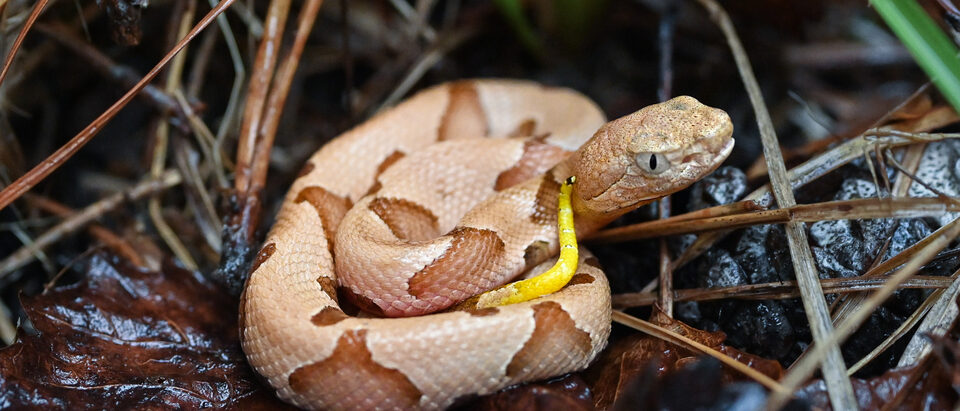
The Extension agent noted that fear and misinformation are the biggest drivers of snake calls. Many of the snakes brought in were harmless species that people mistook for venomous ones. The report recommends that homeowners learn to recognize the six venomous species native to Florida , such as the eastern diamondback rattlesnake and the cottonmouth , rather than trying to kill every snake they see. Killing a snake, the agent writes, increases the chance of a bite and is unnecessary since most snakes leave on their own.
The final report also lists practical steps for reducing encounters: keep grass short, remove debris piles and wood stacks close to the house, and seal gaps under doors and around utility lines. Snakes enter homes looking for rodents, so controlling the prey is key. If squirrels are the reason rodents are getting in, my site has a guide on the signs of squirrels in your house that can help you find entry points before snakes do.
The full report is published on the UF/IFAS Escambia County blog.
The notice is published by UF/IFAS Escambia County Extension at blogs.ifas.ufl.edu.