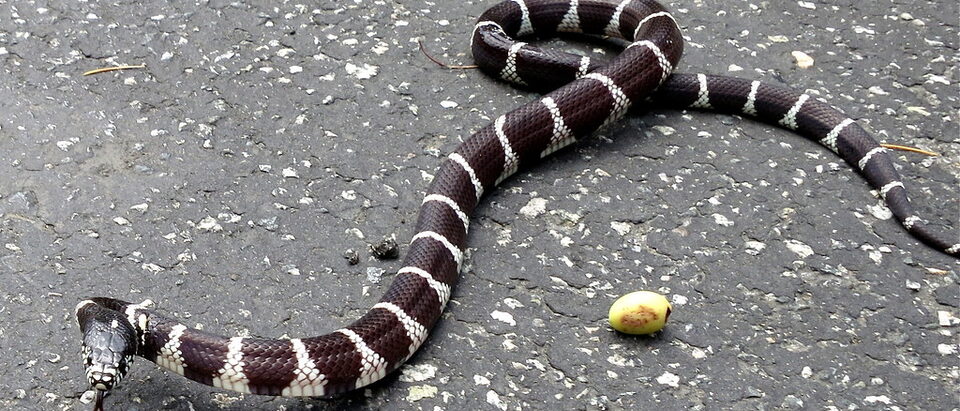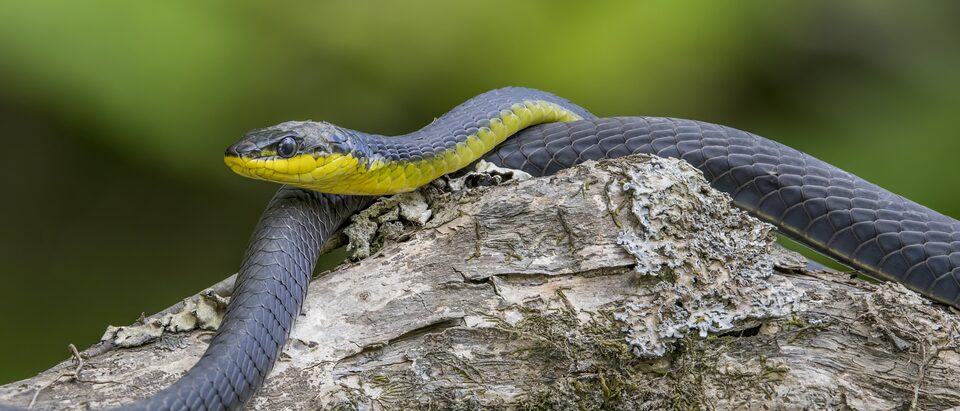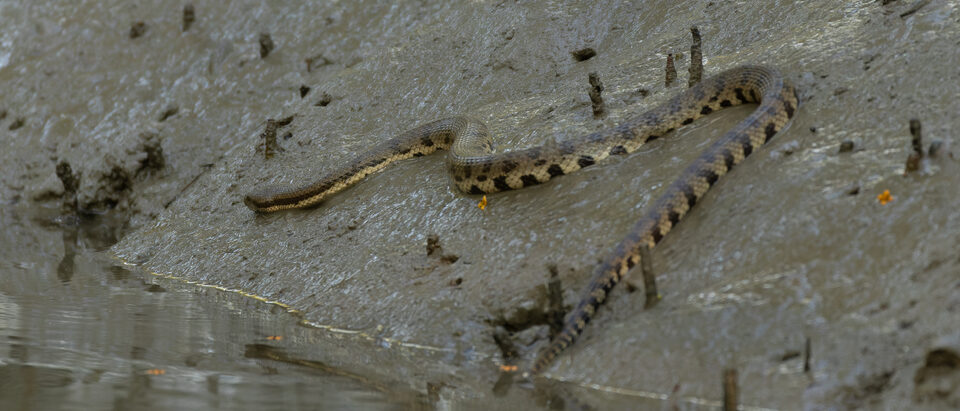

If there’s a snake at your children’s playground, the play is to clear the kids out calmly and call someone who knows what they’re doing. Do not try to handle it yourself.
Most snakes you’ll see around a playground are harmless, but you can’t always tell from a distance, and near children the only safe assumption is that any snake could bite. Here’s exactly what to do, and how to keep it from happening again.
Clear the kids out first
The priority is distance, not identification. Get every child away from the snake immediately, and do it calmly:
- Tell the kids to walk, not run, to a safe spot well away from the snake.
- Keep them from yelling or making sudden moves, excitement can startle the snake.
- If it’s your playground to manage, close it off until the snake is gone.
Panic is the real danger here. A scared child runs toward the wrong thing, and a startled snake is more likely to strike. Calm and quiet wins.
Then deal with the snake
From a safe distance, try to note the snake’s color, pattern, and size, but don’t get close to figure out what it is. If you can’t identify it for certain, treat it as venomous.
Your next call is to animal control or a wildlife removal pro. Do not try to catch, shoo, or kill the snake yourself, especially with kids around. That’s how bites happen.
If a child is bitten
Take this seriously, even if the snake looked harmless:
- Call 911 immediately.
- Keep the child calm and still, with the bitten limb lower than the heart.
- Remove jewelry or tight clothing near the bite before swelling starts.
- Do not cut the wound, try to suck out venom, or tie a tourniquet. Those old methods do more harm than good.
Get the child to a hospital, and if you can do it safely, note what the snake looked like without trying to catch it.
Keeping snakes out of the playground
The snake showed up because something about the area works for it, usually rodents, insects, or shade. Fix those and you fix the problem:
- Cut the grass short and keep it that way.
- Clear leaf litter, wood piles, and mulch where snakes and their prey hide. Wood chips in particular hold the rodents that draw snakes in.
- Remove food sources. Bird feeders and unsealed trash attract the rodents that snakes hunt.
- Put up snake-proof fencing with small mesh around the play area, buried a bit at the bottom so snakes can’t slip under.
- Check the area daily. A quick walkthrough before kids arrive catches a snake before anyone finds it the hard way.
Teach the kids the rule too: if you see a snake, stop, back away slowly, don’t touch it, and tell an adult. That one habit prevents most bites.
Frequently Asked Questions
Mostly harmless ones like garter snakes, rat snakes, and black racers. In warmer regions you might see a copperhead or rattlesnake, which are venomous. Since you can’t always tell them apart, treat any snake near children with caution.
Short grass, no leaf litter or wood piles, no bird feeders, and snake-proof fencing with small mesh. Daily checks are the last line of defense.
Yes. Teach them to stop, back away slowly, not run or scream, and tell an adult, and to never touch or pick up a snake. It prevents panic, which is what actually leads to bites.
You usually can’t, and you shouldn’t try. Head shape and pupil shape aren’t reliable, especially from a distance. Some venomous snakes have round pupils, and plenty of harmless snakes flatten their heads to look triangular. If you can’t positively identify it, treat it as venomous and keep everyone back.
No. Trying to kill a snake is how most snakebites happen. Clear the area, keep the kids away, and call animal control. Let a pro remove it.