
Getting rid of groundhogs takes a few steps, and there’s no magic trick that does it in one shot. You trap the animal, fence off what it’s eating, and clean up the yard so it has no reason to come back. Skip any of those and you’ll be dealing with the same problem next spring. I’ll walk you through it in order. Not sure if this is a DIY job? Take the DIY vs. pro quiz first.
- Live trapping works, but only if you place the trap right and check it often.
- Fencing is the long-term fix. A buried fence is what actually keeps them out of the garden.
- Clean up the yard. Brush piles, tall grass, and spilled birdseed are what draw them in.
- Check your local rules before you trap or relocate, they vary by state.
Step 1: Make Sure It’s a Groundhog
Before you start trapping, confirm you’re dealing with a groundhog and not a rabbit or a neighbor’s cat. Look for a burrow entrance about 6 to 10 inches across, usually with a mound of dirt shaped like a crescent. Groundhog droppings are oval and dark.
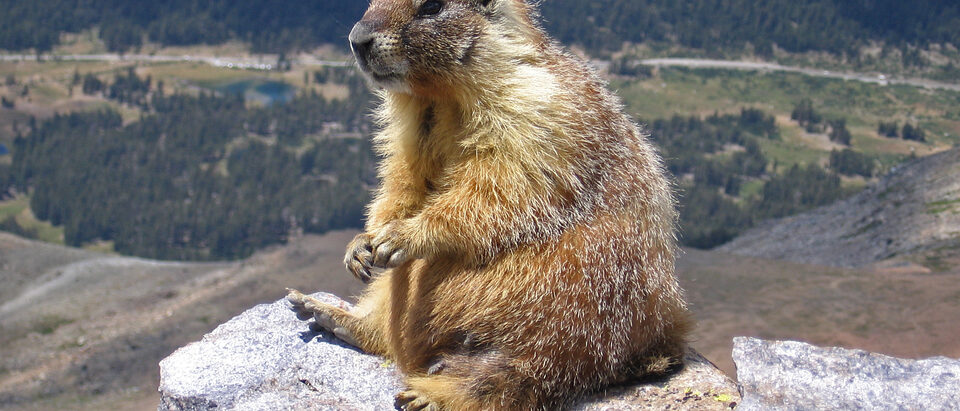
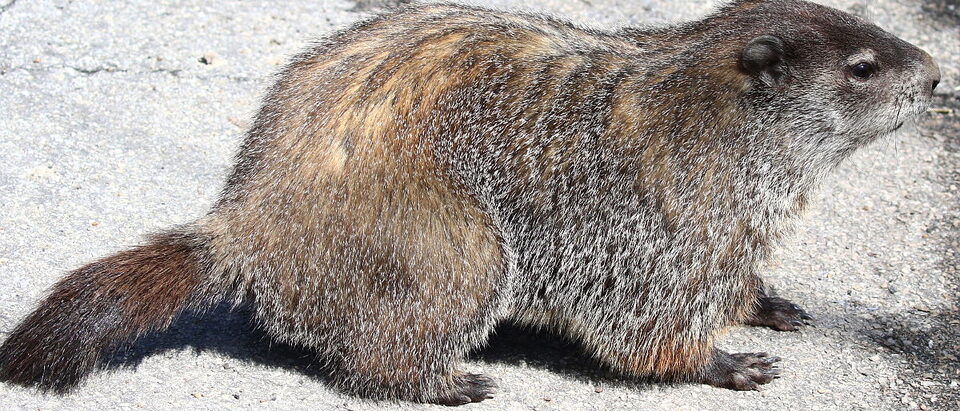
Groundhogs are most active early morning and late afternoon. They eat plants down to the ground, not just nibble the leaves, and that clean-cut damage is a good tell. They’re chunky rodents, anywhere from 5 to 14 pounds, brown, with short legs, and they bolt for a burrow when they spot you.
Step 2: Trap It
A live trap is the most reliable way to actually remove one. Use a trap that’s at least a couple feet long, big enough for a groundhog to fit inside. Place it near the burrow entrance or along a worn path.
Bait it with something sweet and fragrant, like cantaloupe or another ripe fruit, set back behind the trigger plate. Cover the floor of the trap with leaves or a little dirt so it doesn’t feel like walking on metal. Check the trap often, a trapped groundhog without shade or water won’t last long.
Step 3: Fence the Garden
Fencing is what keeps them out after you’ve removed the one you caught. Use galvanized hardware cloth or heavy welded wire. Make the fence at least 4 feet tall, and bury the bottom a foot deep, with the buried edge bent outward in an L shape so a digging groundhog hits mesh and gives up.
This is the step people skip, and it’s the one that actually works long-term. A groundhog that can’t reach your vegetables will move on.
Step 4: Clean Up the Habitat
Make the yard less inviting:
- Remove brush piles, wood stacks, and tall grass where they can hide.
- Keep the lawn mowed and trim around foundations, sheds, and fences.
- Pick up fallen fruit and take pet food in at night.
- Fence the vegetable garden and clean up spilled birdseed.
Step 5: Try Deterrents as a Backup
Scent repellents, motion-activated sprinklers, and ultrasonic devices can help protect a specific area, but they’re support, not a solution. They work best paired with trapping and fencing, and they’re most useful for keeping a small garden safe while you work on the rest.
Step 6: Know When to Call a Pro
If you’ve got several groundhogs, burrows under a structure, or you just don’t want to deal with it, hire a licensed wildlife control operator. They have the right traps, the permits, and they know the local rules. Expect to pay a few hundred dollars for a simple job, more if there’s structural damage, so get a couple of quotes.
Frequently Asked Questions
Catching one usually takes a few days to a week with a well-placed trap. Multiple groundhogs take longer. The fencing and cleanup are a weekend, and that’s the part that keeps them gone.
Not usually. Once they’ve dug a burrow and found food, they stay. Active removal is almost always the answer.
Food, cover, and a place to dig. Gardens, clover, and grass bring them in, and brush piles, sheds, and rocky spots give them somewhere to burrow.
Don’t. It’s illegal in many areas, it’s slow and painful for the animal, and it risks pets, kids, and anything that eats the dead groundhog. Trapping and fencing are the honest way to do it.
Relocated groundhogs often try to find their way back, and most don’t survive in unfamiliar territory anyway. Plus relocation can be illegal or restricted in your state. Check the rules before you move one, and honestly, fencing is the better long-term answer.
The Bottom Line
Trap the groundhog, fence the garden with buried hardware cloth, and clean up the yard so it has nothing to come back for. That’s the whole strategy. Skip the fencing and you’ll be setting traps again by fall.