
Finding a snake in your AC unit is a jolt, but it is usually not an emergency. Snakes crawl in for the warmth and shelter, and they slip through gaps in the housing or around the refrigerant lines. Here is how to get it out without getting bitten, and how to keep it from coming back.
The Short Version
- Cut the power at the breaker before you do anything.
- Use a long-handled tool to coax the snake out. Don’t grab it.
- Seal the gaps around the unit with 1/4 inch hardware cloth afterward.
- Call a pro if the snake is venomous or buried in the electrical compartment.
How to Remove a Snake From an AC Unit
- Turn off the power at the breaker. This stops the unit from kicking on and hurting the snake or the system, and it keeps you safe around the wiring.
- Remove the access panel or side cover. Wear gloves for the sharp edges.
- Use a flashlight to find the snake. Check near the compressor, in the insulation, and behind the control panel.
- Coax it out with a long tool, like a broom handle or rake. Don’t try to grab it.
- Give it an exit and back off. Most snakes will leave on their own once the panel is off and they have a clear route out.
- Call a professional if the snake is venomous or is tucked into the electrical compartment where you can’t safely reach it.
One thing to know: this applies to both window units and the outdoor condenser for a central system. A window unit is easier, since you can see the whole thing. A central unit’s condenser has a fan and compressor area where a snake can hide, so take the panel off slowly and look before you reach in.
Identifying the Snake First
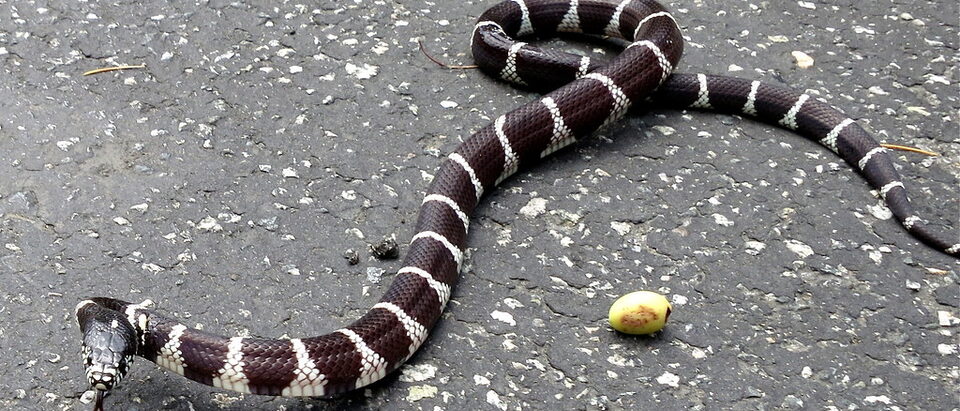
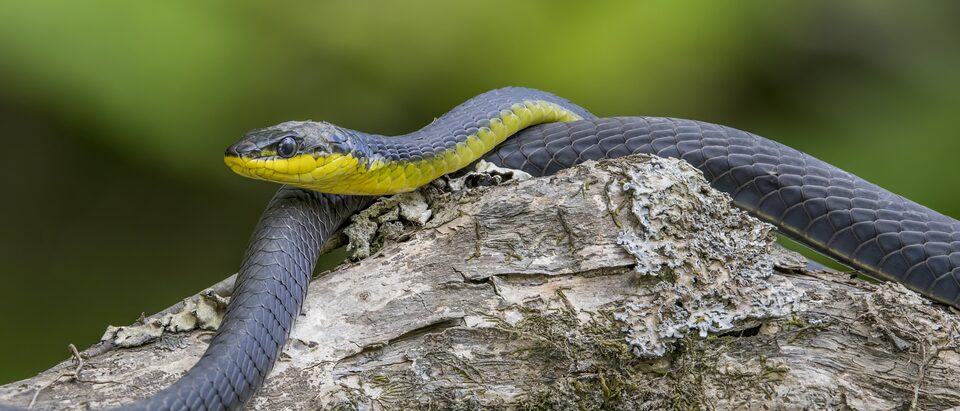
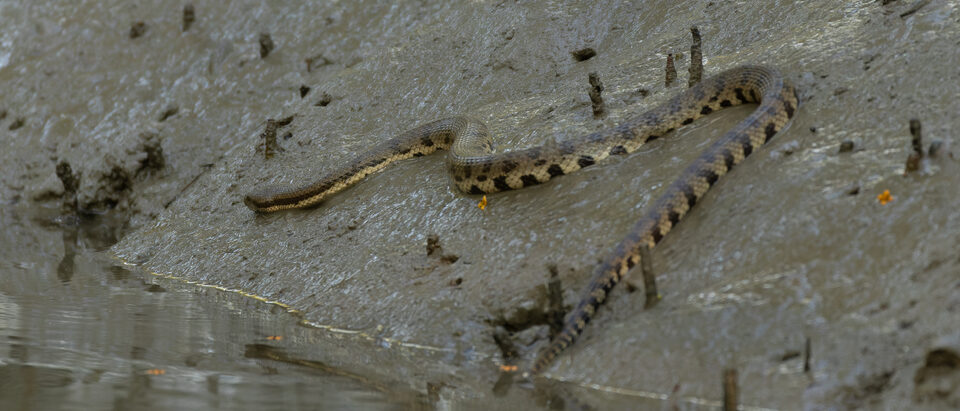
Before you reach for a tool, try to see the snake from a safe distance. If you can’t identify it, treat it as venomous. A snake that is clearly not a rattlesnake or copperhead is one thing, but if there is any doubt, or you live where venomous snakes are common, call a pro. The cost of a wildlife removal call is nothing next to a bite.
Prevention
- Seal gaps around the unit with 1/4 inch galvanized hardware cloth.
- Repair damaged insulation around the refrigerant lines, a common entry route.
- Put a gravel barrier around the base of the unit to discourage snakes and rodents.
- Keep the area clear of debris, tall grass, and hiding spots.
Frequently Asked Questions
Yes. A snake can get caught in the fan or wiring and damage the unit, and it can leave droppings and shed skin inside that block airflow. It is worth removing promptly.
Through gaps in the housing, damaged insulation around the refrigerant lines, or open access panels. Warmth draws them in, and so do rodents nesting in the unit.
Not reliably. If the unit is warm and sheltered, the snake may stay for days. Removing the panel and leaving the area quiet for a couple of hours can encourage it to leave, but don’t count on it.
It depends on the damage. Common repairs are chewed wiring, torn insulation, and cleaning out debris. Your HVAC tech should give you a written estimate before starting work, so get that number before you approve anything.
Bottom Line
Cut the power, take the panel off, and use a long tool to guide the snake out. Then seal the gaps with 1/4 inch hardware cloth so it doesn’t happen again. If the snake is venomous or inside the electrical compartment, call a professional and let them handle it.