groundhog and beaver

Groundhog vs Beaver vs Muskrat: Identification Guide (2026)

Groundhog vs Beaver vs Muskrat: Identification Guide (2026)

Groundhogs, beavers, and muskrats are three of the most commonly confused rodents in North America. They all live in or near water, they all build dens or lodges, and they all cause damage to property. But they are very different animals with different behaviors, habitats, and management requirements. Identifying which animal you are dealing with is the first step in effective control.

This guide provides clear distinctions between groundhog (Marmota monax)s, beavers, and muskrats. We cover physical characteristics, habitat preferences, behavior patterns, signs of activity, and the types of damage each animal causes. By the end of this guide, you will be able to identify which rodent is on your property and take the appropriate action.

Key Takeaways

  • Size differences: Beavers are largest (35 to 65 pounds), groundhog (Marmota monax)s are medium (5 to 15 pounds), muskrats are smallest (2 to 4 pounds).
  • Tail shape: Beavers have flat, paddle-shaped tails. Muskrats have thin, scaled tails. Groundhogs have bushy, furry tails.
  • Habitat: Beavers and muskrats are aquatic. Groundhogs are terrestrial but may burrow near water.
  • Damage signs: Beavers chew trees and build dams. Groundhogs dig burrows. Muskrats build push-ups and eat aquatic plants.
  • Management: Each species requires different removal methods and legal considerations.

Physical Differences: Groundhog vs Beaver vs Muskrat

Size and Weight

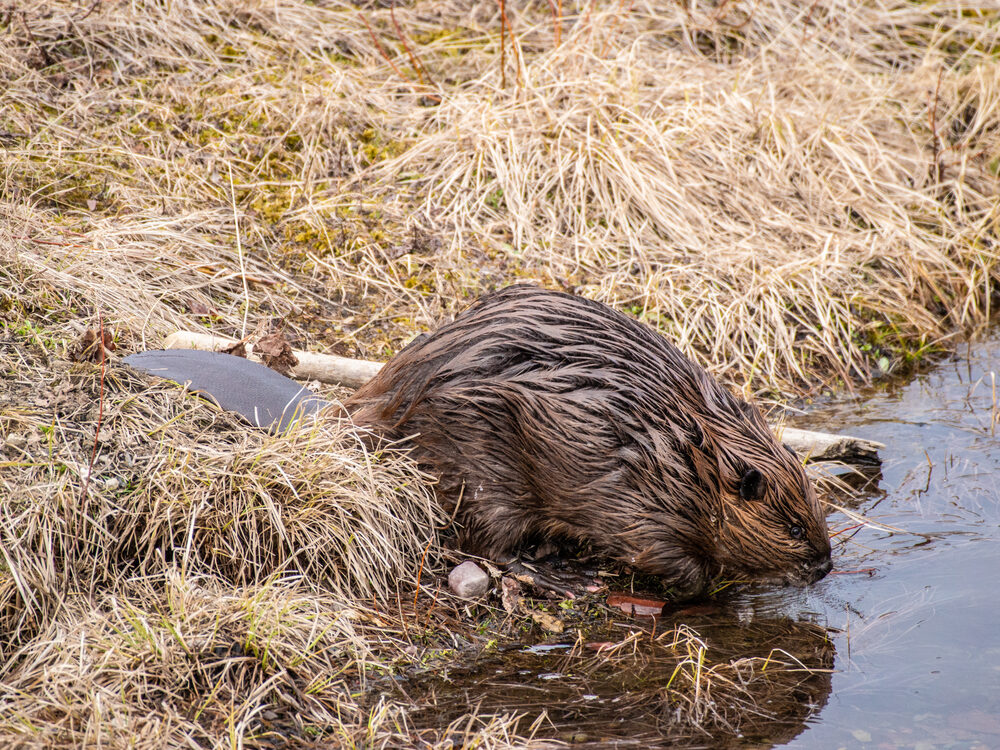
Beavers are the largest of the three. An adult beaver (Castor canadensis) typically weighs 35 to 65 pounds, though some individuals can reach 80 pounds. They are the largest rodent in North America. Beavers measure 3 to 4 feet in length, including the tail. Their size alone is usually enough to distinguish them from groundhog (Marmota monax)s and muskrats.

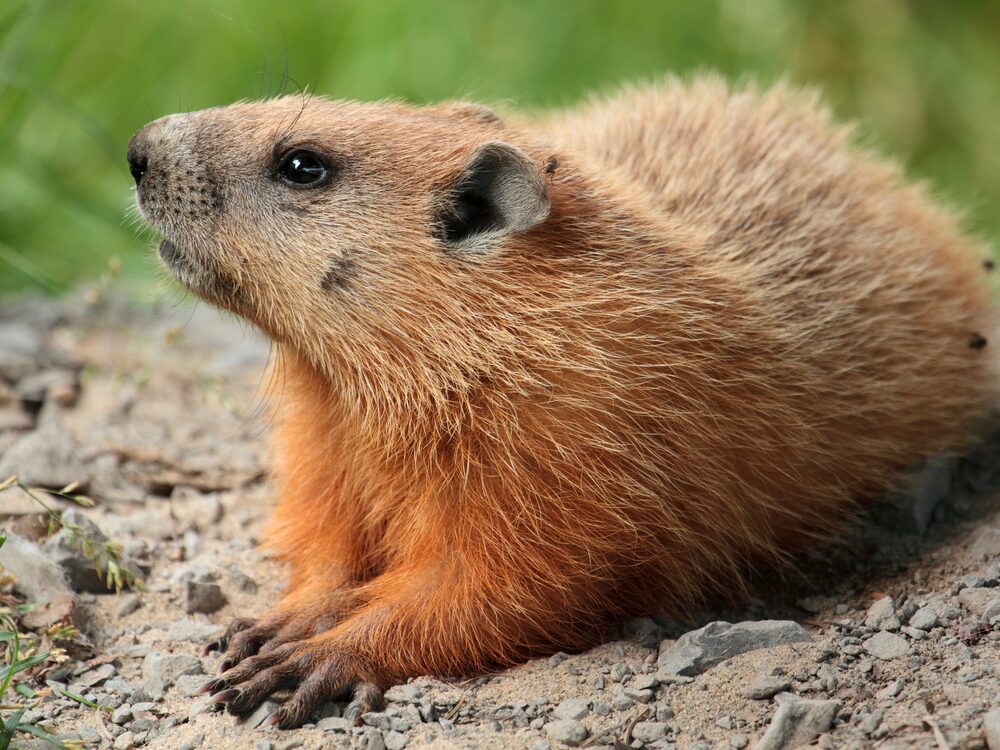
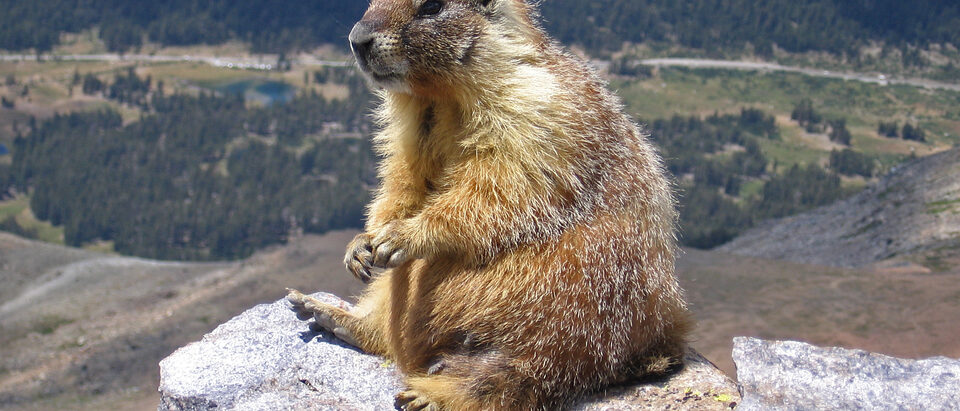
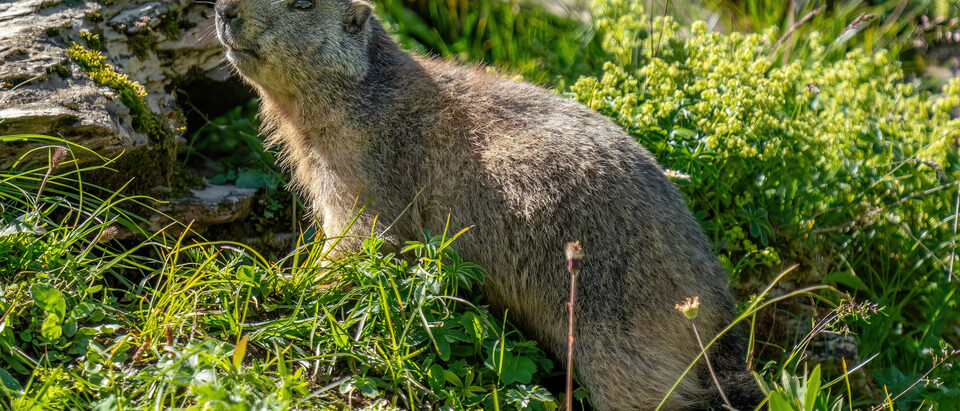
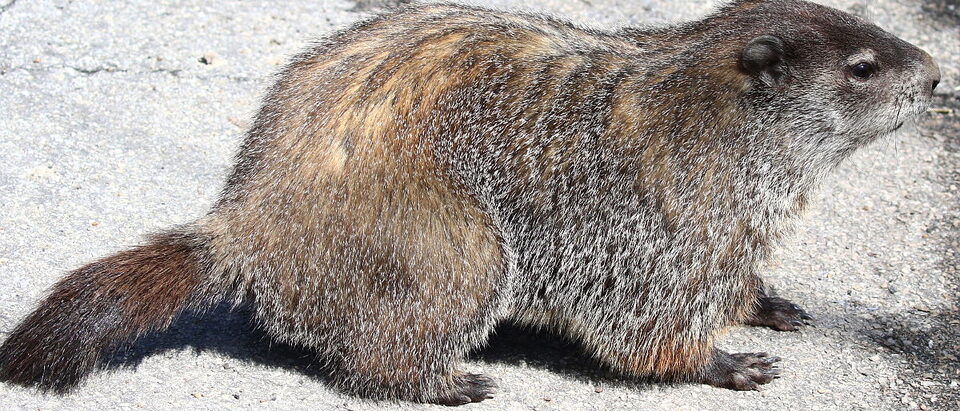
Groundhogs (Marmota monax) are medium-sized. They weigh 5 to 15 pounds, with males typically larger than females. Groundhogs measure 16 to 26 inches in length, including the tail. They are stocky, with short legs and a broad head. Their size is comparable to a small to medium-sized dog.

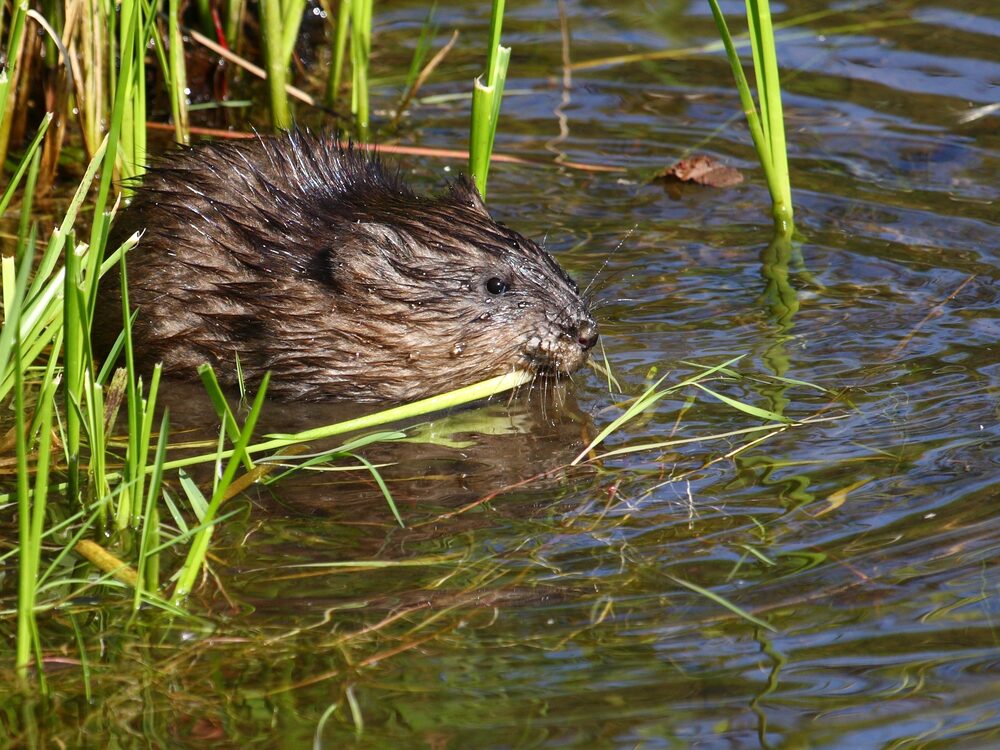
Muskrats (Ondatra zibethicus) are the smallest of the three. They weigh 2 to 4 pounds and measure 16 to 25 inches in length, including the tail. Muskrats are slender and more streamlined than groundhog (Marmota monax)s or beavers. They are often mistaken for large rats, but their size and aquatic habitat make them distinct.

Tail Shape and Fur

The tail is the most reliable way to tell these three animals apart. Beavers have a broad, flat, paddle-shaped tail that is covered in scales, not fur. The tail is 10 to 12 inches long and 4 to 6 inches wide. Beavers use their tails as rudders when swimming and as props when sitting on land. They also slap their tails on the water to warn of danger.

Muskrats have a thin, flattened tail that is covered in small scales. The tail is 8 to 11 inches long and is nearly hairless. Muskrats use their tails as propellers when swimming. The tail is keeled, meaning it is flattened vertically rather than horizontally. This is different from the beaver’s horizontally flattened tail.

Groundhogs have a bushy, furry tail that is 4 to 7 inches long. The tail is covered in the same coarse fur as the rest of the body. Groundhogs do not use their tails for swimming. The tail is relatively short compared to the body. A groundhog (Marmota monax)’s tail is the most obvious difference from the hairless, scaled tails of beavers and muskrats.

Habitat and Behavior Differences

Groundhog Habitat and Behavior

Groundhogs are primarily terrestrial. They live in burrows dug in well-drained soil, often in fields, meadows, fence lines, and along roadsides. They are most active during the day, especially in the early morning and late afternoon. Groundhogs are true hibernators, entering deep dormancy from October through February. They are solitary animals that defend their territory.

Groundhogs are herbivores. They feed on grasses, clover, alfalfa, garden vegetables, and wild plants. They do not chew trees or build dams. Their primary impact on property is through burrowing, which can damage foundations, undermine structures, and create hazards for livestock and people. Groundhogs also eat garden crops, which makes them a nuisance for gardeners.

Beaver Habitat and Behavior

Beavers are fully aquatic. They live in ponds, lakes, rivers, and streams. Beavers are famous for building dams, which create the deep water habitats they need for protection. They also build lodges made of sticks, mud, and rocks. Beaver lodges have underwater entrances that provide protection from predators. Beavers are active year-round, primarily at night and during twilight hours.

Beavers are herbivores that feed on tree bark, leaves, twigs, and aquatic plants. They are known for felling trees, especially aspens, willows, birches, and maples. Beaver damage is characterized by chewed tree stumps with a distinctive hourglass shape. Beavers can cause flooding by damming streams and blocking culverts. Their dams can create significant water management challenges.

Muskrat Habitat and Behavior

Muskrats are semi-aquatic. They live in marshes, swamps, ponds, and along slow-moving streams. Muskrats build lodges made of cattails, sedges, and other aquatic vegetation. They also build push-ups, which are small feeding platforms made of vegetation on the ice surface in winter. Muskrats are active year-round, primarily at night and during twilight hours.

Muskrats are herbivores that feed on cattails, bulrushes, water lilies, and other aquatic plants. They do not fell trees or build dams. Muskrat damage includes burrowing into banks, levees, and dams, which can cause erosion and structural failure. They also eat garden vegetables when they venture onto land. Muskrats can damage pond liners and irrigation systems.

Pro Tip: The easiest way to tell these animals apart is by their tail. If you see a flat, paddle-shaped tail, it is a beaver. If you see a thin, scaled tail, it is a muskrat. If you see a bushy, furry tail, it is a groundhog (Marmota monax). The tail is visible even when the animal is swimming.
<!– wp:heading –>

Signs of Activity and Damage Comparison

Groundhog Signs

Groundhog signs include burrow entrances with fan-shaped soil mounds, clipped vegetation near the burrow, and worn paths between the burrow and feeding areas. Groundhog droppings are oval, dark brown, and found in small piles. Groundhogs do not leave tooth marks on trees or build structures in water. Their damage is focused on the ground and below the surface.

Beaver Signs

Beaver signs are unmistakable. Look for chewed tree stumps with a pointed, hourglass shape. Beavers fell trees 2 to 6 inches in diameter, though they can take down larger trees. Beaver dams are visible as structures of sticks, mud, and rocks across streams. Beaver lodges are dome-shaped structures of sticks in ponds. Beaver tracks show five toes with webbing between the hind toes.

Muskrat Signs

Muskrat signs include small lodges of cattails and aquatic vegetation in marshes and ponds. Push-ups are visible on the ice surface in winter. Muskrat burrows are tunnels in banks with underwater entrances. Muskrat droppings are small, cylindrical, and found on logs, rocks, or feeding platforms. Muskrats leave small piles of clipped vegetation on feeding platforms.

Management Approaches for Each Species

Groundhog management focuses on trapping, exclusion, and habitat modification. Live traps baited with fresh vegetables are effective. Groundhog proof fencing with an underground barrier prevents burrowing. Habitat modification includes removing brush piles, tall grass, and other cover that groundhog (Marmota monax)s prefer.

Beaver management is more complex and often requires professional assistance. Beaver removal may involve trapping, dam removal, and flow control devices. Beaver relocation is rarely effective and is restricted in many states. Beaver management often requires permits from state wildlife agencies. Professional wildlife control operators should handle beaver removal.

Muskrat management includes trapping, bank protection, and habitat modification. Live traps and Conibear traps are used for muskrat removal. Bank protection using wire mesh or riprap prevents muskrat burrowing. Reducing aquatic vegetation can make the habitat less attractive to muskrats. Muskrat removal is often regulated by state wildlife agencies.

Frequently Asked Questions

What is the difference between a groundhog (Marmota monax) and a muskrat?

The most obvious difference is the tail. Groundhogs have bushy, furry tails while muskrats have thin, scaled tails. Muskrats are also smaller (2 to 4 pounds) and live in aquatic habitats. They build lodges of cattails and burrow into banks. Groundhogs are medium-sized (5 to 15 pounds), live in burrows in fields and meadows, and hibernate in winter.

Can a groundhog (Marmota monax) and a beaver be the same animal?

No. Groundhogs and beavers are completely different species. Beavers are much larger (35 to 65 pounds), have flat paddle-shaped tails, live in water, and build dams and lodges. Groundhogs are medium-sized, have bushy tails, live in burrows on land, and hibernate. They are not related and cannot be confused once you know the key differences.

Do muskrats build dams like beavers?

No. Muskrats do not build dams. They build lodges made of cattails and other aquatic vegetation, but these lodges are not dams. Beavers are the only one of these three species that builds dams. Muskrat damage is primarily from burrowing into banks and levees, which can cause erosion and structural damage.

Which animal is causing damage to my pond?

It depends on the type of damage. If you see chewed trees with pointed stumps and a dam across the outflow, you have beavers. If you see burrows in the bank with underwater entrances and small lodges of cattails, you have muskrats. If you see burrows in the ground near the pond, not in the bank itself, you have groundhog (Marmota monax)s.

Related Resources

Why Trust Us

WildAnimalsCentral provides accurate, research-based wildlife identification and control information. Our content is developed with input from wildlife biologists, mammalogists, and licensed wildlife control professionals. We reference peer-reviewed studies and university extension resources. Every article is reviewed for accuracy and practical value.