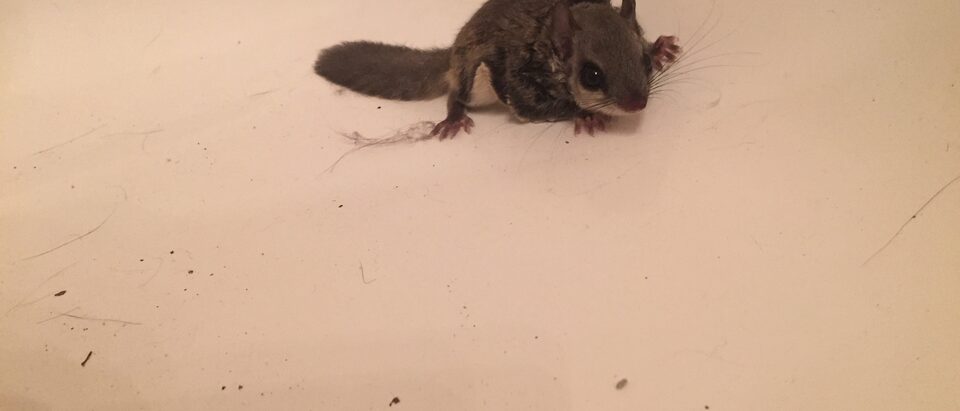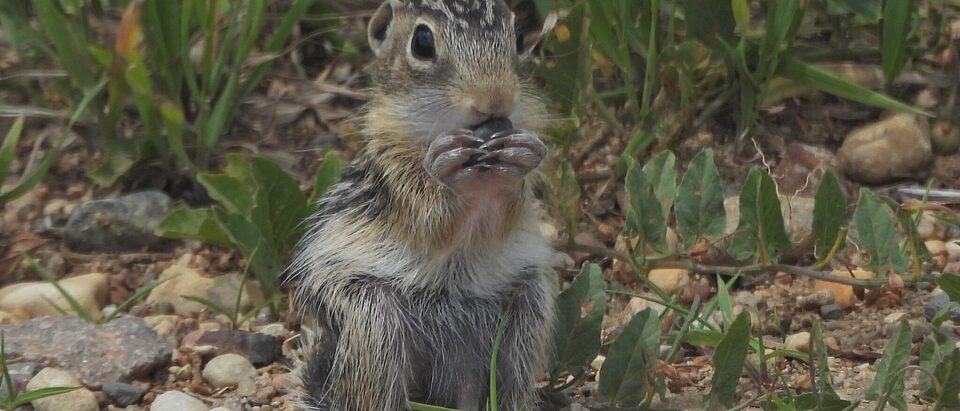

Flying squirrels in the walls are removed by trapping or one-way doors, then sealing the exterior gap they entered through. They are nocturnal and live in groups, so the job is removal plus full exclusion. Here is what to do.
- Flying squirrels live in groups, so expect several.
- Find the exterior gap they entered through.
- Trap or one-way door removes them.
- Avoid poison, which can kill a squirrel in the wall.
Confirm It Is Flying Squirrels
Flying squirrels are active at night, so you hear light scurrying in the walls after dark. They are smaller and lighter than gray squirrels, and they enter through small gaps.
Find the Entry Point
Inspect the roofline, soffits, vents, and the exterior wall for gaps. Flying squirrels squeeze through openings as small as a quarter, so check carefully.
Remove Them
One-way door. A one-way door over the entry point lets them leave but not return, the least stressful method.
Trapping. Live traps baited with nuts or peanut butter near the entry point work, but expect several squirrels.
Avoid poison. A poisoned flying squirrel can die in the wall and create an odor problem.
Seal Every Gap
Once they are out, seal every gap in the roofline, soffits, and exterior wall with steel mesh or hardware cloth. Sealing is what ends the problem.
Frequently Asked Questions
Use a one-way door or trap them, then seal every exterior gap. They live in groups, so expect several. For more, see Flying Squirrel Removal Cost: What to Expect.
Light scurrying and scratching at night, since flying squirrels are nocturnal.
They can chew wiring and leave droppings. The main risk is damage and odor, not aggression.
Through gaps in the roofline, soffits, and exterior walls, sometimes as small as a quarter.