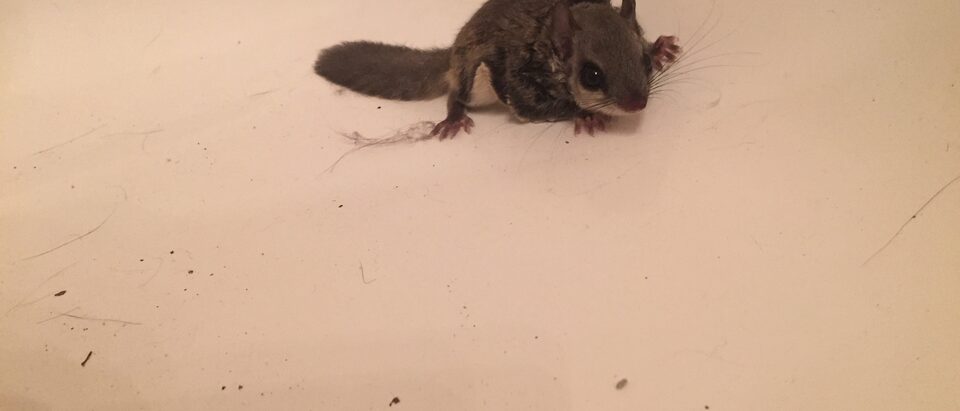

Flying squirrel removal costs $300 to $1,500, and it often runs higher than gray squirrel removal. Flying squirrels are nocturnal, live in colonies, and use small entry points that are easy to miss, so the job takes more visits and more sealing.
- Flying squirrel removal runs $300 to $1,500, with attic jobs at the higher end.
- They live in colonies, so you are rarely dealing with a single animal.
- They are nocturnal, which means the inspection and exclusion take more effort to get right.
- Sealing every entry point is the step that prevents a return.
Why Flying Squirrels Cost More
Flying squirrels are different from gray squirrels in ways that raise the price. They are nocturnal, so technicians often confirm activity after dark. They live in colonies rather than alone, so multiple animals are usually involved. And they squeeze through very small gaps, so finding and sealing every entry point takes longer.
The result is more visits and more sealing work than a typical gray squirrel job, which is why flying squirrel removal lands at the higher end of the squirrel cost range.
Typical Cost Breakdown
| Service | Typical Cost |
|---|---|
| Inspection | $100 to $250 |
| Trapping and removal | $300 to $600 |
| Attic removal with sealing | $500 to $1,500 |
| Exclusion doors | $225 to $400 each |
| Attic cleanup | $300 to $1,000 |
An exterior trapping job is the cheapest scenario, while a colony in the attic with sealing and cleanup is the most expensive.
What Drives the Price
Colony size. Flying squirrels live in groups, so removal means dealing with several animals, not one.
Entry points. Flying squirrels use small, hard-to-find gaps, so sealing every one takes more time than a gray squirrel job.
Access. Attic and roofline work costs more than ground-level trapping because of ladders and safety equipment.
Ask whether the quote includes sealing and follow-up visits. Flying squirrels are nocturnal and colony-living, so a single trapping visit rarely ends the problem. Get an itemized estimate that separates inspection, removal, exclusion, and cleanup.
Flying Squirrels vs. Gray Squirrels
Flying squirrels are smaller and nocturnal, and they glide rather than climb. Gray squirrels are larger, active during the day, and more commonly found in attics. The removal approach is similar, but flying squirrels live in colonies and use smaller entry points, which adds labor.
When to Call a Professional
Call a pro for any flying squirrel job. The nocturnal habits, colony behavior, and small entry points make this a poor DIY candidate. A professional can confirm the activity, remove the colony, and seal every gap so they cannot return.
Frequently Asked Questions
$300 to $1,500, with attic jobs at the higher end. The colony behavior and small entry points make flying squirrel removal more expensive than gray squirrel removal. Prefer a range for your own situation? My cost calculator does the math from the same figures.
No. Flying squirrels are smaller, nocturnal, and live in colonies, and they glide rather than climb. The removal approach is similar but more labor-intensive.
Yes, attics are a common nesting site for flying squirrels, especially in colder months. They enter through small gaps in the roofline, soffits, and vents.
It is not recommended. Their nocturnal habits and small entry points make them hard to find and seal, and a colony is more than most homeowners can handle. Call a professional.
Seal every gap in the roofline, soffits, and vents with hardware cloth or metal flashing, and trim tree branches back from the roof. The sealing is the step that actually ends the problem.