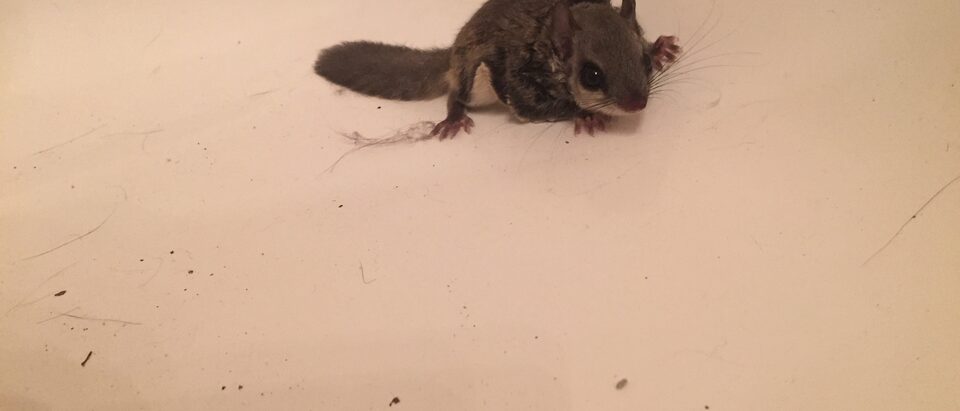

Flying squirrel pest control is trapping or exclusion, since flying squirrels live in groups and enter through small gaps. A professional locates every entry point, removes the squirrels, and seals the roofline. Here is how it works.
- Flying squirrels live in groups, so expect several, not one.
- Find and seal every entry point in the roofline.
- Trapping or one-way doors remove them without poison.
- Exclusion is what ends the problem.
How Flying Squirrels Get In
Flying squirrels squeeze through gaps in the roofline, soffits, and vents, sometimes as small as a quarter. They are nocturnal, so you hear them at night in the attic and walls.
The Removal Process
Inspection. A professional inspects the roofline for every gap, not just the obvious one, since flying squirrels use multiple entry points.
Removal. Trapping or a one-way door removes the squirrels. Poison is avoided, since a poisoned squirrel can die in the walls.
Exclusion. Sealing every gap with steel mesh or hardware cloth is what ends the problem.
Why You Need to Seal Everything
Flying squirrels live in groups, so missing one gap means a new group moves in behind the removed one. Sealing every entry point is the durable fix.
Frequently Asked Questions
Trap them or use a one-way door, then seal every entry point. Flying squirrels live in groups, so expect several.
Costs vary by location and the number of entry points. Check with local services for a quote.
Flying squirrels are not typically protected, but rules vary by state. Check with your state wildlife agency.
Through gaps in the roofline, soffits, and vents, sometimes as small as a quarter. Sealing those gaps is the fix.