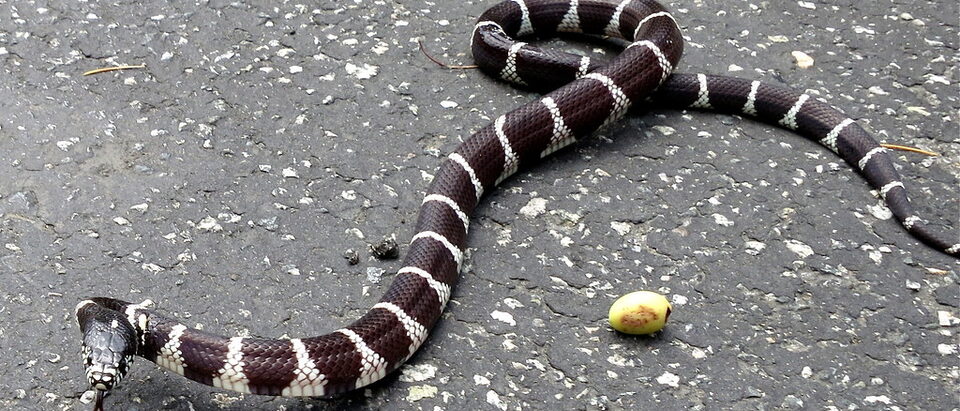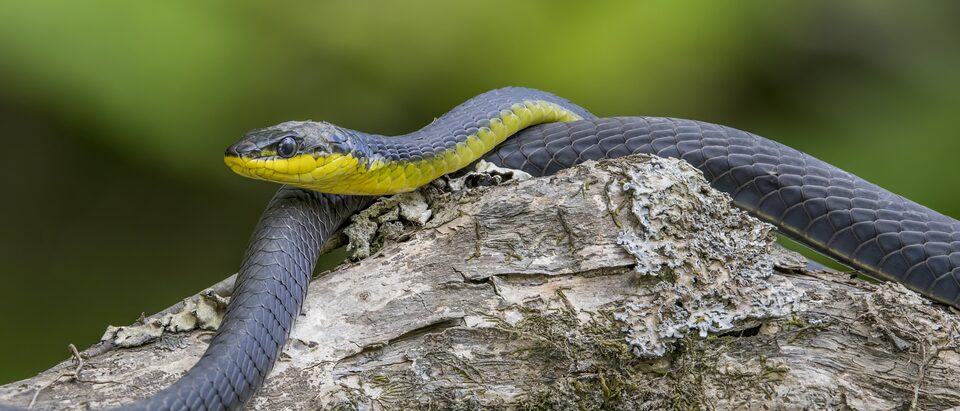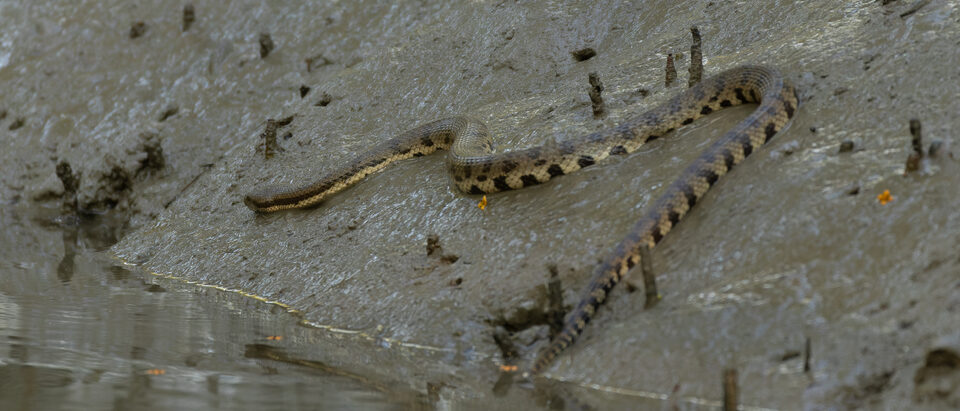

If a snake gets into your house, it is not going to curl up in the middle of the floor and wait for you. It is going to find the darkest, quietest, most undisturbed spot it can and stay there until it feels safe. When I go looking for one, I check three places first, and those three places are almost always where it ends up being.
Before I get into the spots, know that most snakes in a house are harmless garter snakes or rat snakes chasing mice. But I never assume a snake is harmless just because it looks small. If I can’t identify it, I treat it as venomous and call someone who knows what they are doing.
- Snakes hide behind appliances, in crawlspaces and basements, and in attic insulation.
- They are drawn by warmth, darkness, moisture, and, most of all, rodents to eat.
- Shed skin, droppings with white tips, and slither tracks in dust are the telltale signs.
- If you find one, don’t corner it. Close the room off and call a pro.
1. Behind appliances
Snakes love the warmth and darkness behind big appliances, and I almost never look back there.
- Behind the fridge, where the compressor puts out steady heat.
- Behind stoves and ovens.
- Behind washers and dryers.
- Behind water heaters in basements and utility rooms.
- Inside cabinets under sinks, especially in kitchens and bathrooms.
These spots are dark, rarely disturbed, and usually have a small gap in the wall or floor nearby. That gap is often how the snake got in and where it retreats when it hears you coming.
2. Crawlspaces and basements
An unfinished basement or crawlspace is about as close to a snake’s natural habitat as your house gets. They are cool, damp, and full of hiding places.
- Cool, moist air snakes like.
- Rodents, which are the main thing a snake is hunting.
- Dark, quiet corners under insulation, pipes, and stored boxes.
- Entry points like foundation cracks, vents, and gaps around pipes.
If you have mice in the crawlspace, you have a reason for snakes to be there too. Fix the rodents and you remove the main draw.
3. Attic insulation
Snakes get into attics through gaps in the roofline, damaged soffits, or an uncapped chimney. Once inside, they burrow into the insulation and stay warm and quiet.
Signs to look for:
- Shed skin in the insulation.
- Droppings with a white tip, which is the uric acid part.
- Slither tracks in dusty areas.
- Noises overhead that you might write off as mice.
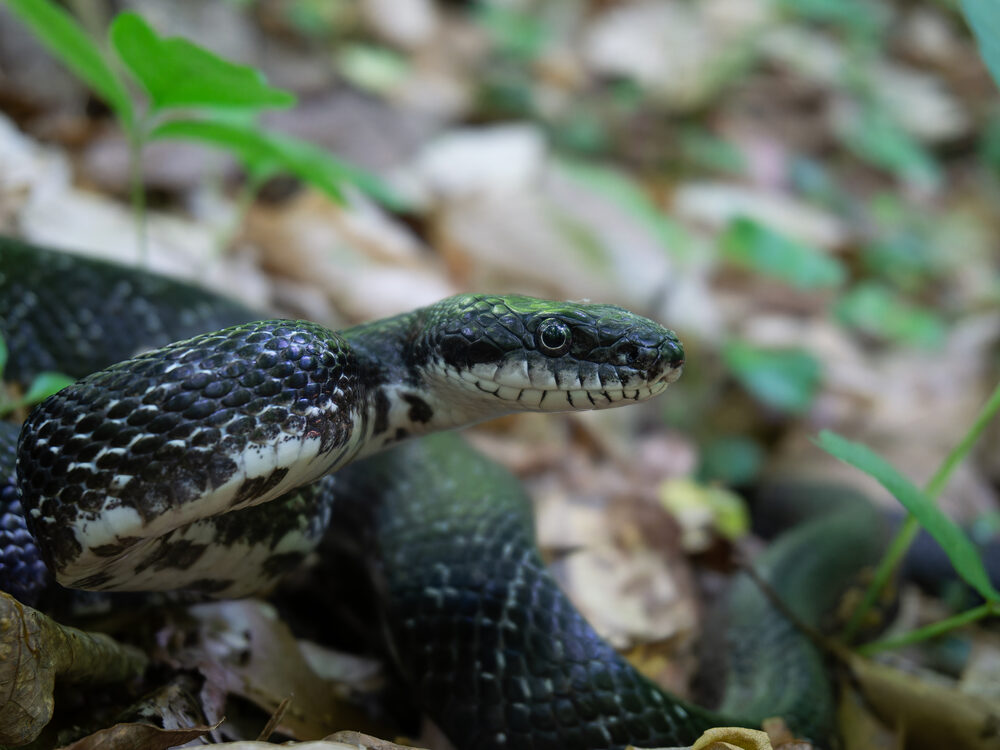
Eastern ratsnake
Where else to look
Those three spots cover most indoor snakes, but a snake will also tuck into wall voids, behind baseboards, under the house, and into sheds and wood piles when it is cold or wet outside. When rain drives snakes out of low ground, they head for the driest, warmest cover they can find, and that is often the space under your house or deck.
The same rules apply everywhere: look for shed skin and droppings, and don’t stick your hand anywhere you can’t see.
How to keep snakes out
- Seal gaps in the foundation, walls, and around pipes with quarter-inch hardware cloth or caulk.
- Put door sweeps on exterior doors.
- Cover vents and chimneys with quarter-inch hardware cloth.
- Get rodents under control, because rodents are the reason snakes come in.
- Clear clutter from basements, crawlspaces, garages, and the yard.
Frequently Asked Questions
Food, shelter, and moisture. Snakes follow rodents, so a mouse problem is a standing invitation. Seal the entry points and control the rodents, and the snakes lose their reason to be there.
Look for shed skin, droppings with white tips, and slither tracks in dust. Listen for rustling in walls and ceilings. Check behind appliances and in cluttered corners. If you find any of those signs, don’t go hunting for it by hand.
Stay calm and don’t corner it. Close the door to the room if you can, and put a towel under the gap. Then call a wildlife control operator or your local animal control. If you are certain it is non-venomous and want to move it yourself, a bucket and a broom works, but never grab it with your hands.
Most are not. The ones you find indoors are usually harmless rat snakes or garter snakes. But venomous species like copperheads and rattlesnakes do end up in houses in some regions, so never assume. Let a pro identify and remove it.
Snakes are most likely to come indoors in spring and fall, and during wet or cold spells, when they are looking for warm, dry shelter. That is a good time to check your foundation and vents before a snake finds them first.
The Bottom Line
A snake in your house is hiding in one of three places: behind an appliance, in the crawlspace or basement, or in the attic insulation. It came in for food and shelter, and the best way to get rid of it is to remove both.
Seal the gaps, clear the clutter, and get the rodents under control. If you find a snake, don’t corner it and don’t grab it. Close the room and call someone who does this for a living.