
No. Mothballs do not get rid of possums, and using them that way is illegal and dangerous.
The smell might make a possum pause for a day or two, but it doesn’t last, the animal gets used to it fast, and you’ve now scattered a toxic pesticide around your yard for nothing. Here’s why mothballs are the wrong tool, and what actually works instead.
Why mothballs fail
Mothballs are a pesticide designed to kill moths in a sealed container. The fumes build up in that closed space and do their job. That’s the whole mechanism, and it only works in an enclosed space.
Toss them outside and the whole idea falls apart:
- The fumes blow away. Rain, wind, and temperature changes break up the vapors within hours.
- Possums get used to it. Within a few days they learn the smell is harmless and come right back.
- There’s no barrier. A possum looking for food or shelter will put up with a bad smell to get it.
You might see some sketchy advice telling you to “toss a few mothballs in the roof.” Don’t. That advice is aimed at a different animal on a different continent, and even then it’s bad practice. The mothballs that are supposed to repel possums are the same ones that are toxic to you, your kids, and your pets.
The health and legal problems
Mothballs contain naphthalene or a related chemical, and neither one belongs in your yard:
- They’re toxic to breathe. The fumes can cause headaches, nausea, and dizziness.
- They poison pets. A dog or cat that eats one can end up with vomiting, seizures, or liver damage.
- They contaminate soil and water. The chemicals leach in and hang around.
- It’s illegal. Mothballs are labeled for use in sealed containers only. Using them outdoors violates the pesticide label, which is a federal rule, and can get you fined.
What actually works
If a possum is actually causing you trouble, deal with the reason it’s there:
- Secure your trash. Locking lids remove the food source.
- Bring pet food in at night. This is a huge one nobody thinks about.
- Seal entry points with half-inch hardware cloth under decks and sheds.
- Use motion-activated lights or sprinklers to make the area less comfortable.
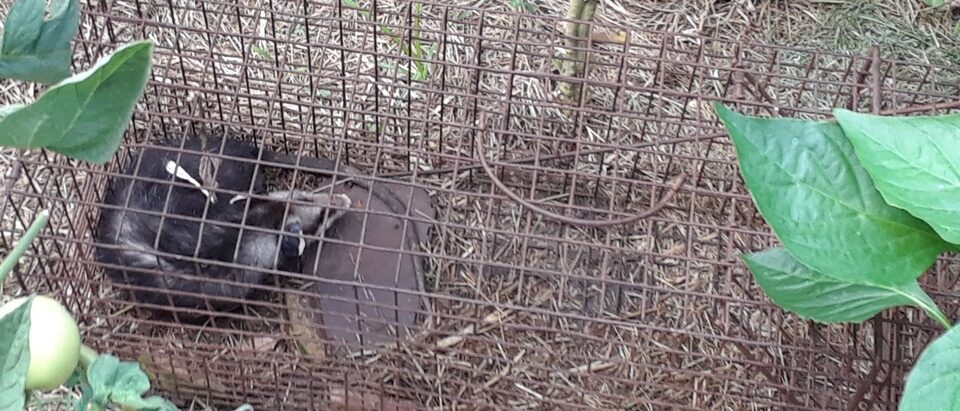
- Live trap and relocate only if you have to, and follow your local rules on relocation.
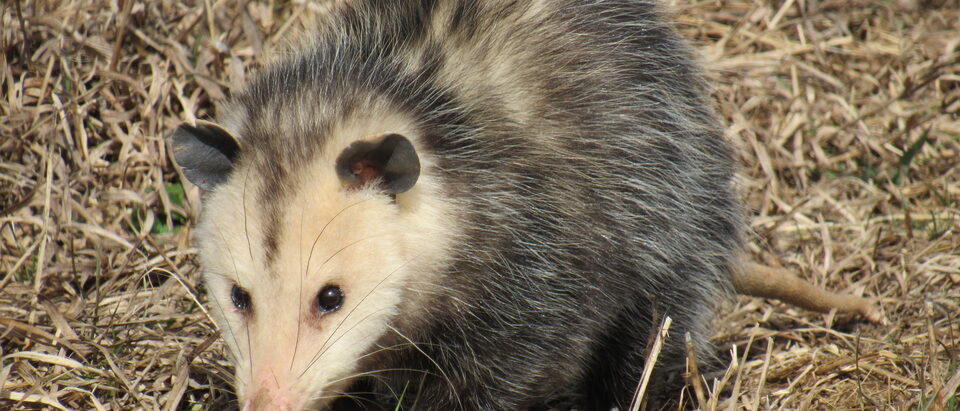
Before you do any of that, ask yourself whether you even need to. Possums eat insects, snails, and carrion. They’re doing you a favor most of the time, and they rarely stick around without a food source to keep them.
Frequently Asked Questions
No, not reliably. The smell fades and the possum stops caring. They also poison your soil and plants. Use fencing, motion sprinklers, or hot-pepper sprays instead.
They’re sensitive to strong smells like ammonia and garlic, but scent deterrents only work for a little while and need constant reapplication. A physical barrier beats a smell every time.
Remove the food source and seal the entry points. If a possum is already inside a structure, a live trap works, but check your local rules on trapping and relocation first.
Rarely. They’ll hiss and bare their teeth as a bluff, but they’d rather leave than fight. The bigger concern is disease from droppings or urine, so keep pets vaccinated and don’t let them mess with a possum.
No. They’re labeled for enclosed spaces only. Using them outdoors is a pesticide label violation and can carry a fine.