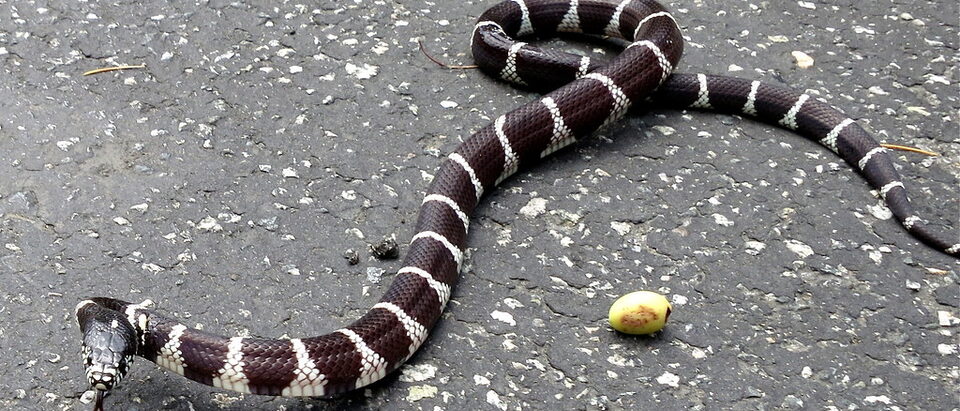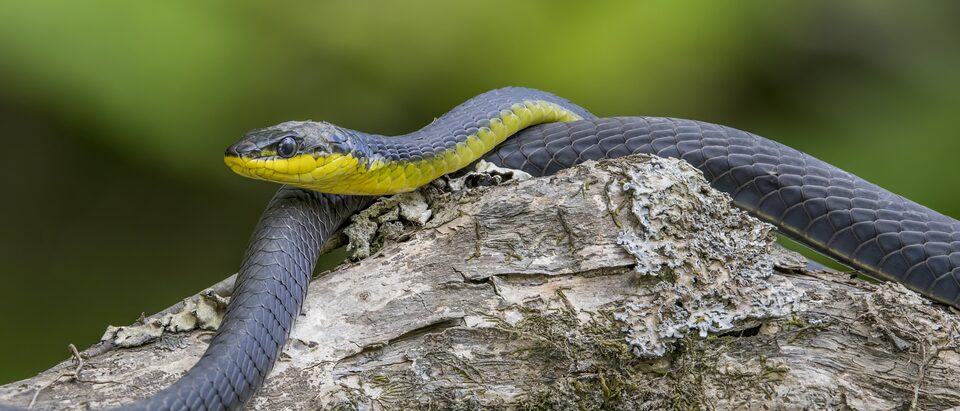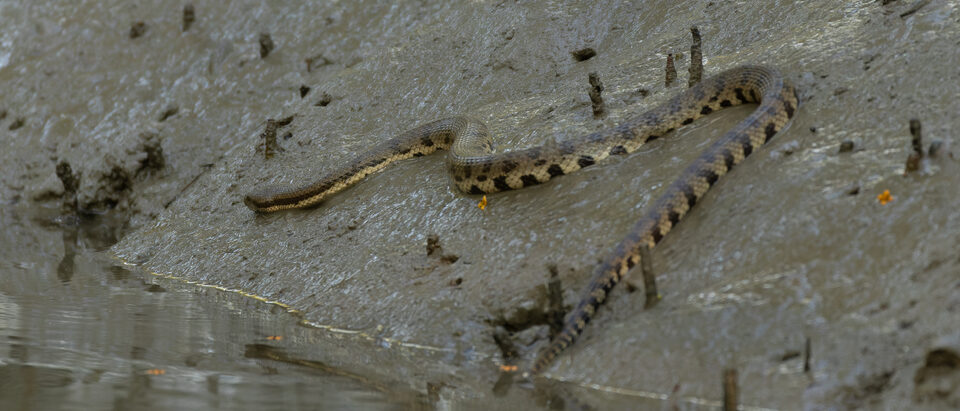

Most of the “garden snakes” people spot are garter snakes, and they’re good neighbors. They eat slugs, insects, and worms, and they won’t hurt you or your pets. Here’s how to tell a garter snake from the other snakes you might see in your yard, and how to know when one is worth a second look.
How to Spot a Garter Snake
Garter snakes are the classic garden snake, and they’re easy to recognize once you know what to look for.
- Three light stripes running the length of the body over a darker background.
- A slender body, usually somewhere around 1.5 to 2 feet long.
- A rounded head that isn’t wider than the neck, a good sign it’s harmless.
- Rough, keeled scales that give it a slightly textured look.
- Color that varies from greenish-brown to black, with yellow or white stripes.
- A habit of showing up near gardens, fields, and water across much of North America.
Other Snakes You Might Find in the Garden
Not everything in your garden is a garter snake. Here’s a quick rundown of the other common ones.
| Snake | What It Looks Like | Size | Behavior |
|---|---|---|---|
| Garter snake | Striped, slender | About 1.5 to 2 feet | Docile, may musk if handled |
| Rat snake | Black or gray, larger | 3 to 6 feet | Good climber, not aggressive |
| Black racer | Solid black, fast | 3 to 5 feet | Active, bolts when it sees you |
| Smooth green snake | Bright green, small | 1 to 1.5 feet | Docile, rarely bites |
| Brown snake | Brown with a lighter stripe | Under a foot | Very docile, tiny |
| Ring-necked snake | Gray-brown with a yellow neck ring | Under a foot | Secretive, rarely seen |
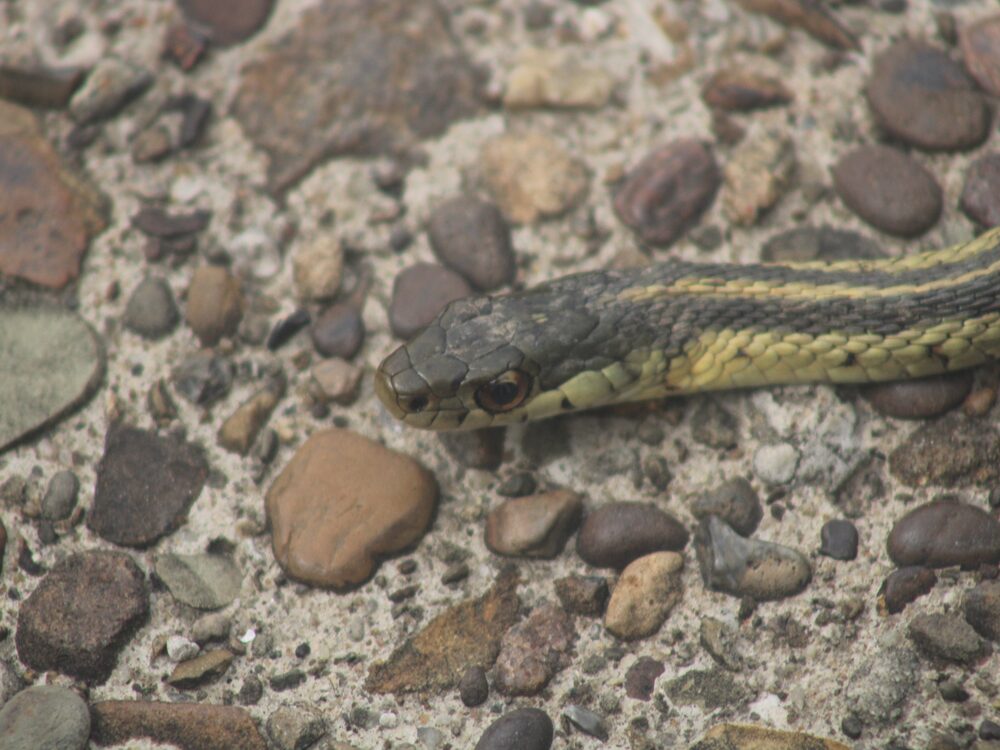
Eastern garter snake
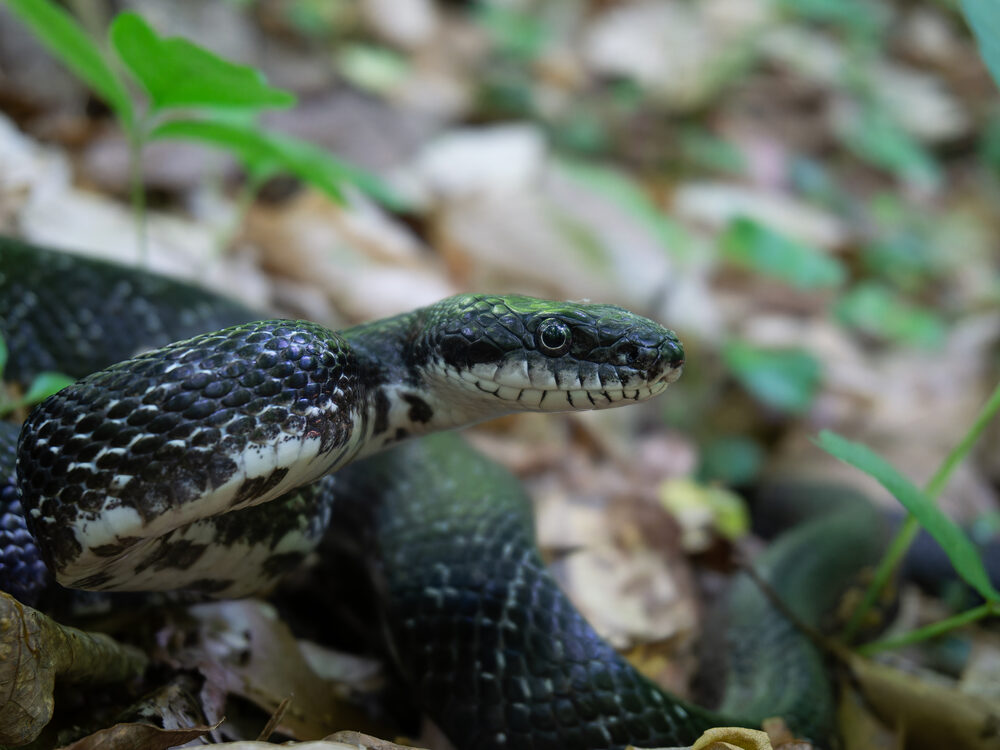
Eastern ratsnake
How to Tell a Harmless Snake From a Venomous One
The short version: most garden snakes have a rounded head, round pupils, and a slender build. Venomous pit vipers have vertical slit pupils and a heat-sensing pit between the eye and the nostril. Head shape is the one sign you should not trust: harmless snakes flatten their heads when they feel threatened and end up looking triangular.
That’s a rough guide, not a guarantee, and it doesn’t hold everywhere in the world. If you can’t identify a snake with confidence, leave it alone and give it space. No snake is worth a guess.
Why You Want These Snakes Around
- They eat the pests you hate. Slugs, snails, insects, and worms are the main menu for garter snakes.
- The bigger ones take mice. Rat snakes and racers go after mice and voles.
- They’re harmless. The snakes listed here aren’t a threat to you or your pets.
- They feed the food chain. Hawks, owls, and other wildlife eat them, so they’re doing their part.
For a closer look at telling the dangerous ones apart, read my venomous vs non-venomous guide.
Frequently Asked Questions
No. Garter snakes, rat snakes, and green snakes are non-venomous and harmless to people and pets. A garter snake might release a musky smell if you handle it, but it can’t seriously hurt you.
Garden snakes have round pupils and a slender body. Venomous pit vipers have vertical slit pupils and a heat-sensing pit between the eye and the nostril. Do not go by head shape: a harmless snake can flatten its head into a triangle within seconds. If you’re not sure, keep your distance.
Leave them. They control slugs, insects, and other pests for free. If you find one, give it space and it’ll move on. Only deal with removal if it’s gotten into your house or garage.
Earthworms, slugs, snails, small amphibians, and insects. They’re active in the daytime and hang around moist areas, which is exactly why they show up in gardens.
The Bottom Line
The garden snakes you’re most likely to see, especially garter snakes, are harmless and helpful. They eat slugs and insects without touching your plants, and they’re not interested in a fight. The striped pattern is the giveaway. Next time you see one, snap a photo and check it against this guide before you do anything else, because most of the time it’s a friend, not a threat.