Sound guide

Animal noise identification: what is making that sound

Thirteen animals people hear in an attic, a chimney, a vent or a garden, each with a real recording, a photo, and the part that actually matters: when you hear it, which is what separates a squirrel from a rat and a bird from a bat. Pick where the noise is coming from and read the timing on each card.

Key takeaways
  • Time of day is the strongest clue. Squirrels work the first and last light, rodents work the middle of the night, birds sing in the day and mockingbirds sing when nobody should be awake.
  • A bird in a vent is louder than you expect, and it is usually a house sparrow or a starling, because those two nest in any hole a house provides.
  • Drumming is a signal, not feeding. A woodpecker drums on the loudest surface it can find, which is why gutters and metal vents get the worst of it.
  • You cannot hear the bats. Their calls sit above human hearing, so a colony is found by guano and rub marks rather than by sound.
  • Everything with feathers on this page is protected, so the fixes are physical: screens, netting, repairs, and timing around the nesting season.

The recordings

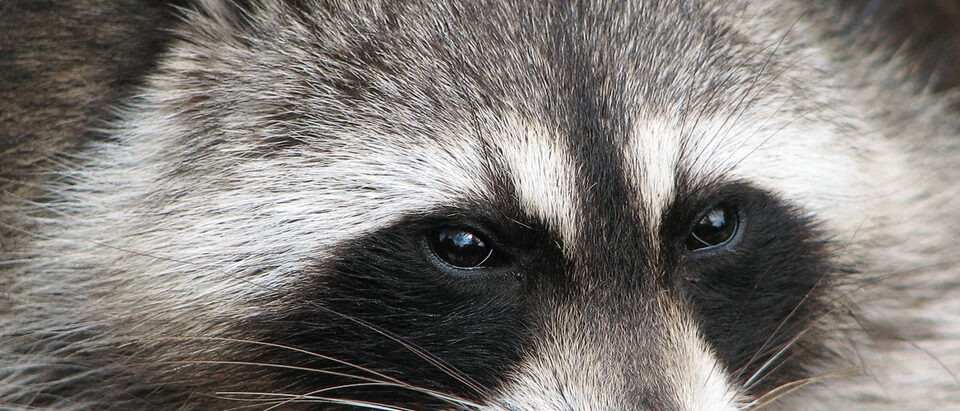
Raccoon

Raccoon

Procyon lotor
At night, and mostly from spring into late summer when there are kits.

A soft chittering and purring, like a conversation between several animals, plus heavy thumps as they move around. A shrill scream means two adults are fighting, and it is the sound people remember.

What to do: Chittering means a family, not a single animal, which is why the spring and summer months matter: the young have to be mobile before you close the entry. Look for a latrine on the roof or in the attic corner as the second sign.
20s clip, edited for level and lengthRecording: Thomas Koffel, CC BY 4.0, via iNaturalist
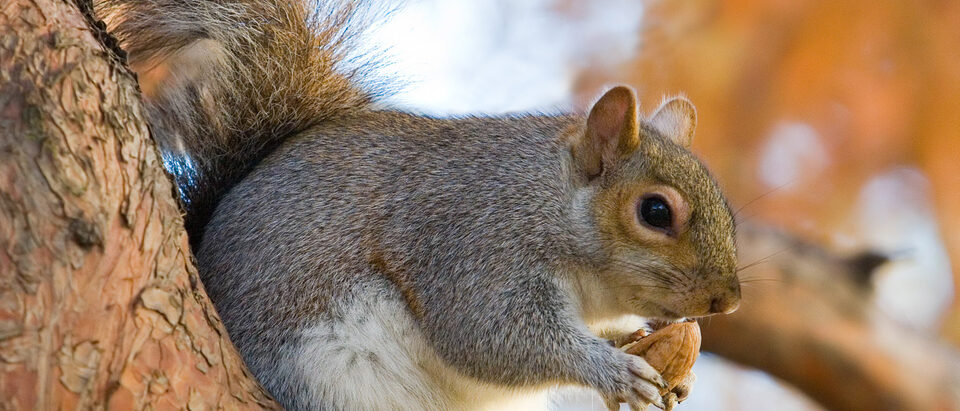
Eastern gray squirrel

Eastern gray squirrel

Sciurus carolinensis
Mornings and afternoons, all year, and often right above a bedroom.

A rapid raspy chatter, repeated in short bursts, is a squirrel telling everything in the yard that it is there. The same animal also makes a low rolling rattle when it is more annoyed than alarmed.

What to do: On the roof or in a gutter it is normal. If the chatter comes from inside, over your head, the animal is in the attic or the soffit: find the gap at the roofline before you do anything else.

20s clip, edited for level and lengthRecording: River Ahlquist, CC BY 4.0, via iNaturalist
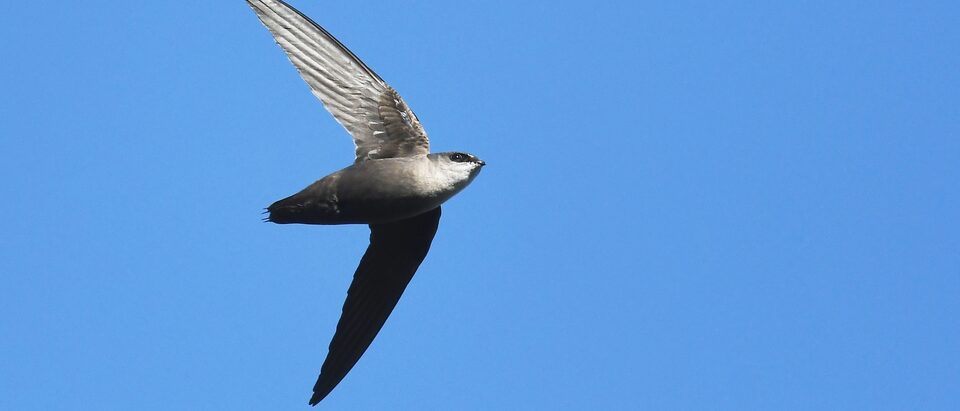
Chimney swift

Chimney swift

Chaetura pelagica
From late spring to early autumn, mostly morning and evening.

A fast, chattering twittering that comes out of the chimney itself, usually from several birds at once, and often heard again as they come in at dusk.

What to do: Swifts nest inside the flue and they are protected, so a cap fitted in June is the wrong fix. Have the chimney swept in the autumn after they leave, then cap it if you want to keep them out next year.

16.7s clip, edited for level and length
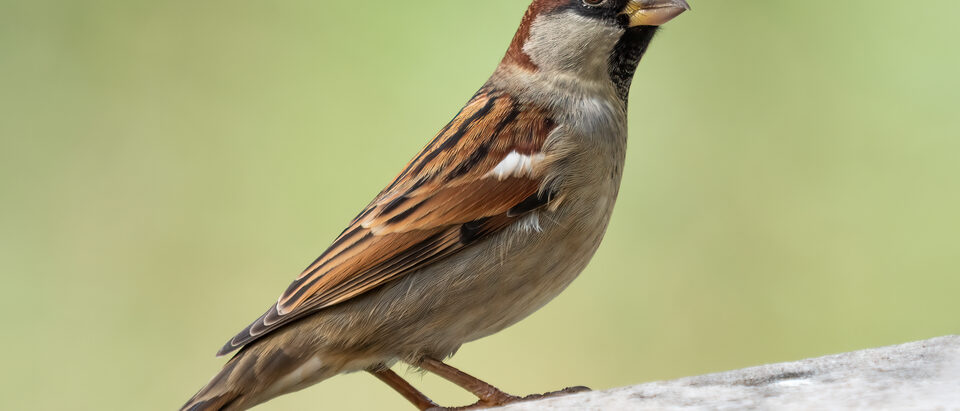
House sparrow

House sparrow

Passer domesticus
Through the day, and loudest in spring when the young are in the nest.

The plain repeated cheep of the bird you already know from a parking lot, but coming from inside a dryer vent, an AC unit or a gap at the soffit.

What to do: A vent full of nesting material and droppings, plus bird mites finding their way indoors, is the reason to act. Remove the nest after the young have gone and screen the vent with hardware cloth.

20s clip, edited for level and lengthRecording: Sam Eh, CC BY 4.0, via iNaturalist
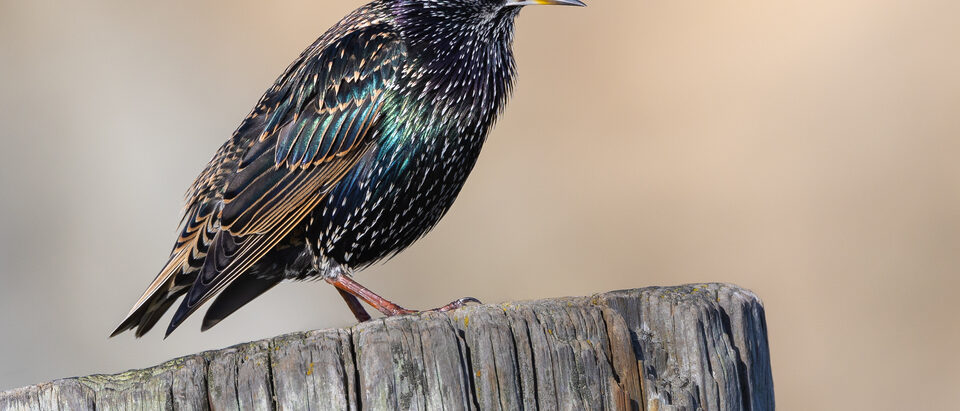
European starling

European starling

Sturnus vulgaris
Through the day, all year.

Harsh chattering and whistles, sometimes imitating other birds, a phone or a car alarm, delivered from the roof, a vent or a gutter. It is the noisiest tenant a house can have.

What to do: Starlings nest in the same holes sparrows use, so the fix is the same: clear the nest outside the nesting season and cover every opening with hardware cloth, including the gaps behind the gutter.

20s clip, edited for level and length
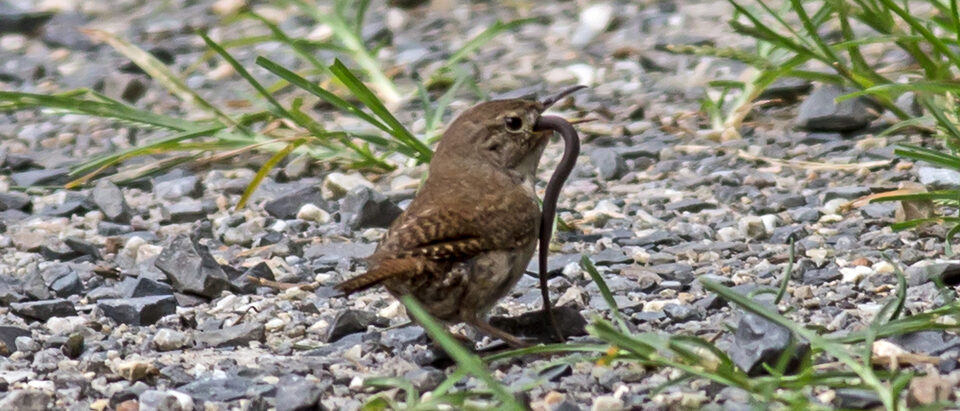
House wren

House wren

Troglodytes aedon
From first light through the morning, spring and summer.

A bubbling, chattering song with a scolding rattle in it, far louder than a bird that small should be, coming from a flowerpot, a grill, a hose reel or a vent opening.

What to do: The male builds several dummy nests and the female picks one, which is why you find sticks in three unlikely places. Do not block a nest with eggs, and screen the vents once the season is over.

20s clip, edited for level and lengthRecording: Noah Frade, CC BY 4.0, via iNaturalist
Barn swallow

Barn swallow

Hirundo rustica
Through the day, spring and summer.

A soft twittering chatter from a mud cup nest under a porch roof or on a beam, usually with several birds coming and going at once.

What to do: Swallows eat insects on the wing and are protected, so the answer is a physical one: a board or a strip of bird net under the nest site makes it impossible to build there next spring. Remove the nest only outside the nesting season.

17s clip, edited for level and lengthRecording: Kieran Roy Powell, CC BY 4.0, via iNaturalist
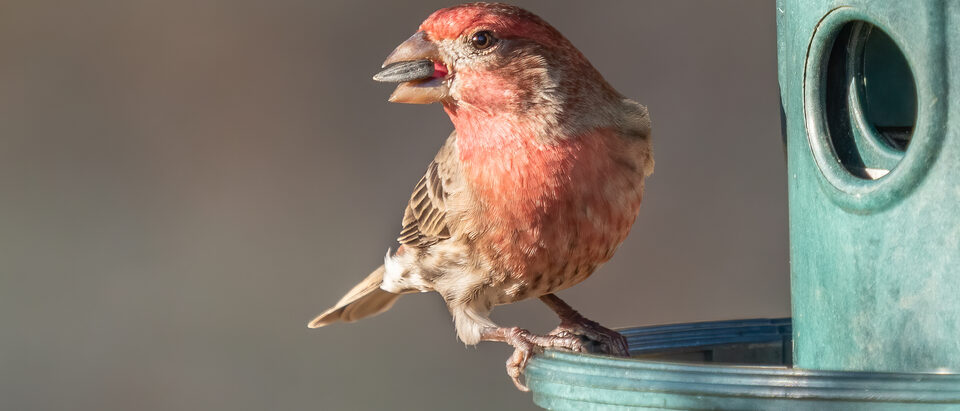
House finch

House finch

Haemorhous mexicanus
Through the day, and it is one of the first singers in late winter.

A long warbling song that goes up and down, often from a porch light, a hanging basket, a wreath on the door or a ledge above it.

What to do: The nest is usually the surprise: a wreath nobody took down in June. Take baskets and decorations down once the season ends, and check the ledge before the eggs are there.

20s clip, edited for level and length
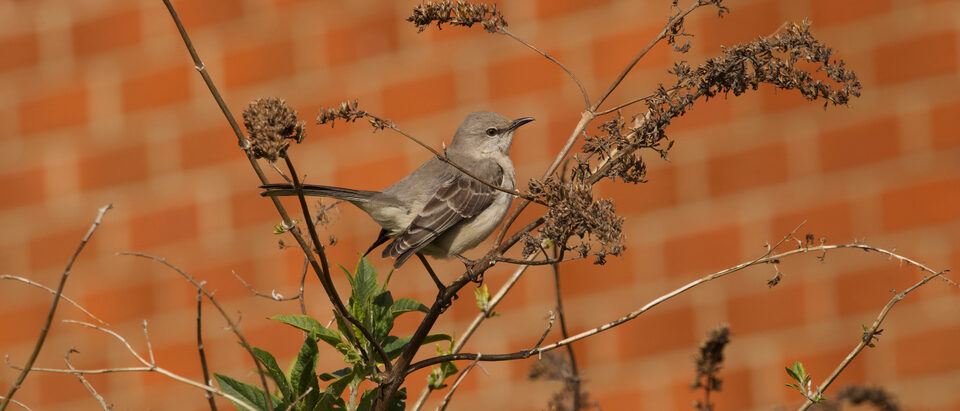
Northern mockingbird

Northern mockingbird

Mimus polyglottos
Inside the night, from late winter through summer, which is why it bothers people.

Long strings of phrases repeated three or four times each, in a loud clear voice, often from a streetlight, a TV antenna or the ridge of the roof. This is the bird singing at two in the morning.

What to do: It is an unmated male advertising, and it normally stops once it pairs up. There is nothing to remove and the bird is protected, so the practical fixes are earplugs or a white noise machine, not a trap.

10.5s clip, edited for level and lengthRecording: Chris Hartley, CC BY 4.0, via iNaturalist
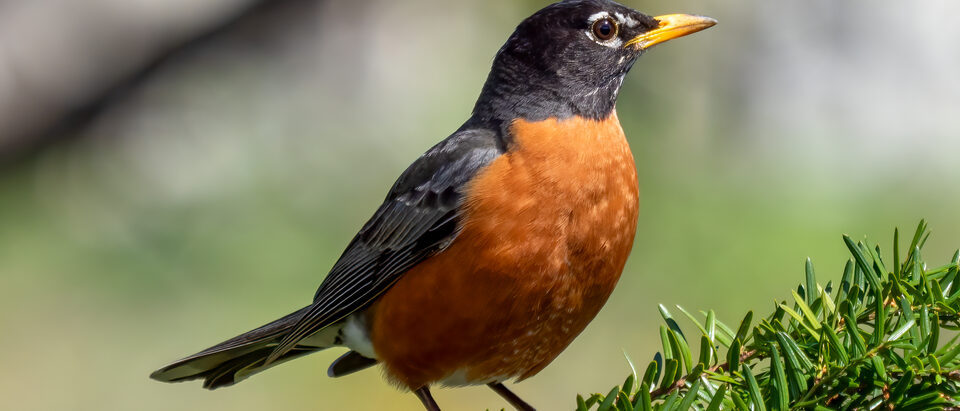
American robin

American robin

Turdus migratorius
The dawn chorus, starting before first light in spring and summer.

Cheer-up, cheer-a-lee, cheer-ee: the clear caroling that starts the whole neighborhood, and the reason a bedroom window is hard to live with in May.

What to do: Nothing to fix. The garden is doing what a garden should, and the bird stops once the sun is fully up.

14.8s clip, edited for level and lengthRecording: cassi saari, CC BY 4.0, via iNaturalist
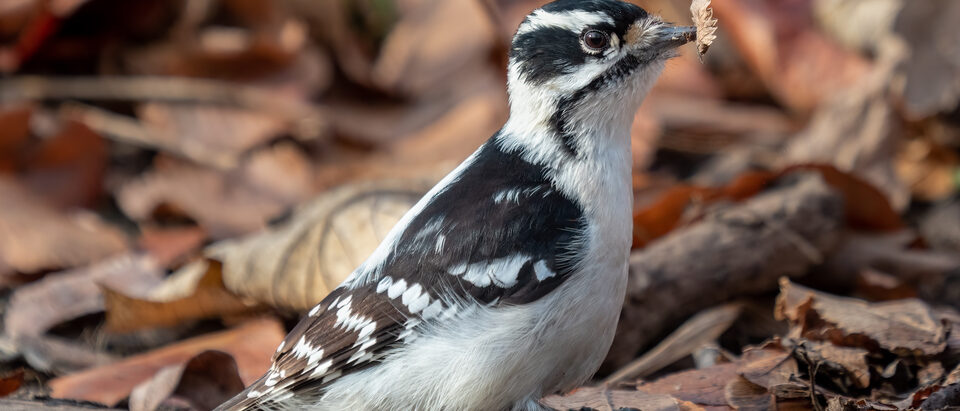
Downy woodpecker

Downy woodpecker

Dryobates pubescens
Through the day, and drumming peaks in spring.

A sharp short pik every second or two, and a light, fast drumroll on the siding or a gutter. The drumming is not eating: it is a signal, and it stops when the pairing season ends.

What to do: If they drill in a line they are after insects in the wood, so have the siding checked for rot and carpenter ants, then repair and paint it. Never use lethal control: woodpeckers are protected by the Migratory Bird Treaty Act.

20s clip, edited for level and lengthRecording: Sam Eh, CC BY 4.0, via iNaturalist
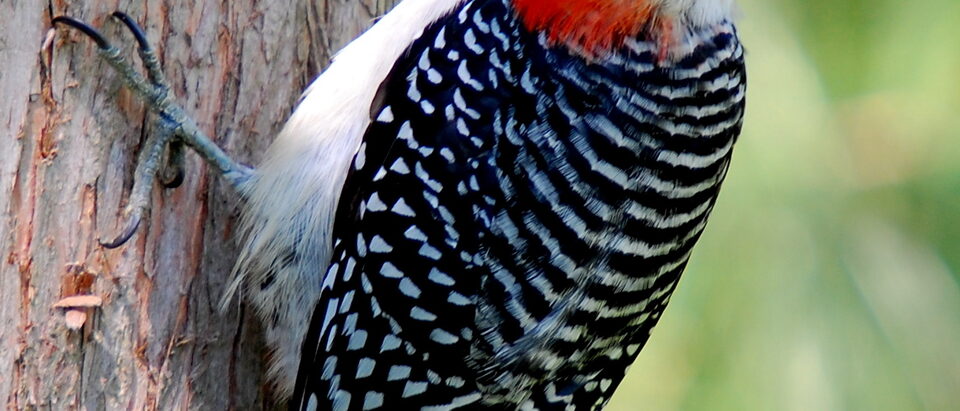
Red-bellied woodpecker

Red-bellied woodpecker

Melanerpes carolinus
Through the day, all year, and loudest in spring.

A rolling churr that carries a long way, plus a drumroll on the loudest surface available, which is usually a metal gutter, a vent or a fascia board.

What to do: The same rules as any woodpecker: work out whether the holes are feeding holes or a nest cavity, fix the insect problem if there is one, and use a physical deterrent. They are protected, so no lethal option exists and none is needed.

20s clip, edited for level and lengthRecording: Richard Littauer, CC BY 4.0, via iNaturalist
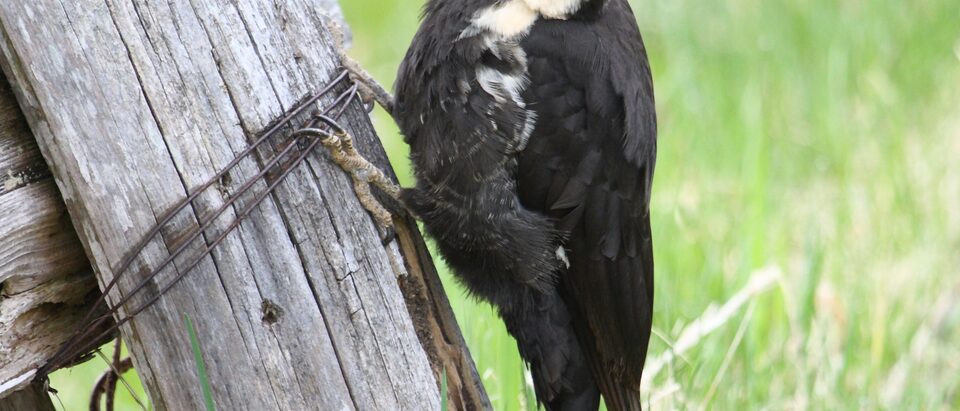
Pileated woodpecker

Pileated woodpecker

Dryocopus pileatus
Through the day, all year.

A loud kuk-kuk-kuk that carries half a mile, and hammering heavy enough to sound like a hammer on the wall. When one drums on a house, the whole house hears it.

What to do: The damage is real: pileated woodpeckers excavate big rectangular holes, often in dead wood or a dead limb, so check for a dying tree or insects in the siding and deal with that, then use a deterrent on the surface they are using.

20s clip, edited for level and length

How to use a recording like this

Listen first, then read the timing on the card. For birds, the recording is very close to what you are hearing outside, and it is enough to name the species. For an animal inside the structure, the recording is a starting point rather than an answer, because plasterboard and insulation change what reaches you. A squirrel in a ceiling sounds like a slow bowling ball; the same animal's call, the one on this page, is the thing you hear once it knows you are there.

So the method is three questions in order. What time does it happen? Where is it coming from: the ceiling, a wall, the flue, a vent or the garden? And what else is there in the same place, meaning droppings, a rubbed gap, a gnawed edge or tracks in the dust. The first two narrow it, and the third one closes it.

What is not on this page, and why

  • Bats. Their echolocation is ultrasound, and the social calls are too quiet to record usefully without a bat detector. A colony is found from guano, staining and rub marks, not from sound.
  • Rats and mice. The recordings that exist with a license that allows commercial use number three for the brown rat and none at all for the house mouse. Scratching in a wall is identified from the timing and from what you find in the space, and my guide to telling rat and mouse droppings apart does that part.
  • Opossum, skunk and groundhog. One usable recording each, which is not enough to publish as a reference, and none of the three is a species people identify by ear.
  • The exact noise in your ceiling. Nobody can sell you a recording of your own house. The clips here are the calls of the species, and the diagnosis comes from the timing plus the signs.

Where to go next

The three questions are built into the what is in my attic tool, which now plays the matching clip with the result. For the animals themselves, my guides to a woodpecker in a wall, a squirrel making noise in a wall, and the difference between rat and mouse sounds go one animal at a time. And if you would rather have the sign identified than the sound, the what did I find tool covers droppings, tracks, damage and feathers.

Start with the timing. Squirrels are active in the first and last hours of daylight, so a sound that starts before sunrise and stops after dark is usually a squirrel. Rodents scratch in short bursts late at night and often inside a wall rather than above it. A heavy thump with chittering at two in the morning is a raccoon, and a steady flutter at dusk with a musty smell is bats. My attic tool walks through the same three questions and narrows it down.