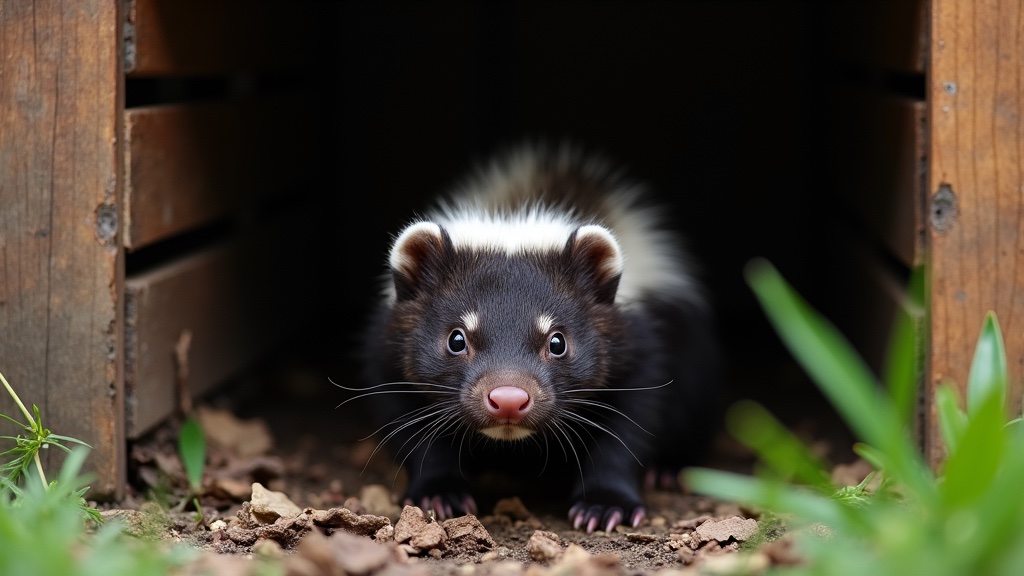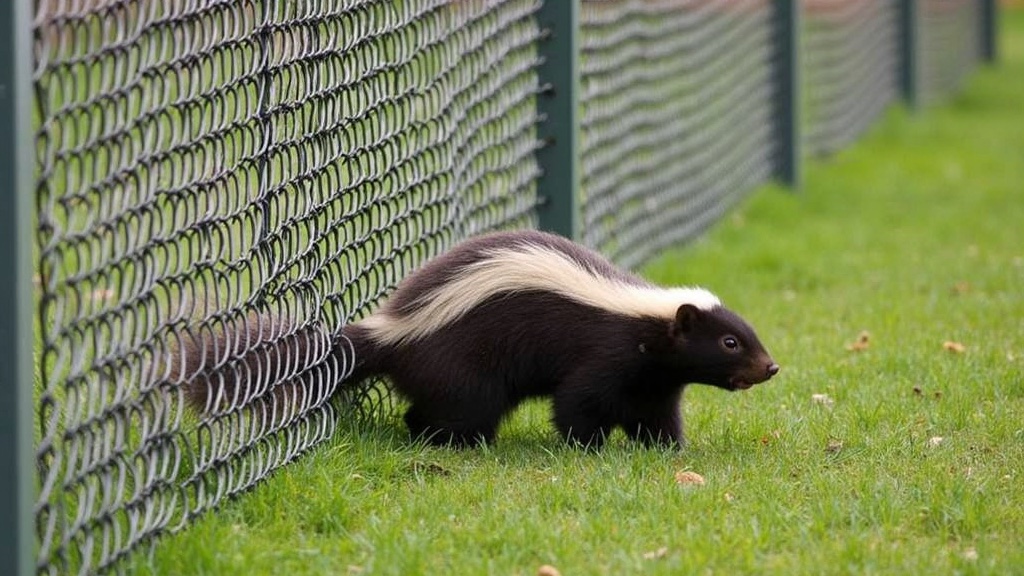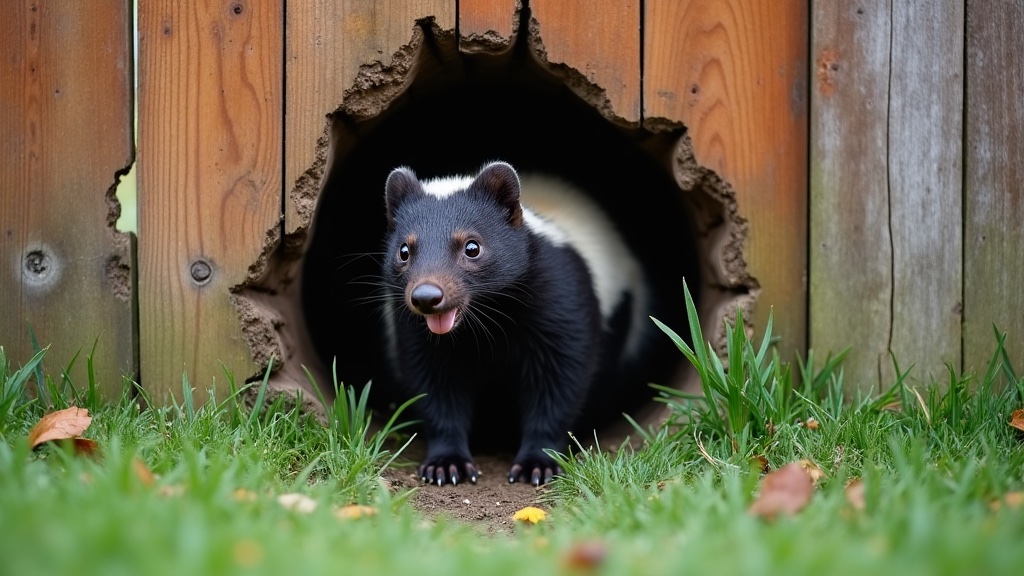
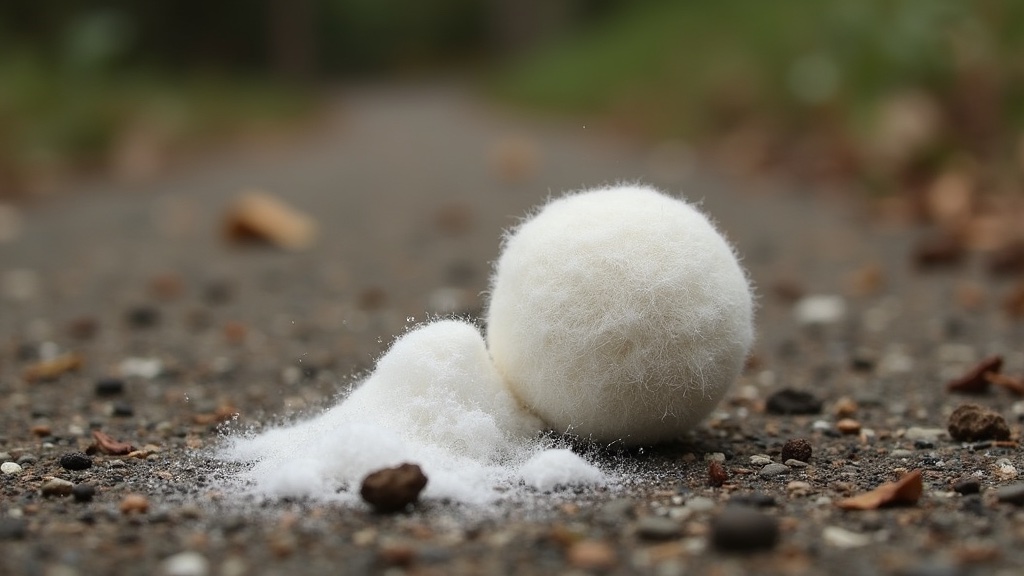
Mothballs are a common home remedy for skunks, but they are not effective and can be dangerous. Mothballs contain naphthalene or paradichlorobenzene, which are toxic to humans and pets. They are regulated by the EPA and should not be used outdoors. Skunks (Mephitis mephitis) have a highly developed olfactory system, but mothball vapors dissipate too quickly outdoors to create a meaningful deterrent. This guide explains why mothballs fail and what actually works.
Key Takeaways
- Not effective: Mothballs have limited effectiveness against skunks. The vapor concentration needed outdoors is impossible to maintain safely.
- Toxic to pets: Mothballs are poisonous to dogs, cats, and children. Naphthalene ingestion causes hemolytic anemia and liver damage.
- Illegal outdoor use: Using mothballs outdoors violates federal pesticide law. They are registered for sealed-container use only.
- Better alternatives: Ammonia-soaked rags, commercial repellents, and motion-activated sprinklers are more effective and safer.
- Environmental harm: Naphthalene and paradichlorobenzene contaminate soil and groundwater. They persist in the environment for months.
In This Guide
Why People Use Mothballs for Skunks
Mothballs have a strong, distinctive smell that people associate with pest control. The idea is that the pungent odor of naphthalene will drive skunks away from decks, sheds, and gardens. This myth persists because mothballs are effective against clothes moths in sealed containers where vapors concentrate. People assume the same principle applies to outdoor wildlife. It does not, for reasons of chemistry and physics that become clear once you understand how mothballs work.
Are Mothballs Effective Against Skunks?
No. Mothballs have very limited effectiveness against skunks. The concentration of naphthalene needed to deter a skunk outdoors would be so high that it would be dangerous to humans and pets. Skunks have a strong sense of smell, but they are not deterred by mothball odors. In fact, some skunks may investigate the smell because they associate strong odors with food sources such as garbage and compost.
The Science Behind Why Mothballs Fail
Mothballs work by sublimation, the process where solid naphthalene or paradichlorobenzene turns directly into a toxic gas. In a sealed closet or container, this gas concentrates to levels that kill clothes moths. Outdoors, the gas disperses instantly in moving air, dropping to concentrations far below what would deter a skunk. Even under a deck or porch, airflow prevents the vapor from reaching effective levels.
Skunks rely primarily on their olfactory system for foraging. Striped skunks (Mephitis mephitis) can detect grubs and insects several inches underground by scent alone. A novel chemical odor like naphthalene may cause initial hesitation, but skunks habituate quickly. Within days, they ignore the smell entirely and return to their normal foraging routes.
Health Warning
Mothballs are toxic if ingested. Dogs and cats can be poisoned by eating a single mothball. Naphthalene poisoning causes vomiting, seizures, and hemolytic anemia. Paradichlorobenzene causes kidney and liver damage. If you suspect your pet has eaten a mothball, contact a veterinarian immediately. Symptoms may take up to five days to appear.
Legal Issues
Mothballs are registered pesticides regulated by the EPA under FIFRA (Federal Insecticide, Fungicide, and Rodenticide Act). They are approved for use only in tightly sealed containers for controlling clothes moths. Using mothballs outdoors for any other purpose is a violation of federal law. Most states have additional restrictions, and violators face fines and potential legal liability for harm caused to people, pets, or the environment.
Safer Alternatives That Actually Work
Instead of mothballs, use methods that are proven effective against skunks:
- Ammonia-soaked rags: Place rags soaked in ammonia near den entrances and under decks. The strong ammonia smell deters skunks without the toxicity of mothballs. Replace every few days as the ammonia evaporates.
- Motion-activated sprinklers: Skunks are startled by sudden water spray. A sprinkler connected to a motion sensor provides a humane, chemical-free deterrent that works 24/7.
- Commercial skunk repellents: Products containing castor oil, putrescent egg solids, or capsaicin are formulated specifically for outdoor skunk control. They are safe for pets and children when used per the label.
- Lighting: Skunks are nocturnal and prefer dark areas. Installing bright motion-activated lights in problem areas can discourage them from settling.
For product recommendations, see our best skunk repellents guide. For trapping options, see best skunk traps guide.
Frequently Asked Questions
Can mothballs kill skunks?
Mothballs are not designed to kill skunks. The concentration needed to harm a skunk would be dangerous to other animals and the environment. Skunks would simply leave an area with toxic vapor levels rather than die there.
How many mothballs do I need to repel skunks?
None. Mothballs are not effective for skunk control and should not be used outdoors. Use commercial repellents or exclusion methods instead.
Are mothballs safe to use in the garden?
No. Naphthalene and paradichlorobenzene contaminate soil and groundwater. They are not approved for outdoor use and can harm plants, beneficial insects, and soil microorganisms.
Do ammonia-soaked rags work better than mothballs?
Yes. Ammonia is a stronger deterrent than mothball vapors and dissipates less quickly outdoors. However, ammonia must be reapplied every few days and should be placed where pets cannot access it.
Related Resources
For skunk product recommendations, see best skunk repellents guide and best skunk traps guide. For property protection, read skunk proofing guide. Compare pest control costs in our wildlife removal cost guide.
Why Trust Us
WildAnimalsCentral.com provides skunk control information based on EPA regulations, CDC guidelines, and recommendations from licensed pest control professionals. Our chemical analysis references the National Pesticide Information Center and peer-reviewed toxicology data.