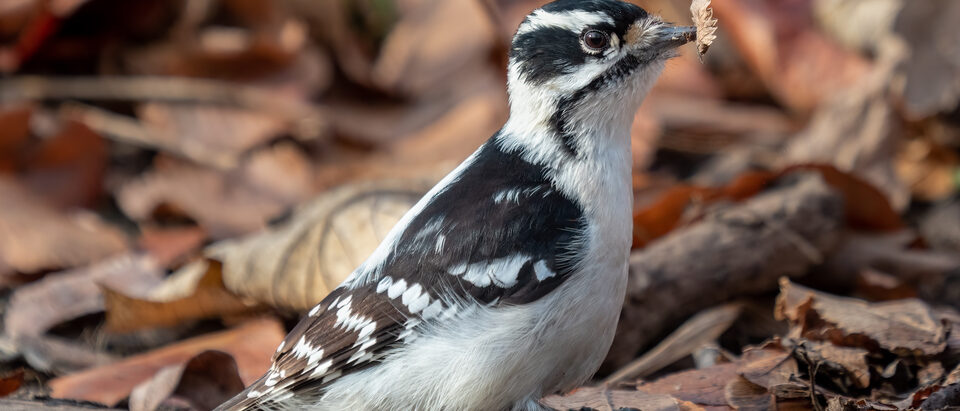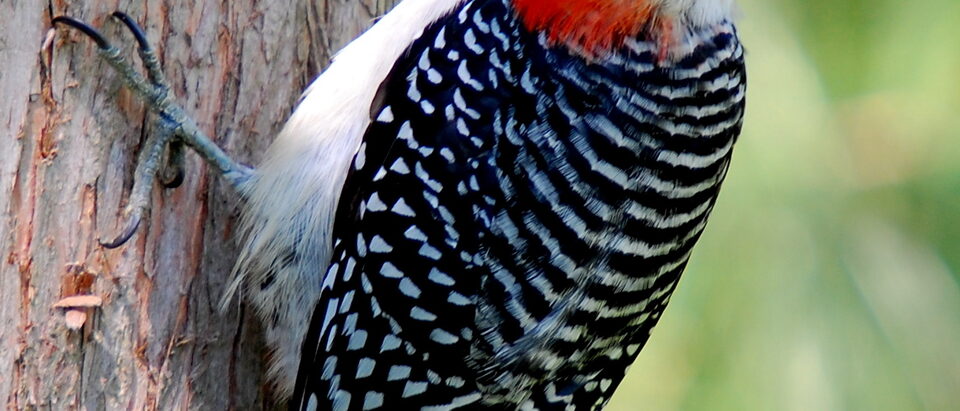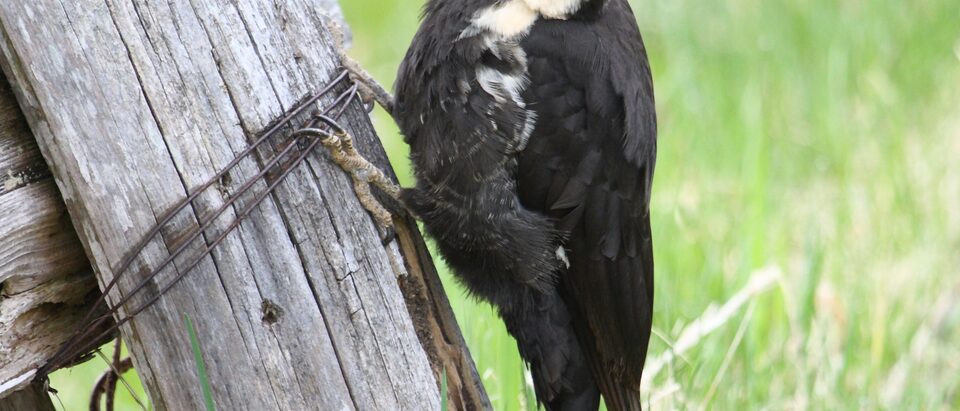

A woodpecker pecking your house walls is usually drumming to claim territory or drilling for insects, and the fix is deterrence. Woodpeckers are protected, so you cannot harm them, but you can deter them and fix the attractant. Here is what to do.
- Woodpeckers are protected, so deterrence is the fix.
- Drumming is territorial; drilling is for insects.
- Fix insect problems and add deterrents.
- Damage is usually to siding, not structural.
Why It Is Pecking
Drumming. A woodpecker drums on a wall or gutter to claim territory and attract a mate, usually in spring. It is loud but causes little damage.
Drilling. A woodpecker drilling holes is searching for insects in the wood, which signals an insect problem in the siding.
Identify the Reason
If the pecking is a fast, rhythmic drumming in spring, it is territorial. If it is drilling holes, check the siding for insect activity, since the woodpecker is following food.
Deter It
Reflective tape, wind spinners, and bird netting discourage woodpeckers. Move deterrents periodically, since woodpeckers habituate. Since woodpeckers are protected, deterrence is the legal fix.
Fix the Attractant
If the woodpecker is drilling for insects, treat the insect problem in the siding. Fixing the food source stops the drilling.
Frequently Asked Questions
Use reflective deterrents and netting, and move them periodically. If it is drilling for insects, treat the insect problem in the siding.
Yes, woodpeckers are protected under the Migratory Bird Treaty Act, so you cannot harm them. Deterrence is the legal fix.
Drumming is territorial, usually in spring, while drilling holes means it is searching for insects in the siding.
Drumming causes little damage, but drilling can damage siding and signals an insect problem. Address it before it worsens.