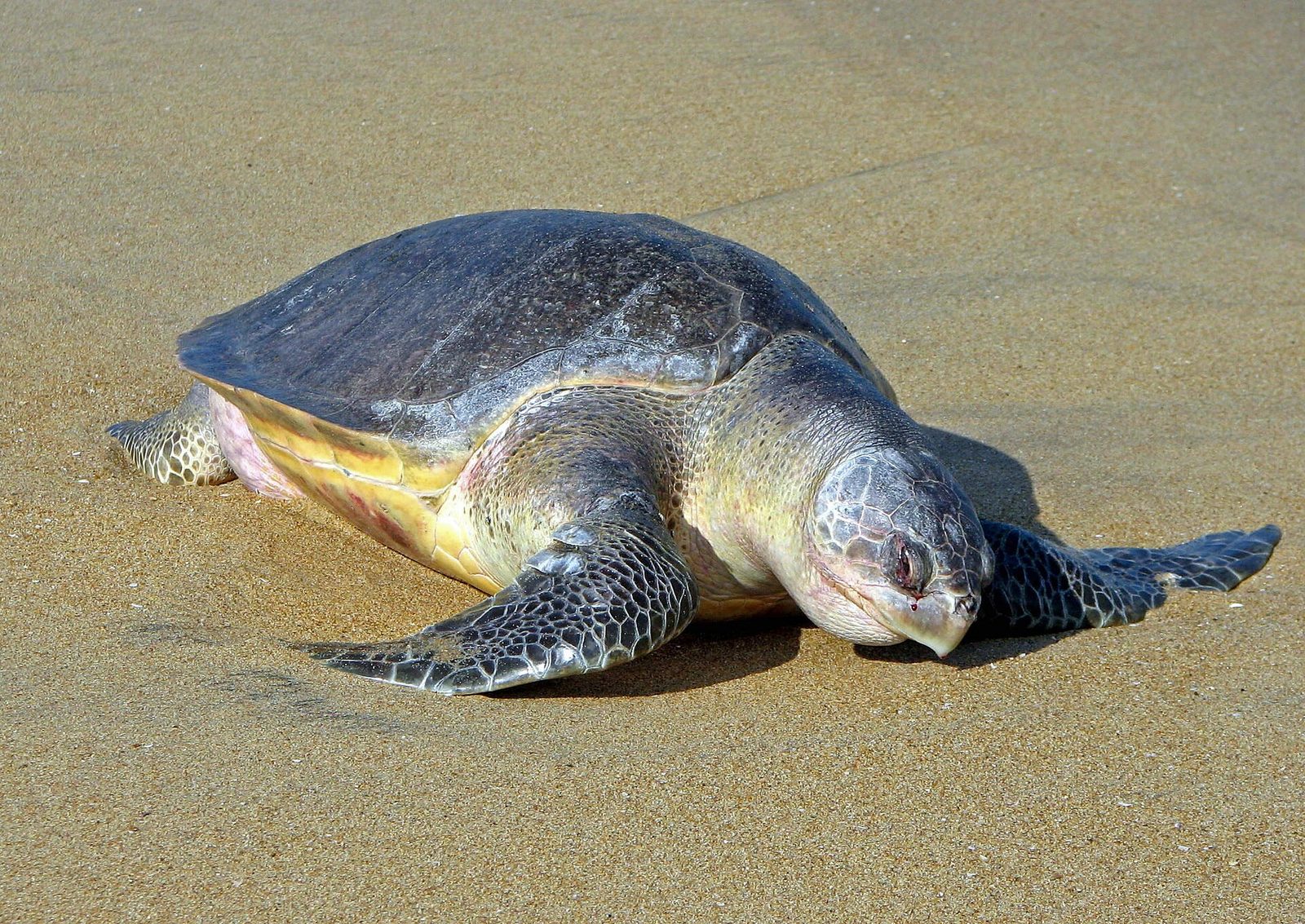
More than 200 rare sea turtle eggs were moved from two Southern California beaches this week ahead of Hurricane Polo, Fox Los Angeles reported. I read the story and checked the numbers it gave against the location details, and the report lists 204 olive ridley sea turtle eggs from one nest in Huntington Beach and one in Seal Beach.
Wildlife officials described the nesting event as historic, the outlet reported. The two nests were discovered during what the report called an unprecedented olive ridley nesting occurrence along the Southern California coast. The eggs were excavated and taken to the Aquarium of the Pacific, where they will be kept until the storm danger passes.
The rescue
According to the report, the eggs were moved to protect them from the storm surge and extreme high tides that Hurricane Polo was expected to push onto the beaches. The relocation was meant to keep the nests from being washed away before the hatchlings emerged. The Aquarium of the Pacific took custody of the eggs and will release the hatchlings once the storm has cleared.
The rescue stands out because olive ridley sea turtle nesting is rare on the U.S. West Coast. Previous nesting events have not required this kind of emergency relocation, making the California response one of the first of its kind.
What this means for you
For a California homeowner, the rescue is a reminder to leave sea turtle nesting sites alone. Turtles that come ashore are easily disturbed, and a single beach visit can doom a nest. The safest move is to keep your distance and call local wildlife officials if you see a turtle or tracks on the sand.
The same hands-off rule applies to wildlife closer to your house. If a raccoon has moved into your chimney, the basic steps for getting rid of raccoons in your chimney are a better approach than grabbing the animal, and the same logic applies to a sea turtle nest on the sand.