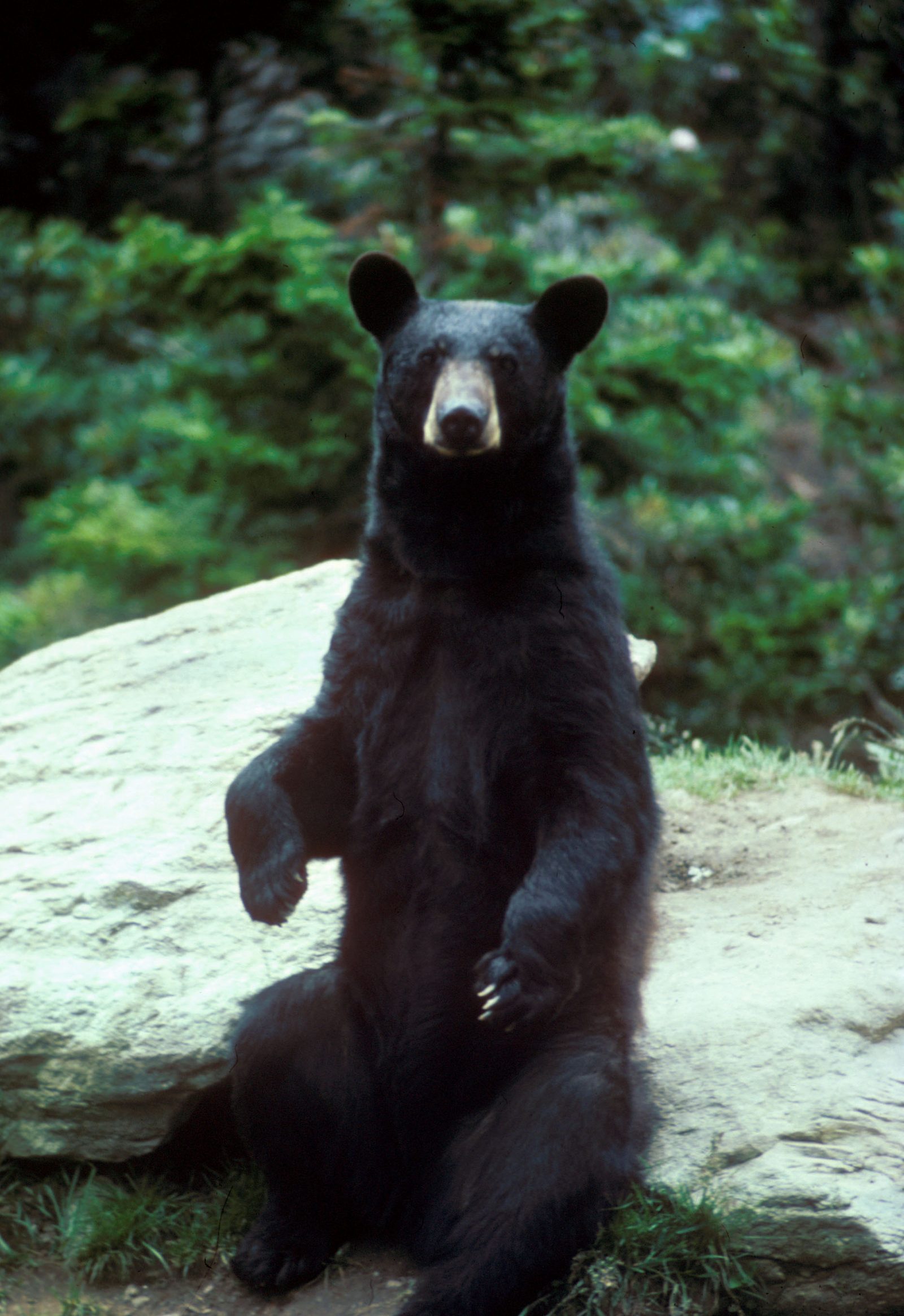
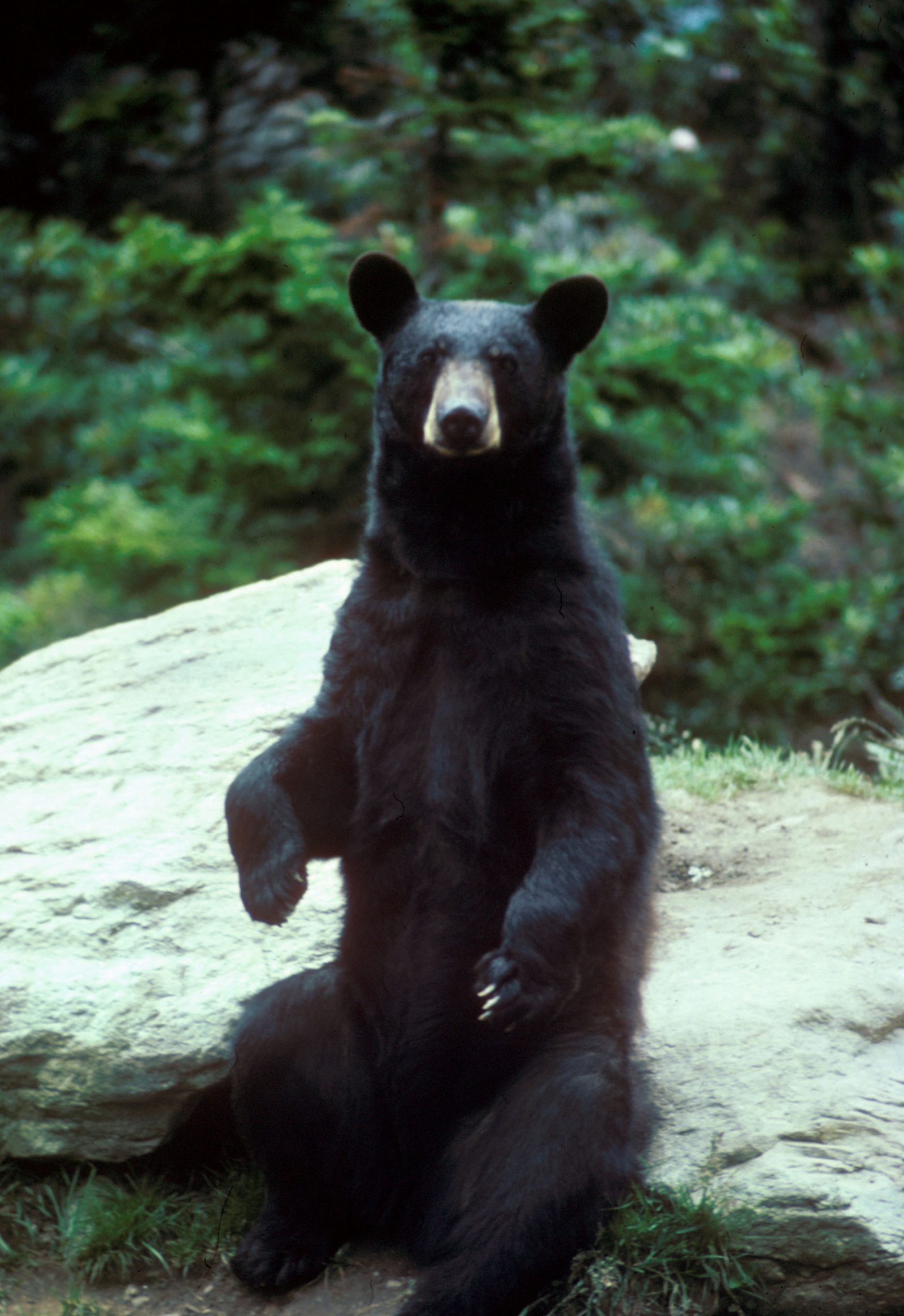
Fall is the time black bears ramp up their search for a quiet, dry, dark den to call home for the winter months, and the North Carolina Wildlife Resources Commission is urging residents to start bear-proofing now.
The commission issued a news release this week reminding homeowners that it is increasingly common for black bears to den near houses, including under decks, in crawlspaces, and inside sheds or garages. I read the full release, which stresses that the best time to prevent a bear from settling in is before it finds a spot and begins carrying in bedding material.
What homeowners should do now
The key step is to close off any space that could look like a den. A bear can fit through an opening as small as nine inches wide. Homeowners should inspect foundations, vents, and crawlspace entrances, and seal them with sturdy material such as hardware cloth or heavy lumber.
Other precautions include removing food attractants. Bird feeders, pet food bowls, and unsecured garbage cans all draw bears to a property. Once a bear finds a reliable food source near a sheltered spot, it may decide to stay. The commission also advises waiting until morning of collection day to put out trash, and cleaning grills after each use. For more on keeping other wildlife out of the home, see the bat-proofing guide, which covers similar exclusion techniques for attic-dwelling animals.
What to do if a bear has already denned
If a homeowner discovers a bear already denning inside a crawlspace or under a deck, the commission says to leave it alone. Do not block the entrance while the bear is inside. The bear will leave on its own in spring. Harassing or trapping a denned bear is illegal and dangerous. The release recommends contacting the commission’s wildlife management division for guidance instead.
Bears that become comfortable denning near people can lose their natural wariness, which may lead to problems later. Keeping properties secure now helps both the homeowner and the bear. The complete press release is available on the North Carolina Wildlife Resources Commission’s website.
The notice is published by North Carolina Wildlife Resources Commission at www.ncwildlife.gov.