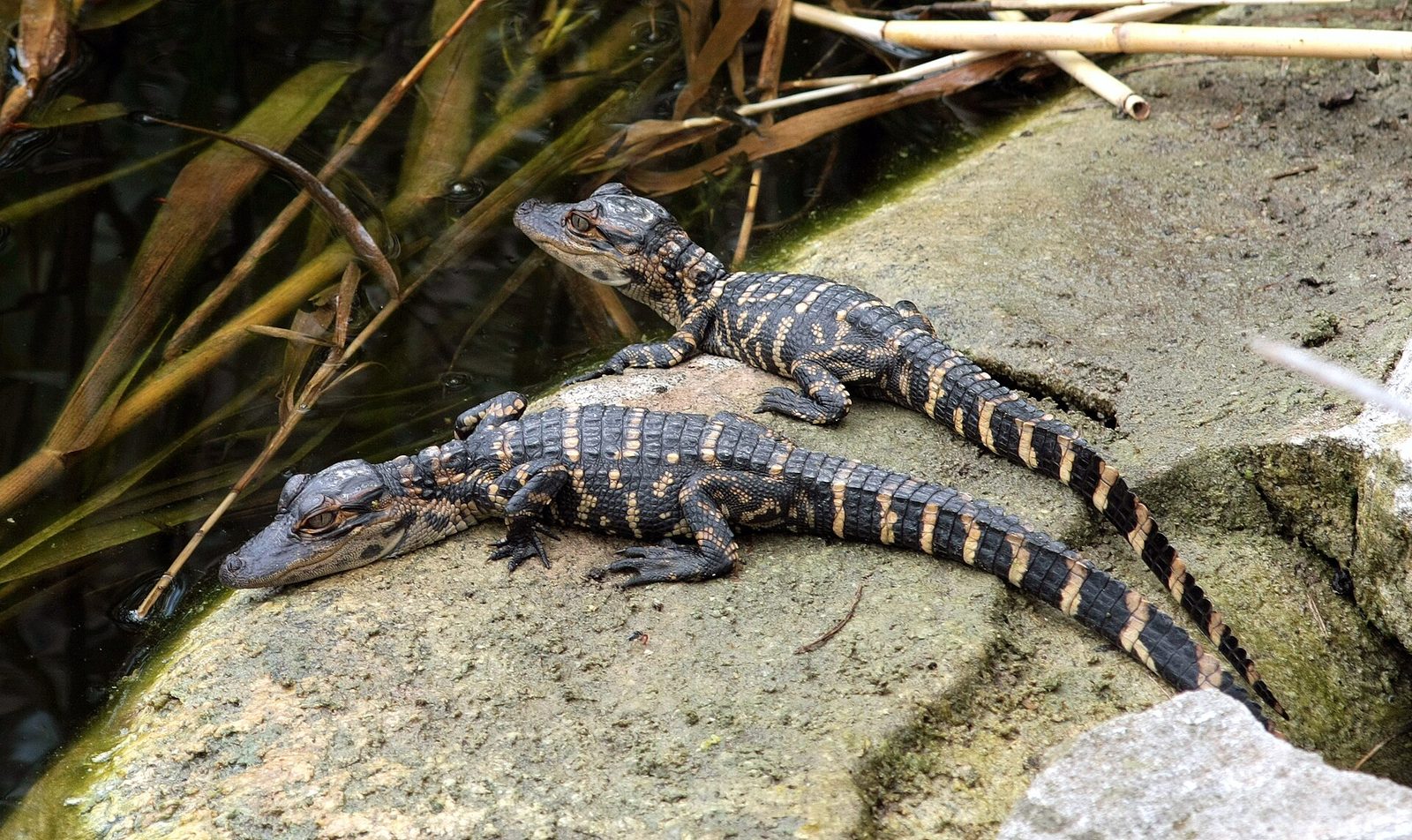
A dead alligator found in West Palm Beach had a hammer embedded in its forehead, and the owner of a local business has been charged in connection with the animal’s death, The Cool Down reports. The case surfaced this week, and I pulled the original report to confirm the details that have been circulating.
The alligator was discovered with the hammer lodged in its skull, and authorities linked the tool to the business owner, who reportedly refused to answer questions about how it got there. Wildlife officials in Florida take such cases seriously because alligators are a protected species, and harming one carries criminal penalties under state law. The charge against the owner stems from that protected status, not just from the disturbing nature of the discovery.
What the law says in Florida
Florida’s wildlife agency has broad authority to investigate and prosecute people who kill or injure alligators outside of permitted hunting seasons or special nuisance permits. The hammer in the animal’s head is physical evidence of a deliberate act, which separates this case from the accidental road strikes that sometimes happen in suburban areas. I compared the details with other recent Florida alligator incidents, and charges in this kind of case usually hinge on proving intent or gross negligence.
For a homeowner in Florida, this case is a reminder that handling an alligator on your property is never a legal option. If one poses a threat, the state’s wildlife agency runs a nuisance alligator program that sends a contracted trapper to remove the animal. Killing one yourself, even a small one, can lead to fines and criminal charges, as this case shows.
What to do with a dead alligator
If you find a dead alligator in your yard or near your home, do not move it or remove any objects from it, because it may be evidence in an active investigation. Leave the scene intact and report the find to the Florida Fish and Wildlife Conservation Commission, which will decide how to handle the carcass. The situation is similar to what you’d do with a dead deer on your property, where the right move is to call the proper authorities rather than attempt a cleanup yourself; I’ve written about dead deer removal and the steps to take for dead deer in your yard in other guides on this site.
The case in West Palm Beach is ongoing, and the business owner has not been convicted of anything at this stage. The Cool Down confirmed the charge and the location, and the public record will show how the case proceeds through the courts.
The notice is published by The Cool Down at www.thecooldown.com.