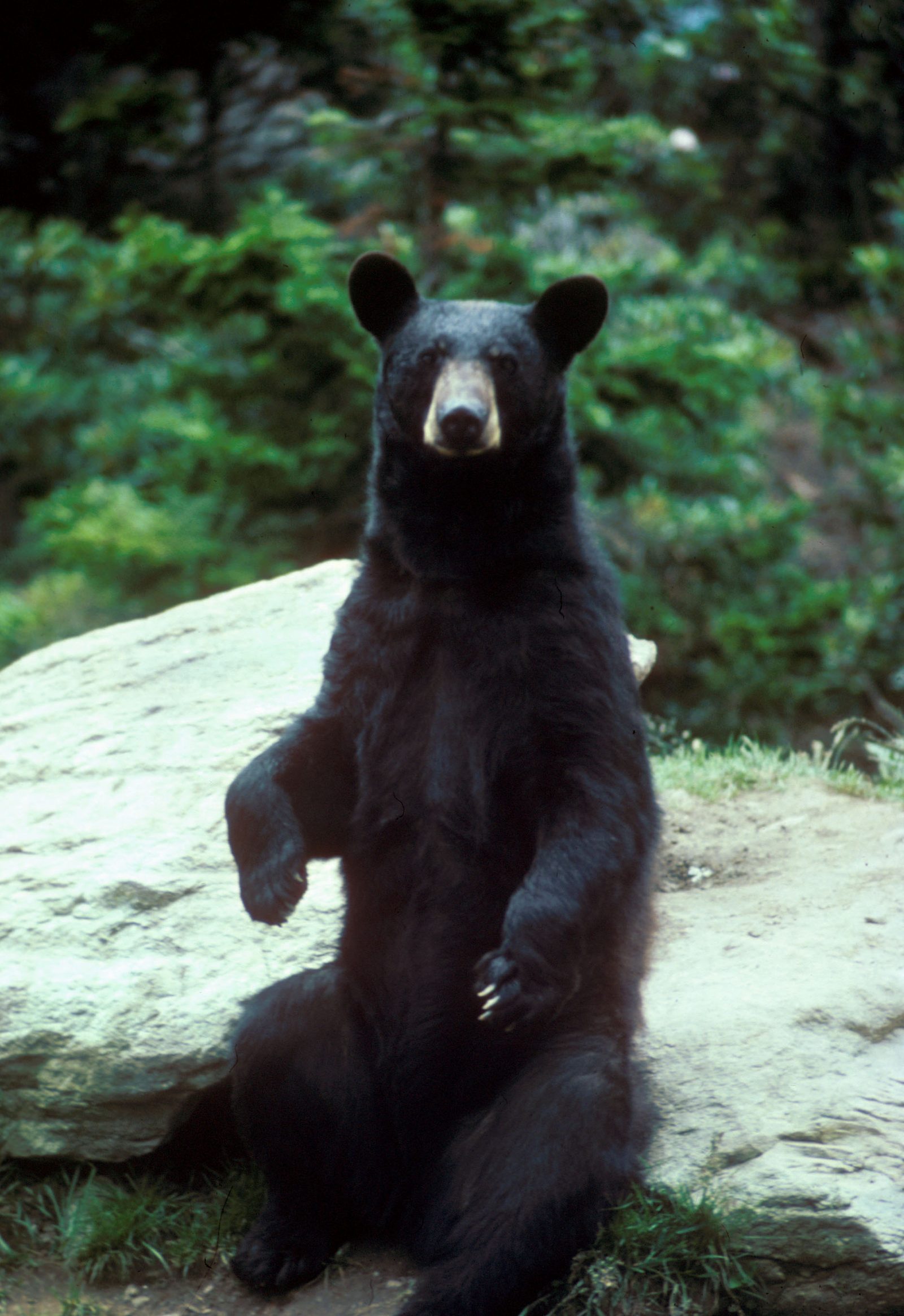
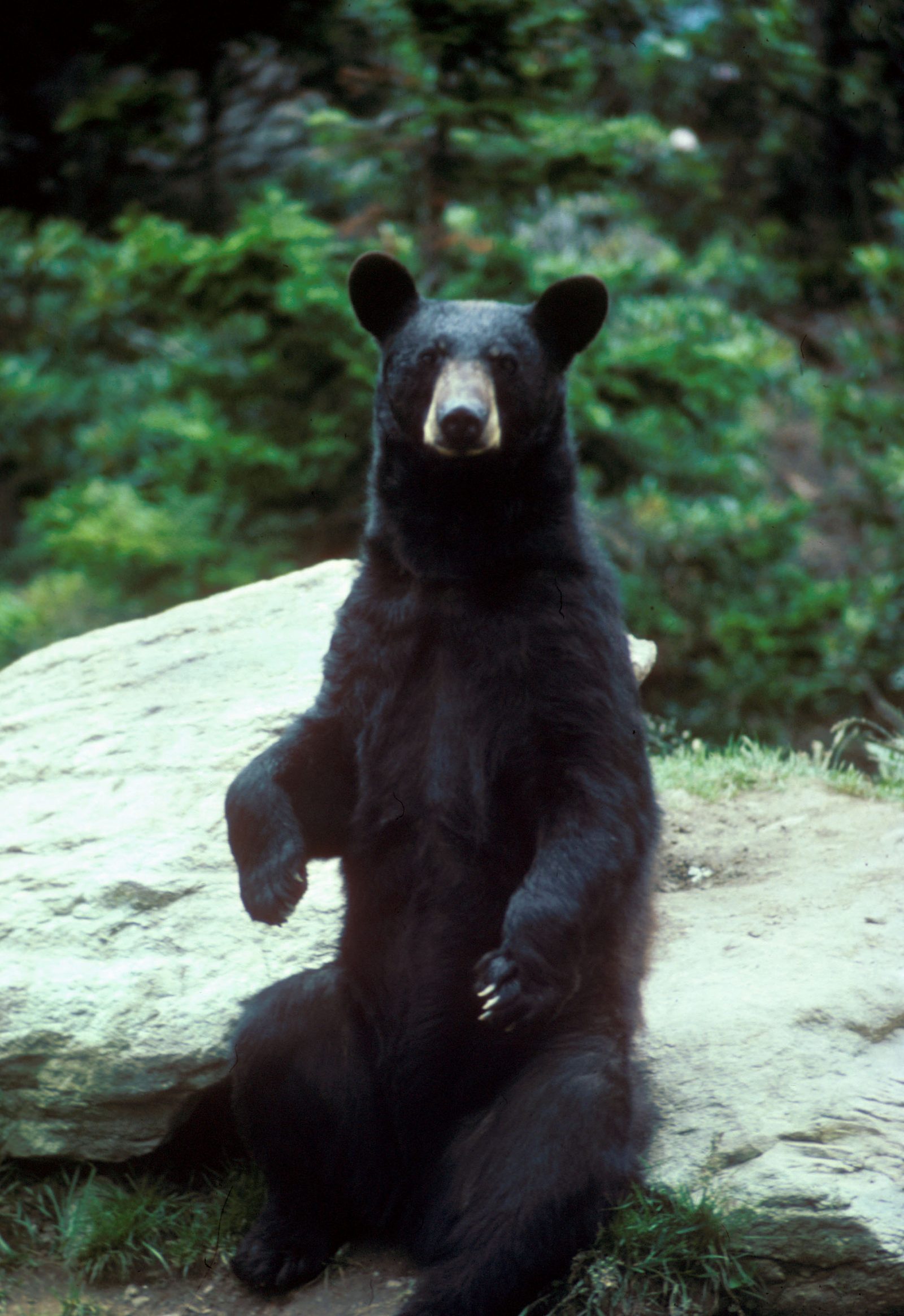
Black bear activity is ramping up across Maryland as the animals enter a period of intense feeding before winter hibernation, the Maryland Department of Natural Resources confirmed this week. I read the agency’s official news release, which notes that as leaves change and temperatures cool, bears are crossing roads more often and can become attracted to human-provided food sources such as bird feeders, pet bowls, and unsecured trash.
What Bears Are Doing Now
The DNR explains that this seasonal behavior, called hyperphagia, drives bears to consume up to 20,000 calories a day to build fat reserves for their winter denning period. During this time, black bears may lose their natural wariness of people if they find easy food around homes. The agency reminds residents that a bear that becomes accustomed to human food can become a public safety concern.
Maryland’s black bear population is concentrated in the western part of the state, particularly Allegany, Frederick, Garrett, and Washington counties, though sightings occasionally occur farther east. The DNR has previously reported that nuisance bear calls peak during this pre-hibernation window, and homeowners who remove attractants typically see a drop in visits within a few days. A similar seasonal warning was issued by the agency last October, when bears were reported raiding unsecured garbage cans in Garrett County neighborhoods.
What Homeowners Should Do
For Maryland residents living in or near bear country, the key action is to secure anything that smells like food. That means storing trash in bear-resistant containers or a garage until pick-up day, taking down bird feeders until winter, and not leaving pet food outdoors. The DNR also advises cleaning grills after each use and keeping compost piles fenced or turned frequently to reduce odors. While opossums carry fewer diseases than most wild animals, a bear drawn to the same food sources is a much larger concern , and unlike opossums, which are timid and non-confrontational, a food-conditioned bear may not back away easily.
The full seasonal guidance was published by the Maryland Department of Natural Resources.
The notice is published by Maryland Department of Natural Resources news at news.maryland.gov.