A family of barn owls has moved into a nesting spot on New York City’s Upper West Side, possibly the first time the species has nested in Manhattan in modern history. Smithsonian Smart News reported the arrival this week, noting the owls have attracted significant attention because barn owls are considered an extremely rare sight in the city.
I opened the Smithsonian Smart News article and read through the details of the sighting, which describes the owls as having drawn a crowd of curious onlookers. The article notes that while barn owls are found throughout much of the United States, they are almost never seen in Manhattan, where tall buildings and dense human activity leave little room for the open grasslands and abandoned structures the birds typically favor.
Why This Matters
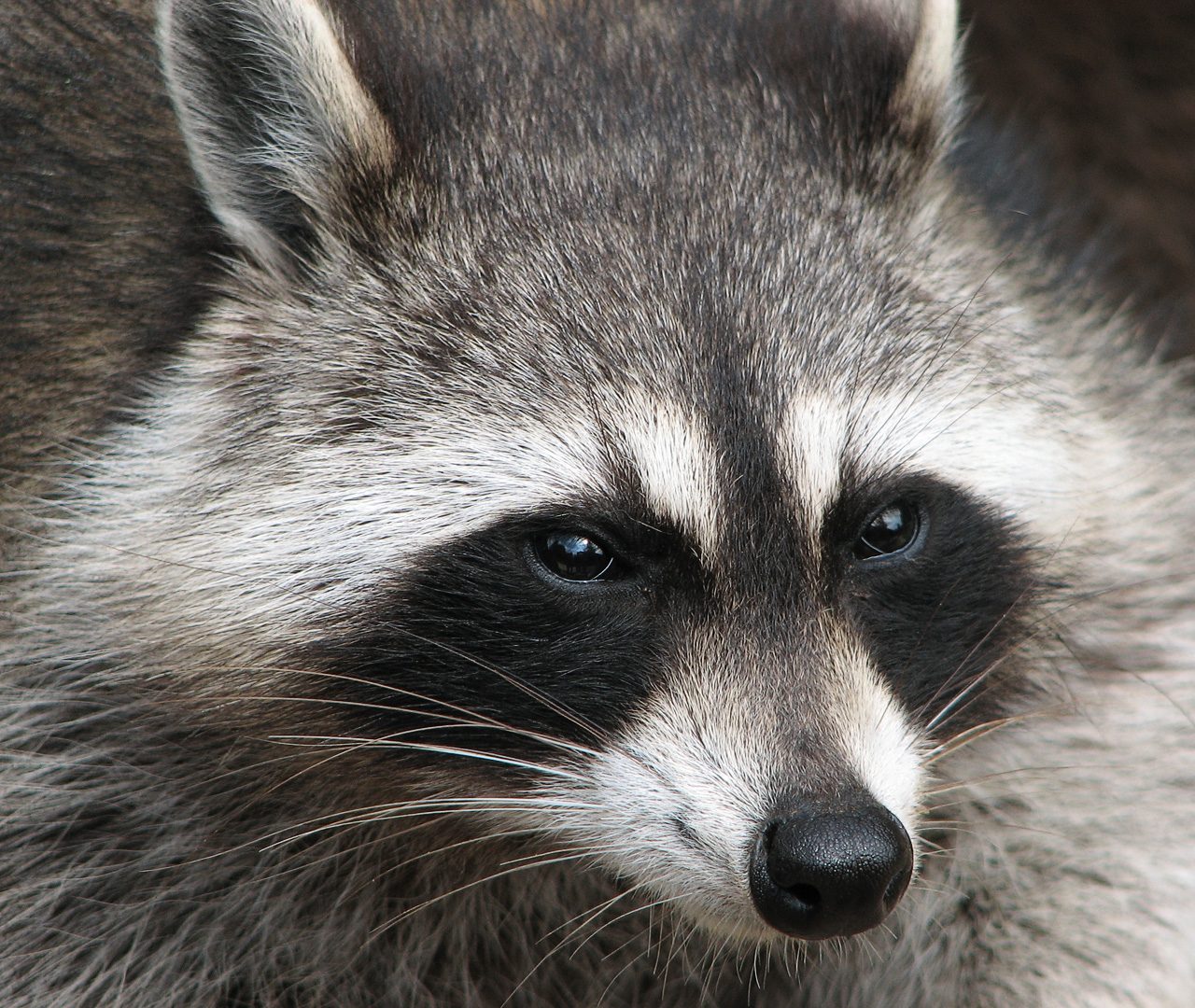
The presence of barn owls in Manhattan is notable for wildlife watchers, but for most homeowners it is nothing to worry about. Barn owls are strictly nocturnal hunters of rodents, and they do not attack people or pets. Unlike raccoons, which can carry rabies and raccoon roundworm and pose a genuine safety risk when they get into attics or garages, barn owls are considered beneficial neighbors because they keep rat and mouse populations in check. If you want to understand the difference between a potentially dangerous wild animal and a harmless one, my guide on whether raccoons are dangerous to humans explains the real risks to watch for.
What New Yorkers Should Know
For residents on the Upper West Side, the main takeaway is simply to leave the owls alone. The birds are protected under federal law, and disturbing a nesting site carries penalties. If you spot the owls, enjoy the sight from a distance and do not try to feed them or approach the nest. Anyone who finds a sick or injured owl should contact a licensed wildlife rehabilitator rather than handling the bird themselves.
The full story of the Manhattan barn owl family was confirmed by Smithsonian Smart News, which reported that the nesting may be the first documented in the borough in modern history.
The notice is published by Smithsonian Smart News at www.smithsonianmag.com.