
The first step to stopping an animal digging holes is identifying which animal, since the fix differs for each. Skunks dig shallow cone holes, armadillos dig deep cone holes, and moles leave mounds. Here is how to tell them apart and what to do.
- Identify the animal by the hole shape and time of day.
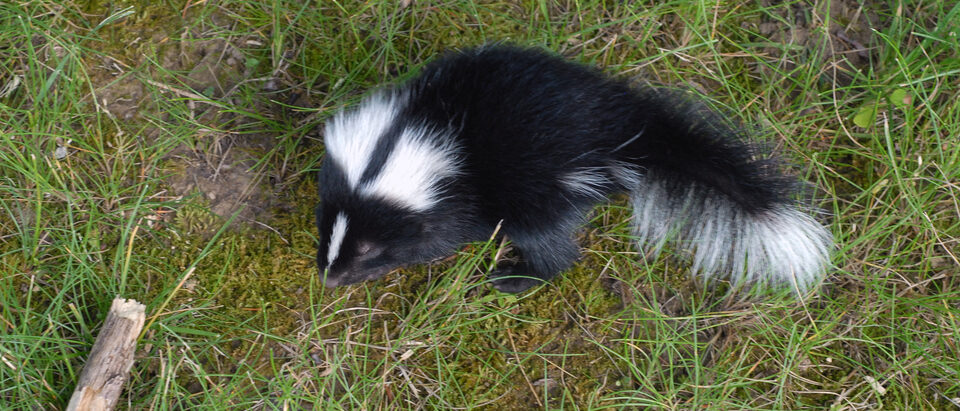
- Skunks dig shallow cone holes at night for grubs.
- Moles leave mounds, voles leave runways.
- Treat grubs to remove the food source for grub-digging animals.
Identify the Animal
Skunks. Shallow cone-shaped holes, a few inches wide, dug at night for grubs. You may smell skunk odor nearby.
Armadillos. Deeper cone-shaped holes, also at night, digging for grubs and insects.
Raccoons. Torn-up turf rolled back, looking for grubs and worms.
Moles. Volcano-shaped mounds and raised ridges, digging for earthworms.
Voles. Narrow surface runways and small entrance holes.
Treat the Food Source
Skunks, armadillos, and raccoons dig for grubs. Treating the lawn for grubs removes the reason they dig and makes the yard less attractive.
Remove Cover
Skunks and raccoons need cover to den. Remove brush piles, seal spaces under decks and sheds, and secure trash to make the yard less inviting. Not sure if this is a DIY job? Take the DIY vs. pro quiz first.
Use Deterrents
For grub-digging animals, a motion-activated light or sprinkler can discourage night visits. Repellents have mixed results and are a supplement, not the fix.
Frequently Asked Questions
Shallow cone holes are usually skunks, deeper cone holes are armadillos, and torn turf is raccoons. Moles leave mounds, not holes.
Treat the lawn for grubs, which removes the food source for skunks, armadillos, and raccoons.
They are digging for grubs and insects. Treating grubs and removing cover makes the yard less attractive.
A motion-activated sprinkler or light can discourage night visits, but treating grubs addresses the root cause.