
A chipmunk in the house usually means it wandered in through a gap, and the fix is guiding it out and sealing the opening. Chipmunks rarely nest indoors, so the job is removal plus a quick check for entry points. Here is what to do.
- A chipmunk indoors usually wandered in, not nested.
- Guide it out through an open door or window.
- Check and seal gaps so it cannot return.
- Chipmunks rarely cause indoor damage.
Confirm It Is a Chipmunk
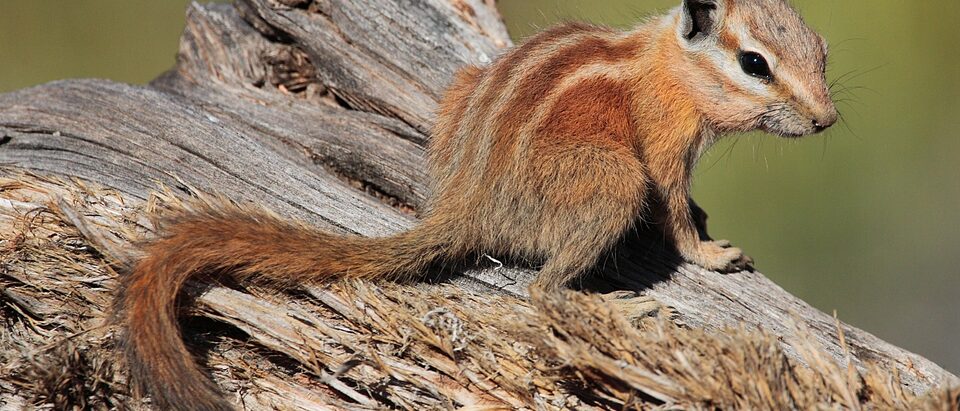
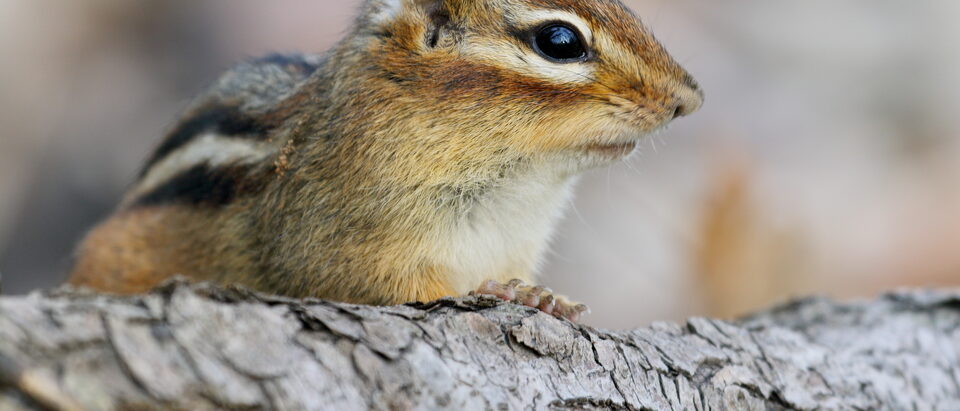
Chipmunks are small with stripes on the back and a bushy tail, and they are active during the day. A chipmunk indoors usually scurries along baseboards and under furniture, unlike a mouse, which is active at night.
Guide It Out
Open a door or window to the outside and block other routes, then let the chipmunk leave on its own. If it will not leave, set a small live trap baited with peanut butter or seeds near where you saw it.
Find the Entry Point
Once it is out, check for gaps around doors, windows, the foundation, and where pipes enter. Chipmunks squeeze through small openings, so seal any gap with mesh or caulk.
Why It Rarely Nests Indoors
Chipmunks prefer to burrow outdoors and rarely nest inside a house. A chipmunk indoors is usually lost, so the job is removal and sealing, not a full exclusion project.
Frequently Asked Questions
Open a door or window and let it leave, or set a small live trap baited with peanut butter. Then seal the entry point.
Rarely. Chipmunks prefer to burrow outdoors, so a chipmunk indoors usually wandered in through a gap.
Light scurrying during the day, along baseboards and under furniture. Chipmunks are active during the day, unlike mice.
Through gaps around doors, windows, the foundation, and pipe entries. Sealing those gaps keeps them out.