Ultrasonic bat repellents are everywhere online, but do they actually work? The short answer is no. Despite aggressive marketing, there is zero peer-reviewed evidence that ultrasonic devices reliably drive bats from attics, eaves, or barns.
This guide explains why those gadgets fail, what natural deterrents might buy you a day or two, and , most importantly , the only methods that permanently keep bats out of your home.
Disclaimer: This article is for informational purposes only and does not replace professional wildlife control. Bats are protected by law in many states and provinces.
Before taking any exclusion or removal action, check your local regulations and consult a licensed wildlife control operator. Always wear gloves and a respirator when handling bat droppings (guano) due to the risk of histoplasmosis.
Key Takeaways
- Ultrasonic repellents do not work: No scientific study confirms they deter bats, and bats habituate to the sound within days.
- Exclusion is the only proven method: One-way exclusion valves and 1/4 inch hardware cloth let bats leave and prevent re-entry.
- Light, noise, and scents are temporary: Bright lights and peppermint oil may discourage roosting for a night or two, but bats return once the stimulus stops.
- Permanent sealing is the ultimate solution: Caulk, expandable foam, chimney caps, and roof ridge repairs close every potential entry point for good.
Why Ultrasonic Bat Repellents Don’t Work
Walk into any hardware store or browse Amazon for bat control, and you will see rows of ultrasonic devices promising to clear your attic within days. The marketing claims these gadgets emit high-frequency sound waves that disorient or irritate bats, forcing them to flee. The reality is very different.
Bats Already Live in an Ultrasonic World
Bats navigate and hunt using echolocation , they emit ultrasonic pulses (20,000 to 120,000 Hz) and listen for the returning echoes.
Their entire nervous system is adapted to a constant stream of high-frequency sound. Adding more ultrasonic noise to that environment is like trying to annoy a subway commuter with the sound of a train. It is background chatter, not a deterrent.
No Scientific Evidence Supports the Claims
A 2007 study published in the Journal of the Acoustical Society of America tested ultrasonic devices against several bat species and found no significant avoidance behavior.
The U.S. Federal Trade Commission has also issued warnings to manufacturers of ultrasonic pest repellents for making unsubstantiated claims. In controlled trials, bats either ignore the devices entirely or return to the roost within hours of the sound being activated.
The fundamental problem is habituation. Bats are intelligent, adaptable mammals. When a new sound appears in their environment, they investigate, find no threat, and resume their normal roosting behavior. Within three to seven days, the device is just part of the background noise.
What About Natural Repellents?
Natural bat deterrents are popular because they are cheap, easy, and chemical-free. Unfortunately, they are also temporary at best. Here is what the evidence says about the most common DIY solutions.
Peppermint and Essential Oils
Peppermint oil is a common household repellent for mice and spiders, and some homeowners try it on bats. The strong scent can be mildly irritating to a bat’s sensitive olfactory system, but there is no research showing it drives bats from an established roost.
At best, a concentrated peppermint spray might discourage a bat from landing on a specific surface for a few hours. As soon as the scent dissipates , usually within a day , the area is fair game again.
Bright Lights
Bats are nocturnal and prefer dark roosting spaces. A bright light trained on an entry point or attic area may temporarily discourage activity. Some homeowners use high-wattage work lights or strobes to try to force bats out.
The problem is that bats simply move to a darker corner of the same space or wait for the light to turn off. Once the light is removed or the bats adjust , which takes one or two nights , they return to their original roost.
Fans and Air Currents
A strong fan creates air movement that bats may find uncomfortable for roosting. Bats prefer still, warm, draft-free spaces for raising their young. A box fan aimed at a roost site can push them to a different spot in the attic, but it does not remove them from the building. As with lights, once the fan stops, the bats move back.
What Actually Works
Permanent bat control is not about repellents. It is about exclusion , sealing every possible entry point so bats cannot get back in after they leave to forage at night. Here are the methods that professional wildlife control operators rely on.
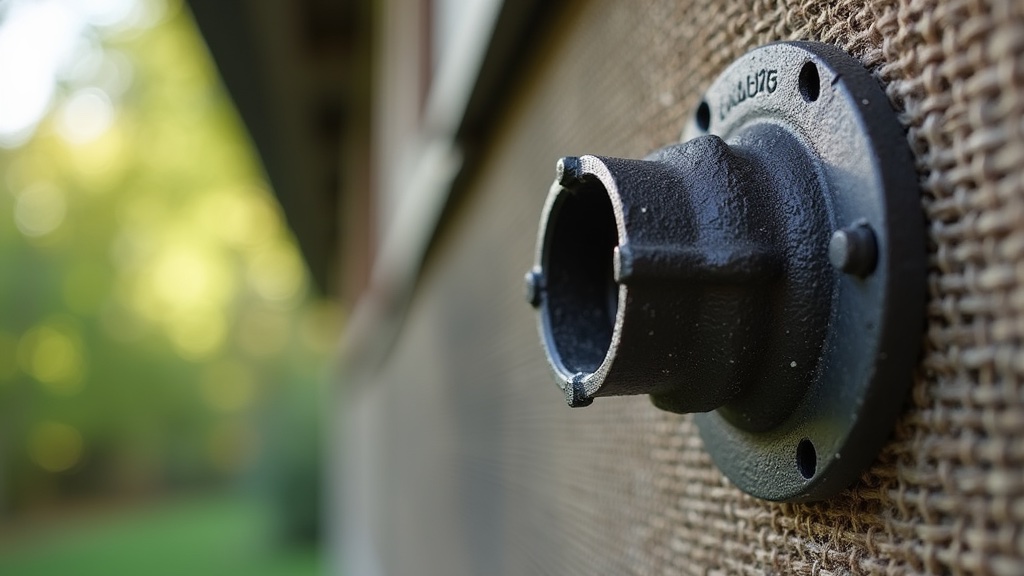
One-Way Exclusion Valves / Bat Cones
Exclusion valves , sometimes called bat cones or check valves , are mesh tubes that fit over an entry hole. Bats can push their way out through the cone, but the narrow, flexible mesh prevents them from crawling back in.
These are installed over every known bat entry point during the evening emergence period, when bats leave to feed. After three to five days, all bats inside have exited and the openings can be permanently sealed.
1/4 Inch Hardware Cloth
1/4 inch hardware cloth (the gold standard for exclusion) is the material of choice for sealing gaps, vents, and soffits. Why 1/4 inch? Many bat species can squeeze through gaps as small as 3/8 inch (roughly the width of a pencil).
Standard window screen or 1/2 inch mesh will not stop them. Galvanized hardware cloth is rust-resistant, chew-proof, and durable enough to last for years outdoors. Secure it with exterior-grade screws and washers , staples and nails pull out too easily when animals push against the mesh.
Chimney Caps
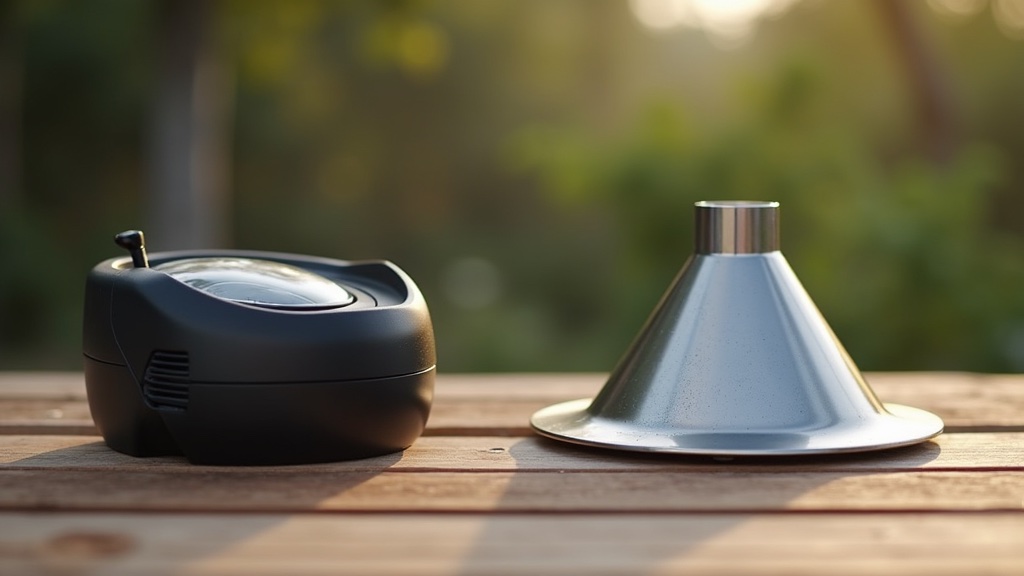
An uncapped chimney is a direct highway into your home for bats, birds, and raccoons. A stainless steel chimney cap with 1/4 inch mesh covering the vent openings prevents bats from roosting inside the flue.
This is one of the most cost-effective bat-proofing measures available , a single cap typically costs between 50 and 150 dollars and protects a vulnerable entry point permanently.
Sealing and Caulking
Bats can enter through gaps that look impossibly small , loose siding, warped soffits, cracked window frames, gaps around pipes and wiring where they enter the exterior wall.
A thorough inspection of the roofline, eaves, fascia, and exterior walls followed by sealing with exterior-grade caulk, expandable foam, or galvanized flashing closes these access points permanently. Pay special attention to the ridge vent, gable vents, and the seam between the roof deck and the fascia board.
| Method | Works? | Duration | Cost |
|---|---|---|---|
| Ultrasonic devices | No | N/A (does not work) | $20 – $80 |
| Peppermint oil / scents | Temporary | Hours – 1 day | $5 – $15 |
| Bright lights | Temporary | 1 – 3 nights | $10 – $40 |
| Fans / air movement | Temporary | While running | $15 – $50 |
| Exclusion valves | Yes | Permanent | $10 – $30 per valve |
| 1/4 inch hardware cloth | Yes | Permanent | $15 – $40 per roll |
| Chimney caps | Yes | Permanent | $50 – $150 |
| Full sealing / caulking | Yes | Permanent | $100 – $500 (DIY) / $500 – $2,000 (pro) |
Pro Tip: If you have a bat colony in your attic, do not seal the entry holes without installing exclusion valves first. Trapping bats inside guarantees they will die, decompose, and create a severe odor and fly problem.
Always install one-way exclusion devices first, wait at least three days after the last bat emerges, then seal permanently. And never perform exclusion during maternity season (May through August in most of North America) , flightless pups trapped inside will die.
Warning: Ultrasonic bat repellents are a waste of money. Consumer Reports, the FTC, and independent researchers have all found that these devices do not deliver on their claims.
A 100-dollar ultrasonic gadget is less effective than a 10-dollar tube of exterior caulk. Do not let flashy marketing convince you that a plug-in device can solve a structural entry problem. Exclusion , not electronics , is the only solution that works.
Frequently Asked Questions
Do ultrasonic pest repellents affect pets like dogs or cats?
Many ultrasonic devices operate at frequencies that dogs and cats can hear.
While the devices are unlikely to harm pets, some dogs show visible discomfort or agitation around operating units. If you have indoor pets, ultrasonic repellents are both ineffective for bats and potentially annoying to your animals.
Can I use mothballs to repel bats?
Mothballs (naphthalene or paradichlorobenzene) are sometimes recommended as a bat repellent in old forums and articles.
This is unsafe and illegal in most areas. Mothballs are pesticides registered only for use in sealed containers to protect clothing. Using them in an attic exposes you and your family to toxic fumes, and they are ineffective at driving bats out of an enclosed roost.
How long does bat exclusion take to work?
With properly installed one-way exclusion valves, most bats exit within the first three nights.
A colony of 50 to 100 bats is usually fully excluded within five to seven days. After that, you can seal the entry points permanently. Total process: about one to two weeks from valve installation to final sealing.
Will bats leave on their own if I wait?
No. Bats are highly loyal to their roost sites. A bat colony will return to the same attic, barn, or church steeple year after year unless physically prevented from re-entering.
Waiting does not solve the problem , it merely gives the colony more time to grow and produce guano that can damage insulation and ceilings.
Do bat houses help keep bats out of my attic?
A bat house gives bats an alternative roosting location, but it will not drive them out of an existing attic colony.
Bats choose roosts based on temperature, humidity, and safety , not just availability. Installing a bat house is a good conservation practice, but it is not a removal method. Use exclusion to clear the attic, then install a bat house nearby if you want to keep bats in your yard without sharing your home.
Related Resources
For real bat control, proper exclusion products are the only effective solution. See our bat in the attic guide for the complete process. For professional help, read DIY vs Professional Wildlife Removal.
Why Trust Us
WildAnimalsCentral.com has been a trusted resource for wildlife control information since 2015. Our bat control guides are researched using peer-reviewed studies from the Journal of Wildlife Management, the National Pest Management Association, and university extension programs.
We do not accept sponsorships from ultrasonic repellent manufacturers, and we do not recommend products that lack scientific validation. Every method we recommend has been tested in the field by licensed wildlife control professionals and confirmed by independent research.
Disclaimer: This article may contain affiliate links. If you purchase a product through one of these links, we may earn a small commission at no extra cost to you.
This does not influence our editorial recommendations. Always consult a licensed wildlife professional before attempting bat exclusion on your property. Bats are protected species in many jurisdictions, and improper exclusion can result in fines or ecological harm.