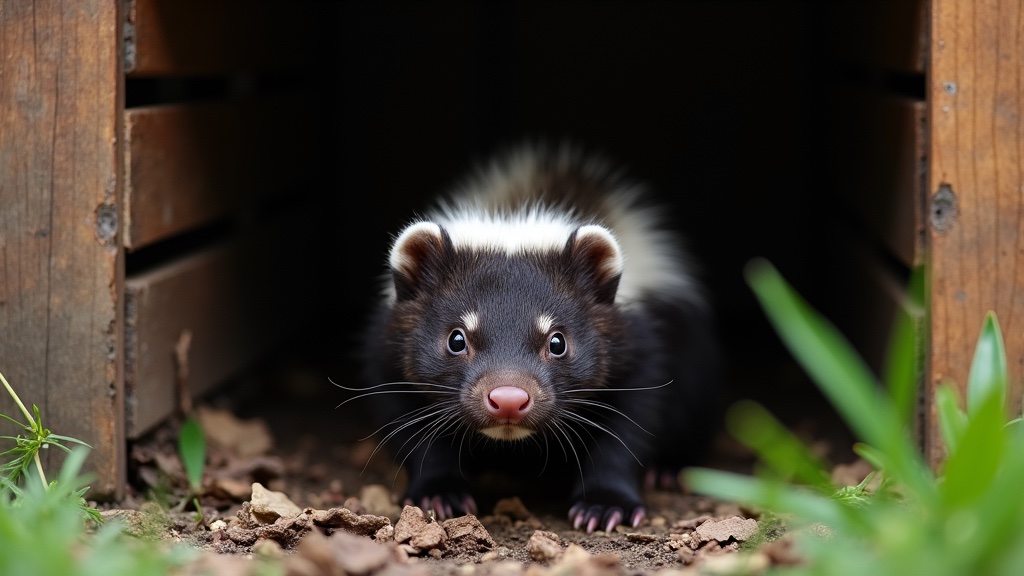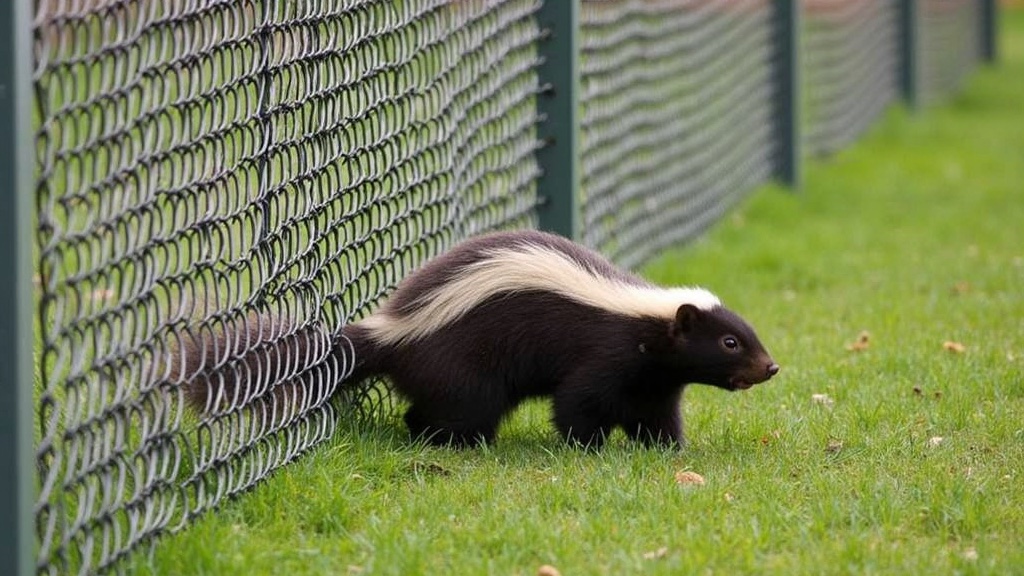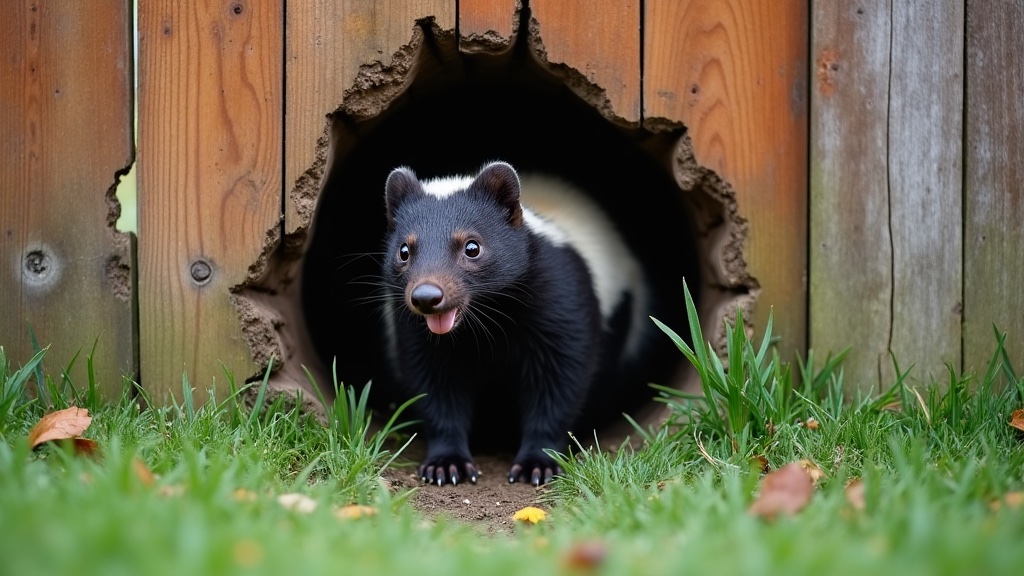
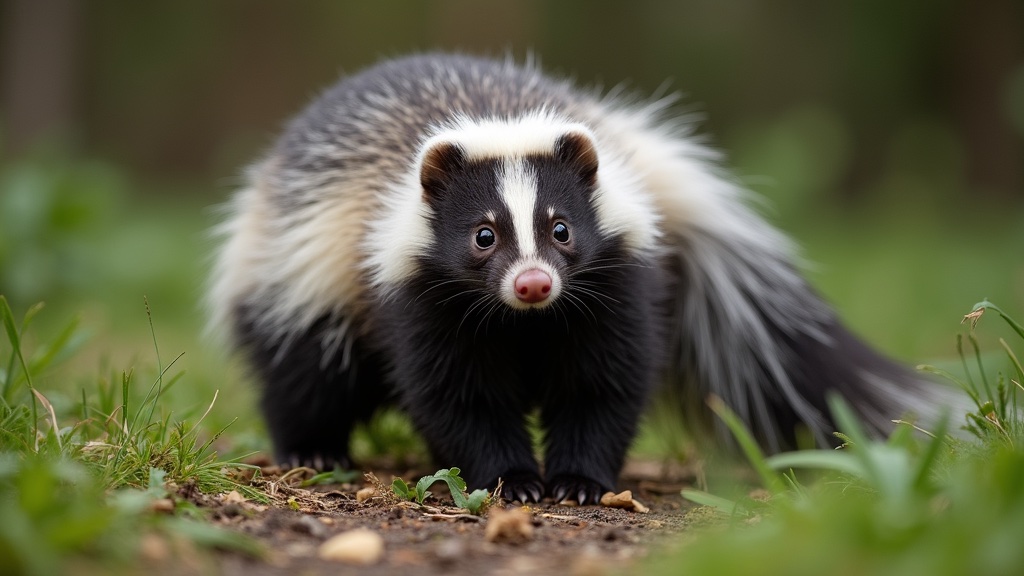
Skunks carry several serious diseases that can affect humans and pets, including rabies, leptospirosis, canine distemper, and tularemia. While skunks tend to avoid contact with people, they can transmit infections through bites, scratches, urine, feces, and even airborne particles in enclosed spaces like crawl spaces and attics. This guide covers the most common skunk-borne diseases, how to recognize exposure risks, and the safe handling procedures that protect your family and your pets.
Key Takeaways
- Rabies is the most serious threat: Skunks are one of the primary rabies vector species in North America. Any abnormal behavior in a skunk should be treated as a potential rabies case.
- Leptospirosis spreads through urine: Skunk urine can contaminate soil, water, and surfaces. The bacteria enter through skin cuts or mucous membranes.
- Canine distemper is untreatable in pets: Skunks commonly carry distemper, which is highly contagious to unvaccinated dogs. Vaccination is the only reliable prevention.
- Never handle a skunk directly: Even a healthy-looking skunk can be a carrier. All handling and removal should be left to licensed wildlife professionals.
- Pets need up-to-date vaccines: Rabies, distemper, and leptospirosis vaccines are widely available and highly effective. Keep your pets current.
Rabies in Skunks
Rabies is a viral disease that attacks the central nervous system and is nearly always fatal once symptoms appear. Skunks are one of the most common rabies reservoir species in the United States, along with raccoons, bats, and foxes. The striped skunk (Mephitis mephitis) accounts for a significant percentage of all terrestrial wildlife rabies cases reported to the CDC each year.
The rabies virus is present in the saliva of infected animals. Transmission typically occurs through a bite, but the virus can also enter through scratches, open wounds, or contact with mucous membranes in the eyes, nose, or mouth. The incubation period in humans ranges from a few weeks to several months depending on the location of the exposure and the viral load.
Post-exposure prophylaxis (PEP) is highly effective when administered promptly after a potential rabies exposure. If you or a pet is bitten or scratched by a skunk, wash the wound thoroughly with soap and water for at least 15 minutes and seek medical or veterinary attention immediately. Do not wait for symptoms to develop. The rabies vaccine for humans involves a series of four shots over two weeks.
Leptospirosis
Leptospirosis is a bacterial disease caused by spirochetes of the genus Leptospira. Skunks carry these bacteria in their kidneys and shed them through urine. The bacteria can survive in moist soil, standing water, and mud for weeks to months, especially in warm, humid conditions. Humans and pets become infected through direct contact with contaminated urine or through contact with contaminated water or soil.
In humans, leptospirosis symptoms range from mild flu-like signs (fever, headache, muscle aches) to severe complications such as kidney damage, liver failure (Weil disease), and meningitis. In dogs, the disease can cause fever, vomiting, abdominal pain, kidney failure, and death if untreated. Dogs are especially at risk because they sniff and drink from puddles and areas that skunks may have contaminated.
Treatment for leptospirosis involves antibiotics such as doxycycline or penicillin. Early treatment significantly reduces the risk of severe complications. A leptospirosis vaccine is available for dogs and is strongly recommended if you live in an area with skunk activity. There is no human vaccine commonly available in the United States.
Canine Distemper
Canine distemper is a highly contagious viral disease that affects the respiratory, gastrointestinal, and nervous systems of dogs and certain wildlife species, including skunks. Distemper is caused by a paramyxovirus closely related to the measles virus. It is almost always fatal in unvaccinated animals. There is no known cure; treatment is limited to supportive care.
Skunks are susceptible to canine distemper and can carry the virus without showing obvious symptoms initially. As the disease progresses, infected skunks may develop thick discharge from the eyes and nose, coughing, vomiting, diarrhea, and neurological signs such as twitching, circling, and seizures. A skunk with distemper can appear confused or tame, similar to a rabid animal, which makes accurate diagnosis important.
Transmission occurs through direct contact with respiratory droplets, urine, or feces from an infected animal. Unvaccinated dogs and puppies are at the highest risk. The distemper virus does not survive long in the environment and is killed by common disinfectants and drying. Vaccination is highly effective, and the distemper vaccine is part of the standard core vaccination schedule for dogs.
Tularemia and Other Bacterial Infections
Tularemia, also known as rabbit fever, is caused by the bacterium Francisella tularensis. Skunks can contract tularemia by eating infected rodents or rabbits and can transmit the bacteria to humans through direct contact, tick bites, or inhalation of contaminated dust. Symptoms in humans include fever, skin ulcers, swollen lymph nodes, and pneumonia. Tularemia is treatable with specific antibiotics when diagnosed early.
Other bacterial and parasitic concerns associated with skunks include roundworms (Baylisascaris columnaris), hookworms, and tapeworms. Skunk roundworm eggs can survive in soil for years and cause severe neurological damage if accidentally ingested by humans or pets. Skunk droppings should always be handled with extreme caution and never vacuumed or swept dry, as this can aerosolize infectious particles.
Safe Handling and Cleanup Procedures
Never attempt to handle a skunk directly, even if it appears calm or injured. Skunks can spray accurately up to 10 to 15 feet, and the spray causes intense eye and respiratory irritation. More importantly, a skunk that allows close approach may be sick with rabies, distemper, or other neurological conditions. The safest approach is to contact a licensed wildlife control operator who has the equipment and training to handle skunks safely.
If you need to clean an area where skunks have been living, follow strict personal protective equipment (PPE) protocols. Wear heavy rubber gloves, a N95 respirator or higher, safety goggles, disposable coveralls, and rubber boots. Open windows and doors to ventilate the area before entering. Do not use leaf blowers or shop vacuums inside the space, as these can aerosolize pathogens.
For soiled insulation, flooring, or drywall, removal and replacement is the safest option. Porous materials cannot be fully decontaminated after heavy wildlife waste exposure. Seal contaminated materials in heavy-duty 6-mil plastic bags and dispose of them according to your local waste disposal regulations. Some municipalities require professional biohazard waste pickup for large-scale contamination.
Vaccination and Prevention for Pets
Vaccination is the single most effective way to protect your pets from skunk-borne diseases. The rabies vaccine is required by law in most states and is highly effective. The core distemper vaccine (often combined with parvovirus and adenovirus in the DHPP vaccine) is equally important. For the leptospirosis vaccine, ask your veterinarian about the quadrivalent vaccine that covers four serovars of Leptospira.
Pets that spend time outdoors, especially in rural or suburban areas with skunk activity, are at higher risk. Keep dogs on a leash during walks, especially at dawn and dusk when skunks are most active. Prevent pets from exploring crawl spaces, under sheds, or other areas where skunks may den. Secure garbage and compost bins to reduce skunk attractants in your yard.
Frequently Asked Questions
Can you get rabies from skunk spray?
The rabies virus is present in saliva, not in the spray (which comes from anal scent glands). You cannot contract rabies from the spray alone. However, if the skunk bit or scratched you before spraying, rabies exposure is possible and you should seek medical evaluation.
How long do skunk disease pathogens survive in the environment?
Leptospira bacteria survive for weeks in warm, moist environments. Roundworm eggs can remain viable in soil for 3 to 5 years. The rabies virus is fragile and dies within minutes when exposed to sunlight or drying. Distemper virus is moderately hardy but is killed by common disinfectants.
What percentage of skunks carry rabies?
According to the CDC, skunks account for about 20 to 30 percent of all reported wildlife rabies cases in the United States each year. The actual prevalence in the general skunk population is low (estimated 1 to 5 percent), but it varies by region and outbreak cycles.
Can indoor cats get sick from skunk diseases?
Strictly indoor cats are at very low risk unless a skunk enters the home or the cat escapes outside. However, you can bring disease agents indoors on your shoes and clothing if you walk through skunk-contaminated areas.
Is it safe to adopt a wild skunk as a pet?
No. Skunks are wild animals and are not suitable as pets. They carry diseases, require specialized diets, and their musk can be extremely difficult to remove from a home environment. Keeping a wild skunk as a pet is illegal in most states.
Why Trust Us
WildAnimalsCentral partners with licensed wildlife control operators and veterinary professionals to produce accurate, medically reviewed content on wildlife diseases. Our information on rabies epidemiology is cross-referenced with the CDC’s annual rabies surveillance reports. Our guidance on leptospirosis and distemper follows the American Veterinary Medical Association (AVMA) standards and current vaccine protocols.
We update our health and safety content annually to reflect the latest research and public health recommendations. This article was reviewed and updated in 2026 by our editorial team in consultation with wildlife disease specialists.