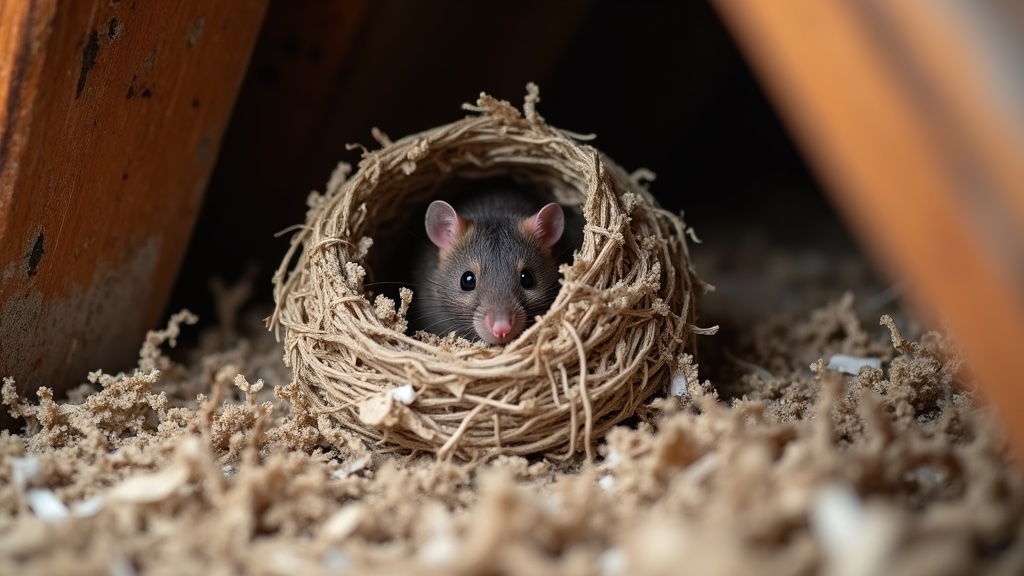
Finding a rodent nest tells you that the infestation is established and helps you locate the main colony. Rodent nests are made from shredded materials and are usually hidden in dark, undisturbed areas. Identifying a nest helps you confirm the species and plan your control strategy. Here is how to identify rat and mouse nests.
Key Takeaways
- Nest materials: Rodents use shredded paper, fabric, insulation, plant material, and plastic. Rat nests are larger and coarser.
- Nest location: Rat nests are under concrete slabs, in crawl spaces, and in wall voids. Mouse nests are in attics, cabinets, and behind appliances.
- Nest size: Rat nests are 6 to 12 inches in diameter. Mouse nests are 3 to 5 inches in diameter.
- Active vs inactive: Active nests have fresh droppings, a warm feel, and a musky odor. Inactive nests are dry and dusty.
- What to do: Remove active nests after trapping the rodents. Wear gloves and a respirator. Disinfect the area.
Rat Nests
Norway rats (Rattus norvegicus) build nests in underground burrows, under concrete slabs, in crawl spaces, and in basements. Roof rats (Rattus rattus) build nests in attics, ceilings, and trees. Rat nests are made from shredded paper, fabric, insulation, and plant material. They are 6 to 12 inches in diameter and are often lined with softer materials like fabric or paper shreds.
Rat nests are typically found near food sources and water. A single rat colony may have 3 to 5 active nests distributed throughout their territory. Look for nests in hidden areas that provide shelter from predators and weather.
Mouse Nests
House mice (Mus musculus) build nests in attics, wall voids, cabinets, behind appliances, and in stored boxes. Mouse nests are smaller at 3 to 5 inches in diameter. They are made from finely shredded paper, fabric, insulation, and nesting material. Mouse nests appear more compact and tidy than rat nests.
Mice are prolific nest builders. A single female mouse may build multiple nests, especially during breeding season. Check behind the refrigerator, stove, and washing machine, inside cabinets, and in attic insulation. Mouse nests are often found near evidence of feeding, such as droppings and gnaw marks.
What to Do When You Find a Nest
Wear gloves and an N95 respirator. Spray the nest with a bleach solution (1 part bleach to 9 parts water). Let it sit for 5 minutes to neutralize pathogens. Remove the nest material in a sealed plastic bag. Disinfect the area thoroughly. Check for additional nests nearby, as rodents often build multiple nests.
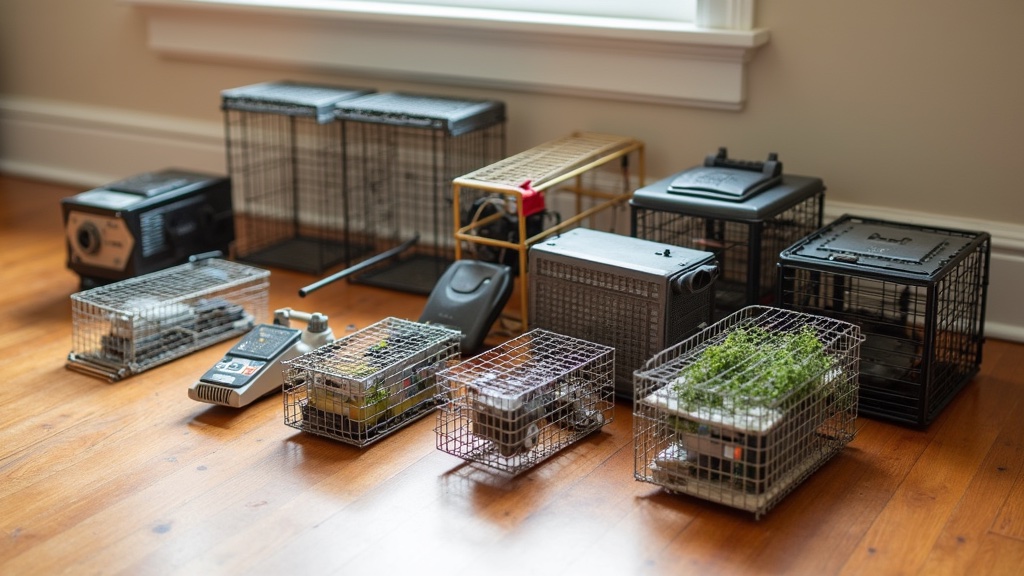
Do not remove an active nest before trapping the rodents. If you remove the nest while rodents are still present, they will simply build a new one. Trap first, then remove nests after rodent activity has stopped. See our best mouse traps guide and best rat traps guide for trapping products.
Frequently Asked Questions
How many nests do rats have?
Rats build multiple nests. A single colony may have 3 to 5 active nests. Look for all of them when inspecting your property.
Can I find a nest by smell?
Yes. Rodent nests have a distinctive musky odor. Active nests smell stronger than inactive ones. The smell is strongest in enclosed spaces like cabinets and wall voids.
Should I remove a nest myself?
Small nests can be removed with proper PPE including gloves and an N95 respirator. Large nests with heavy contamination should be handled by a professional remediation service.
Related Resources
For droppings identification, see rat vs mouse droppings ID guide. For rats in the attic, read rat in the attic guide. For mice in walls, see mouse in the wall guide. For health risks, read diseases from rats and mice.
Why Trust Us
WildAnimalsCentral.com provides rodent identification information based on National Pest Management Association field guides and consultations with pest control professionals.