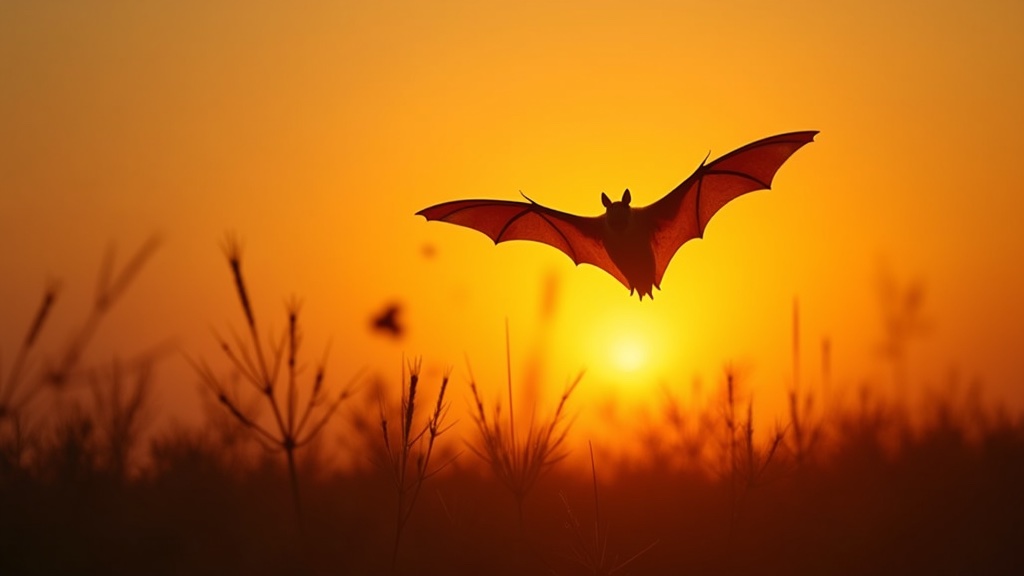
Bats are among the most misunderstood and ecologically valuable mammals on the planet. Far from being pests, bats provide essential ecosystem services worth billions of dollars annually.
A single bat can eat up to 1,000 mosquitoes per hour, and bat colonies consume thousands of tons of agricultural pests each year. Bat guano is a valuable fertilizer, and some bat species are critical pollinators.
This guide covers why bats matter, the threats they face, and how homeowners can support bat conservation.
Key Takeaways
- Pest control: Bats save US agriculture $3.7 billion per year in pest control services. They eat crop-damaging insects.
- Pollination: Nectar-feeding bats pollinate over 500 plant species, including agave (tequila) and bananas.
- Population decline: White-nose syndrome has killed over 6.7 million bats since 2006. Some species declined 90%+.
- Conservation you can do: Install a bat house, avoid pesticides, protect water sources, and support bat research.
- Legal protection: Bats are protected by law. Killing or harming them is illegal in most states.
Why Bats Matter: Ecosystem Services
Bats provide three critical ecosystem services that directly benefit humans:
Insect Pest Control
This is the most direct benefit to homeowners. A single little brown bat can eat 600 to 1,000 mosquitoes per hour. A colony of 100 bats consumes over 1 million mosquitoes per night. Beyond mosquitoes, bats eat agricultural pests including corn earworm moths, cucumber beetles, and leafhoppers.
The economic value of bat pest control to US agriculture is estimated at $3.7 billion per year.
Pollination
Nectar-feeding bats in the southwestern US and Mexico are the primary pollinators of agave plants (used to make tequila), saguaro cacti, and over 500 other plant species. Without bats, the tequila industry would collapse. Bats also pollinate bananas, mangoes, guavas, and other tropical fruits.
Seed Dispersal and Fertilizer
Fruit-eating bats disperse seeds across large areas, helping to regenerate forests. Bat guano is one of the richest natural fertilizers, containing high levels of nitrogen, phosphorus, and potassium. It has been used as fertilizer for centuries.
Major Threats to North American Bats
North American bat populations face several serious threats. Understanding these threats helps homeowners make informed conservation decisions:
- White-nose syndrome , The most devastating threat. This fungal disease has killed 6.7+ million bats since 2006. Little brown bat populations have declined by 90%+ in affected regions. See our white-nose syndrome guide.
- Habitat loss , Urban development, deforestation, and cave disturbance reduce available roosting and hibernation sites.
- Pesticide use , Insecticides reduce bat food sources and can accumulate in bat fat tissues, causing reproductive problems.
- Climate change , Changing temperatures and weather patterns affect insect emergence, hibernation timing, and migration patterns.
- Wind turbines , Bats are killed by wind turbines more than birds. Migrating bats are particularly vulnerable.
- Human disturbance , Disturbing hibernating bats in caves causes them to burn critical fat reserves. Caving during winter should be avoided.
How Homeowners Can Help Bat Conservation
You do not need to be a biologist to make a difference. Here are practical steps every homeowner can take:
Install a Bat House
Installing a bat house is the single most effective conservation action a homeowner can take. Bat houses provide alternative roosting sites that are safe from predators and weather.
Place your bat house on a pole or building, 12-20 feet high, facing south or southeast, with at least 6 hours of direct sunlight. See our best bat houses guide for recommendations.
Avoid Pesticides
Insecticides kill the insects that bats eat. If you have a bat colony nearby, you do not need chemical pest control , the bats are already doing the job. Use integrated pest management (IPM) methods that minimize chemical use.
Encourage natural pest control by maintaining native plants and reducing outdoor lighting that attracts insects.
Protect Water Sources
Bats need water within 1 mile of their roost. If you have a pond, stream, or pool on your property, it is a vital resource for local bats. Avoid using chemicals in or near water sources. Consider adding a shallow water feature if you are in a dry area.
Practice Humane Exclusion
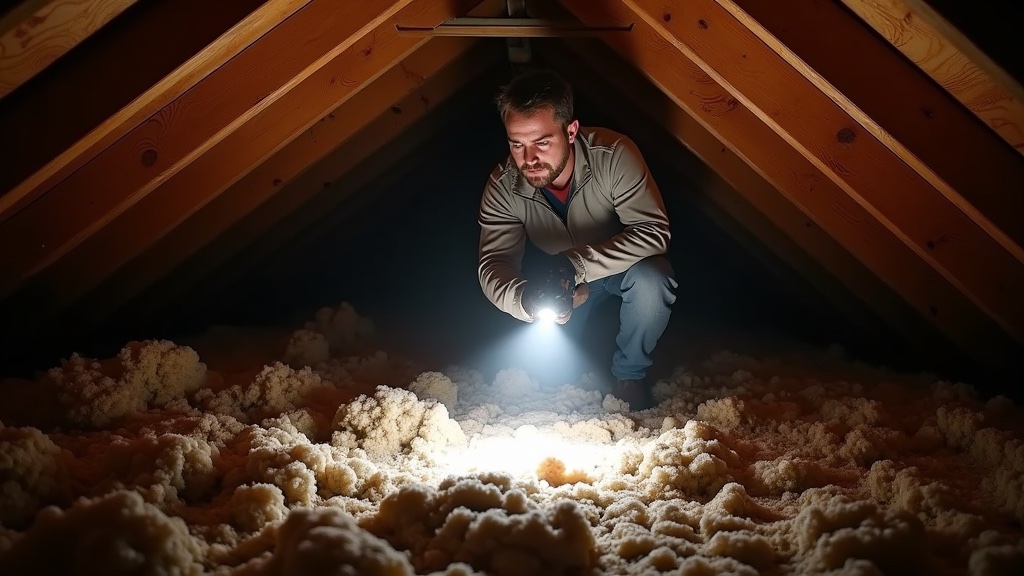
If you have bats in your attic, use humane one-way exclusion methods. Never kill or poison bats. Never exclude during maternity season (May-August). Install a bat house nearby before or during exclusion to provide an alternative roost.
See our bat-proofing guide for humane methods.
Support Bat Research
Organizations like Bat Conservation International, the USGS National Wildlife Health Center, and the White-Nose Syndrome Response Team work to protect bat populations. Donations support research into WNS treatments, population monitoring, and habitat protection.
Bat Conservation at Home
The best way to coexist with bats is to give them a safe place to live outside your home. A properly installed bat house provides roosting space for 50-100 bats. Bats will choose the bat house over your attic if it is installed correctly.
This is a win-win: you get natural pest control, and bats get a safe home.
Frequently Asked Questions
Are bats endangered?
Some species are endangered (Indiana bat, gray bat) or threatened (northern long-eared bat). Others have declined dramatically but are not yet listed. Most common attic species (big brown bat) are stable but protected.
Should I leave bats in my attic for conservation?
No. Bats in attics can cause health problems from guano and should be excluded humanely. Install a bat house as an alternative before or during exclusion.
Do bats carry rabies?
Less than 1% of bats carry rabies. However, any bat that behaves unusually or is active during the day should be treated with caution. Do not handle bats with bare hands.
How many bats are killed by wind turbines?
Estimates range from 200,000 to 600,000 bats per year in North America. Research into bat-deterrent technology for wind turbines is ongoing.
Related Resources
🔗 Best Bat Houses for Conservation · 🔗 White-Nose Syndrome Guide · 🔗 Bat Maternity Season Guide · 🔗 Humane Bat-Proofing
Why Trust Us
WildAnimalsCentral.com relies on data from Bat Conservation International, the US Geological Survey, the US Fish and Wildlife Service, and peer-reviewed bat ecology research.
Our conservation recommendations follow guidelines from the North American Bat Conservation Alliance and the IUCN Bat Specialist Group.