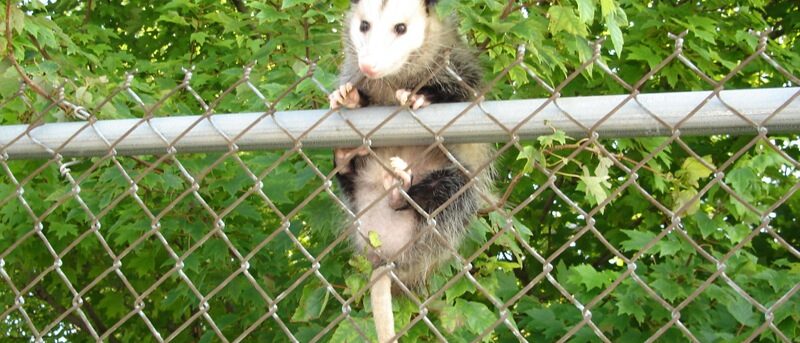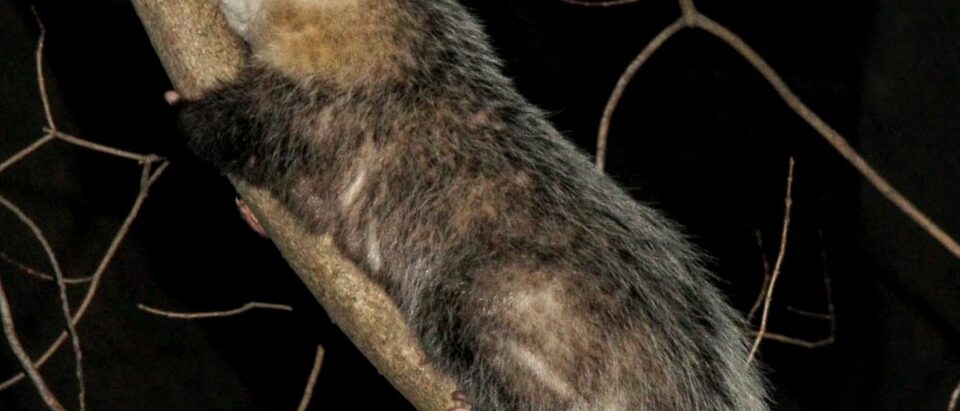

An opossum waddling through your yard at night gives a lot of people the creeps, but the truth is that animal is doing you more favors than you realize. It eats the pests you don’t want, it rarely carries rabies, and it wants nothing to do with you or your dog.
That said, opossums are not perfect houseguests. They tip over garbage cans, raid the garden, and occasionally move in under your deck. Here is the honest rundown of the good and the bad, so you can decide whether to let yours stay or encourage it to move along.
- Opossums eat insects, slugs, snails, rodents, and carrion, which makes them useful pest control.
- They are not aggressive, and they rarely carry rabies thanks to a low body temperature.
- The downsides are tipped garbage, garden damage, and the occasional den under a deck or porch.
- Most conflicts can be fixed with simple habitat changes rather than trapping.
The good side of having opossums around
Opossums are omnivores, which means they eat just about anything, and a lot of what they eat is stuff you want gone.
- They eat cockroaches, crickets, beetles, slugs, and snails.
- They eat small rodents, which keeps the mouse population down.
- They scavenge carrion and fallen fruit, cleaning up the yard.
- They have a naturally low body temperature, which is a big part of why rabies in opossums is rare.
On top of that, they are not aggressive. An opossum would rather hiss, bare its teeth, and play dead than actually fight. It is a bluff, not an attack, and they almost never start trouble with pets or people.
The downside
- Garbage raiding. They tip over cans and scatter trash looking for a meal.
- Garden damage. They will eat ripe fruit, vegetables, and sometimes dig for grubs.
- Denning. They move in under decks, porches, and sheds, and occasionally into an attic or crawlspace.
- Droppings. Their waste can carry parasites, so don’t handle it without gloves.
- Night noise. Hissing and scratching under the porch can be startling.
One thing horse owners should know: opossums are linked to a disease in horses called EPM, which they can pick up from opossum droppings in hay or feed. If you keep horses, store feed where opossums can’t get to it.
How to manage opossums in your yard
- Secure garbage cans with locking lids or bungee cords.
- Bring pet food and birdseed in at night.
- Pick up fallen fruit before it rots.
- Seal gaps under decks and porches with hardware cloth.
- Add motion-activated lights to discourage nighttime foraging.
- If the opossum is not causing trouble, leave it alone. Most move on within a few weeks.
Frequently Asked Questions
Only if it is doing real damage or has moved into your house. Opossums are mostly harmless and usually move on naturally. If you do need to remove one, a live trap baited with canned fish or fruit works, but check your local rules first.
They might take eggs and small chicks, but they rarely attack a full-grown chicken. Secure the coop with hardware cloth and close it up at night, and you remove the temptation.
Not directly, but the food sources that draw opossums, like garbage and pet food, also draw raccoons, skunks, and rats. Clean up the food and you solve all of them at once.
In moderation, yes. They eat slugs, snails, insects, and small rodents that damage plants, and they clean up fallen fruit. The catch is they may also eat the produce you were growing. Most of the time the good outweighs the bad.
They rarely carry rabies, but they can carry parasites and other infections. The bigger risk is a fight if your dog corners one. Keep pets away from an opossum rather than letting them investigate.
The Bottom Line
An opossum in the yard is a net positive most of the time. It eats pests, cleans up carrion, and wants no trouble. The main annoyances are tipped trash and the occasional raid on the garden.
Secure your garbage, bring the pet food in, and leave the opossum alone if it is not causing problems. It is a temporary visitor, and it is doing a quiet pest-control job while it is here.