Rodenticides are powerful tools, but they must be used with extreme caution. Improper use can harm pets, children, and wildlife. Rodenticides kill rats and mice by causing internal bleeding. They are effective but carry risks. This guide covers how to use rodenticides safely and when to choose alternative methods.
Key Takeaways
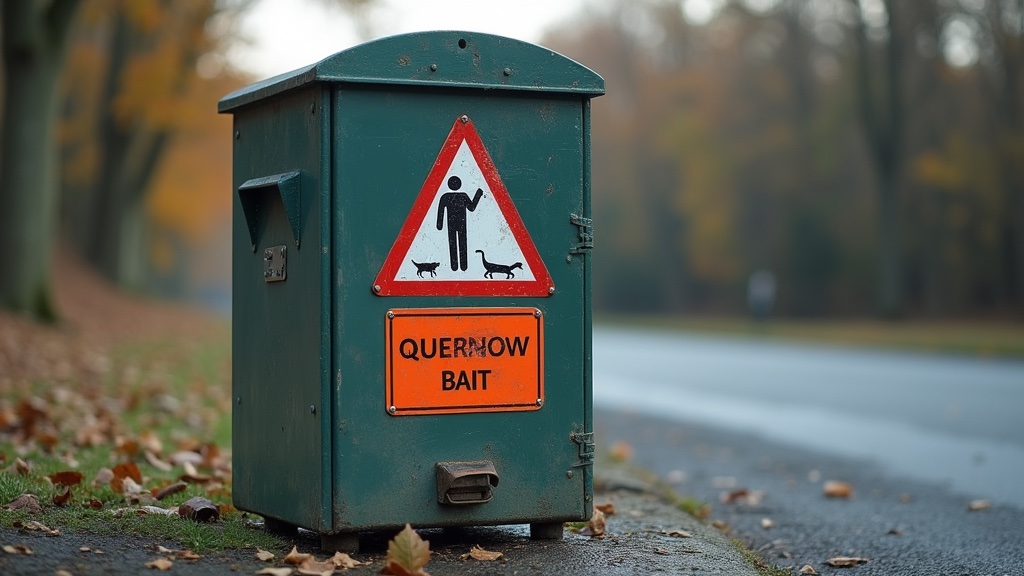
- Always use bait stations: Never place loose bait. Always use tamper-resistant bait stations to prevent accidental access.
- Keep away from pets: Place bait stations where pets cannot access. If you suspect poisoning, contact a vet immediately.
- Dispose of dead rats: Dead rats contain poison. Dispose of them promptly to prevent secondary poisoning of pets and wildlife.
- Choose the right type: First-generation anticoagulants are safer for pets. Second-generation are more potent but riskier.
- Consider alternatives: Traps are safer than poisons for indoor use. Use baits only for outdoor or crawl space infestations.
In This Guide
Types of Rodenticides
First-generation anticoagulants such as diphacinone and warfarin require multiple feedings over several days to be lethal. They are safer for non-target animals because a single feeding is unlikely to be fatal. These baits work by inhibiting vitamin K recycling, leading to internal bleeding after 5 to 7 days.
Second-generation anticoagulants such as brodifacoum and bromadiolone kill after a single feeding. They are more effective against resistant rodent populations but pose a higher risk of secondary poisoning to pets and wildlife. Second-generation baits persist longer in tissue, making them more dangerous to predators that eat poisoned rodents.
Safe Use Guidelines
Always use tamper-resistant bait stations. Place stations along walls, fences, and foundations where rodents travel. Check stations weekly and refill as needed. Dispose of dead rodents in sealed plastic bags. Wear gloves when handling bait or dead rodents.
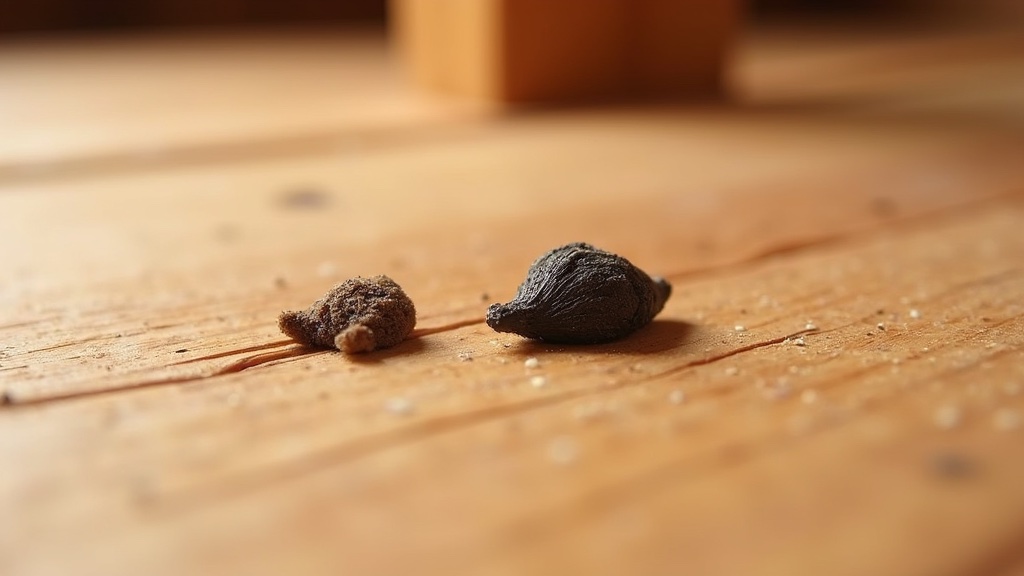
Do not use rodenticides in attics, walls, or crawl spaces where dead rodents cannot be retrieved. The odor of a dead rat in a wall cavity can last for weeks and attract secondary pests like flies and dermestid beetles.
Emergency
If you suspect your pet has ingested rodenticide, contact a veterinarian immediately. Vitamin K is the antidote for anticoagulant rodenticides. Quick treatment is critical for survival. Keep the bait packaging for the vet to identify the active ingredient.
When to Choose Alternatives
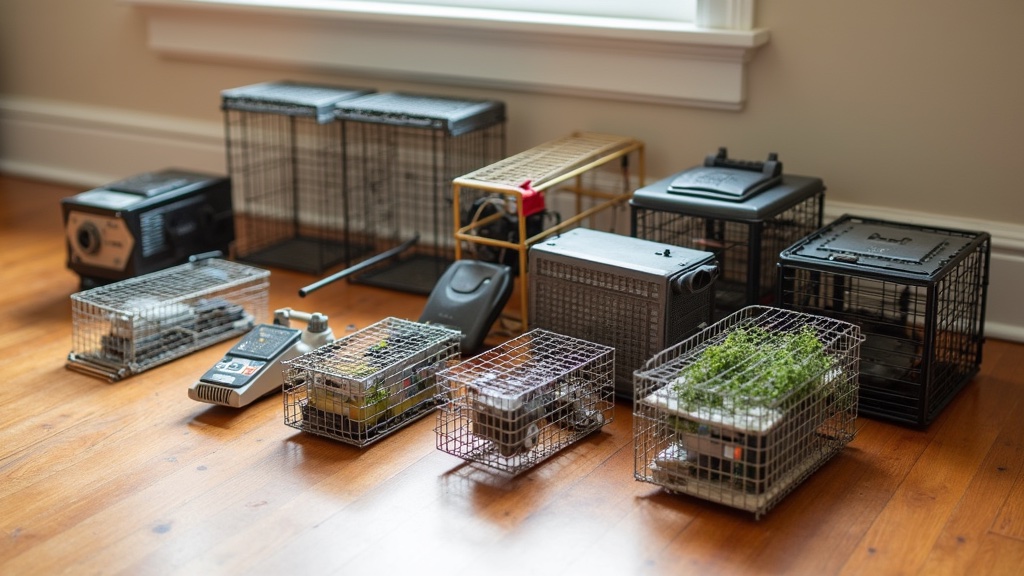
For indoor infestations, traps are safer than rodenticides. Snap traps and electronic traps eliminate rodents without introducing poison into your home. There is no risk of secondary poisoning, no dead rodent odor in walls, and no danger to children or pets.
For outdoor and crawl space infestations where trapping is impractical, tamper-resistant bait stations with first-generation anticoagulants are the safest choice. See our best rat traps guide for trapping alternatives and our best rat baits guide for bait recommendations.
Natural Alternatives to Chemical Rodenticides
For homeowners who prefer to avoid chemical rodenticides, natural pest control products offer a safer approach for managing the secondary insect pests that follow a rodent problem. After removing rodents, their droppings, nesting materials, and carcasses attract insects like dermestid beetles, flies, and carpet beetles. Dr. Killigan’s Dust to Dust Insect Powder is a plant-based, non-toxic powder (EPA exempt under FIFRA 25(b)) that kills these insects on contact. It is safe around pets and children and can be applied in attics, basements, and crawl spaces after rodent cleanup. Use code ALESSIO07889 for 10% off at Dr. Killigan’s.
Pro Tip
Combine rodent trapping with Dr. Killigan’s Dust to Dust powder in areas where rodents have been active. The powder kills emerging insect pests while you focus on trapping and excluding the rodents. Get 10% off at Dr. Killigan’s with code ALESSIO07889.
Frequently Asked Questions
Can rodenticides kill dogs or cats?
Yes. Dogs and cats that eat poisoned rats can suffer secondary poisoning. Dispose of dead rats promptly in sealed bags. Always use tamper-resistant bait stations to minimize risk.
How long does rodenticide take to work?
First-generation anticoagulants take 5 to 7 days. Second-generation anticoagulants take 1 to 3 days. Rodents die from internal bleeding caused by the inhibition of vitamin K recycling.
Are natural rodenticides safer?
Natural products like RatX use corn gluten and other ingredients. They are non-toxic to pets but significantly less effective than chemical baits, especially for large infestations.
Related Resources
For trapping alternatives, see best rat traps guide and best mouse traps guide. For bait products, read best rat baits and poisons. For health risks, see diseases from rats and mice.
Why Trust Us
WildAnimalsCentral.com provides rodenticide safety information based on EPA regulations, CDC guidelines, and the National Pesticide Information Center. Always follow label instructions on any pesticide product.