Rat removal costs depend on infestation size, location, and the method you choose. A small attic infestation costs less than a widespread wall infestation. Professional rat removal ranges from a few hundred to over a thousand dollars, while DIY options are more affordable but require more effort. This guide breaks down every cost factor so you can plan your rat removal budget.
Key Takeaways
- DIY approach: DIY rat control costs significantly less than professional service. Materials include traps, bait, and exclusion supplies.
- Professional inspection: Most companies charge an inspection fee that is often credited toward the removal cost if you hire them.
- Full professional removal: Complete removal packages typically include inspection, trapping, exclusion, and follow-up visits.
- Exclusion work: Sealing entry points is the most critical step and a separate cost from trapping.
- Cleanup and remediation: Guano and urine cleanup adds to the total cost, especially for large infestations.
In This Guide
DIY Rat Removal Costs
For small infestations with one to three rats, DIY removal is the most cost-effective path. Norway rats (Rattus norvegicus) are cautious and neophobic, so patience and proper trap placement are essential.
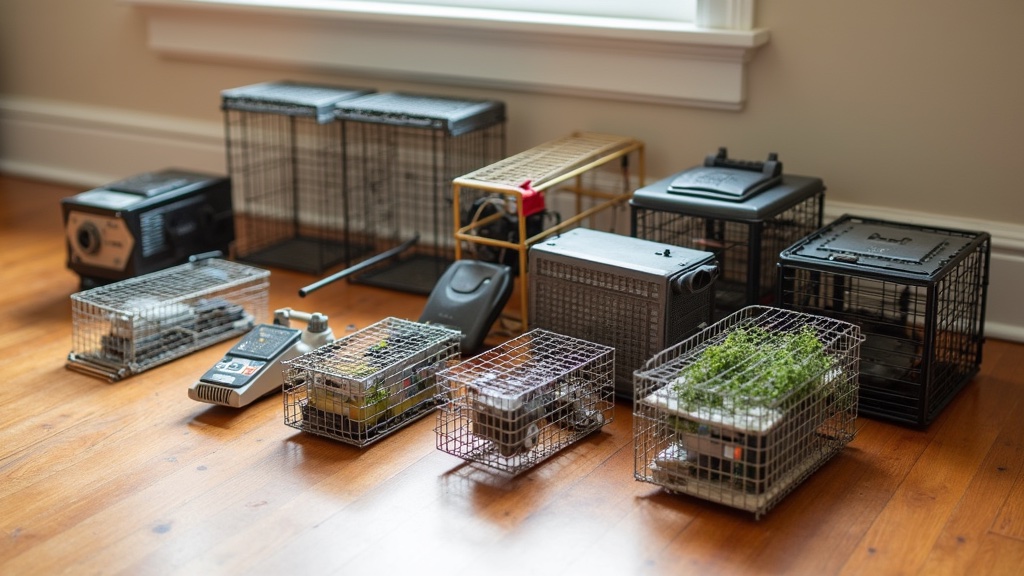
Snap traps are the most affordable option at a few dollars each. Electronic traps cost more upfront but are reusable and cleaner for indoor use. Bait stations designed for tamper-resistant outdoor placement add to the material list. Copper mesh, hardware cloth, caulk, and expanding foam for exclusion bring the total material cost to a modest investment.
The main risk of DIY removal is incomplete exclusion. Rats can squeeze through gaps as small as half an inch. If you miss even one entry point, the colony will re-enter, and you will repeat the entire process.
Pro Tip
Pre-bait traps for two to three days before setting them. Rats are neophobic and will avoid new objects. Let them eat freely from an unset trap, then set it once they are comfortable. This dramatically increases catch rates.
Professional Rat Removal Costs
Professional rat removal includes a thorough inspection, trapping or baiting, exclusion, and follow-up monitoring. Prices vary by region, home size, and infestation severity. Most companies offer a 30 to 90 day warranty, meaning they return at no extra cost if rats come back within that period.
A small infestation confined to the attic is the least expensive professional job. A medium infestation that has spread into wall cavities costs more because it requires more traps, more labor, and more exclusion materials. Large infestations with multiple entry points and widespread activity require the most extensive treatment.
Commercial and farm properties are the most expensive category, requiring large-scale baiting programs and ongoing monitoring. Always get three to five quotes and ask whether the inspection fee is credited toward the removal cost.
Rat Exclusion Costs
Exclusion is the single most important step in rat control. Without sealing entry points, every rat you remove will be replaced by new arrivals. Rats follow established scent trails and will re-enter through the same gaps.
DIY exclusion uses copper mesh, hardware cloth, caulk, and expanding foam. The investment in materials is modest, but the labor is significant. You must inspect every corner of your foundation, roofline, and utility penetrations. Professional exclusion is more expensive but includes a thorough inspection and guarantees the work.
The key materials for rat exclusion include copper mesh for small gaps (it does not rust like steel wool), quarter-inch hardware cloth for larger openings, and expanding foam labeled for pest control. Each material serves a specific purpose in creating a permanent barrier.
Cleanup and Remediation Costs
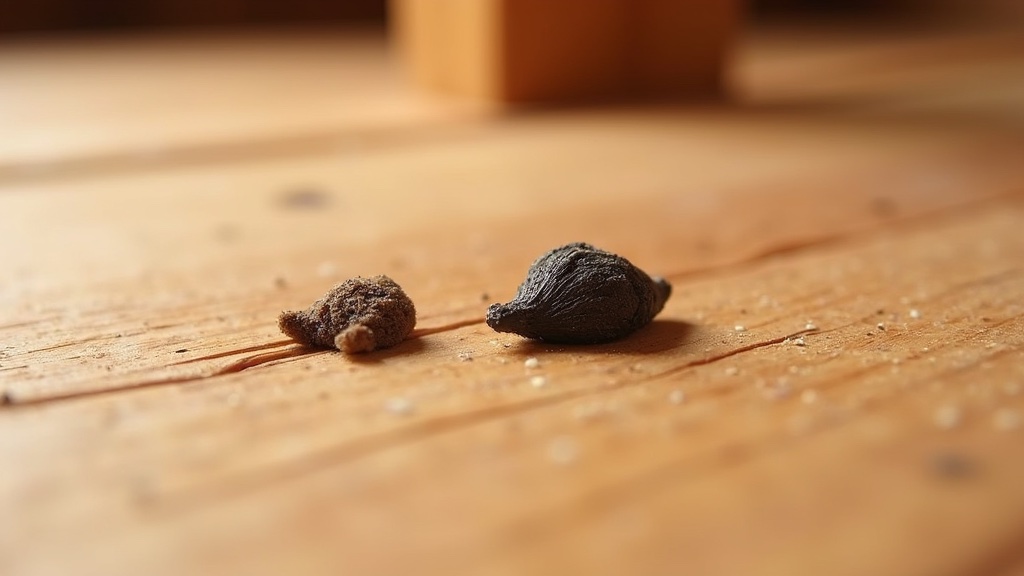
Rat infestations leave behind droppings, urine, and nesting materials that pose health risks. Rats carry leptospirosis and salmonella, and their droppings can contaminate insulation and drywall. Cleanup is a separate cost from removal.
DIY cleanup requires PPE including an N95 respirator, gloves, and disinfectant. Never vacuum or sweep dry droppings, which aerosolizes pathogens. Use the wet method: spray droppings with a bleach solution (one part bleach to nine parts water), let sit for five minutes, then wipe with paper towels and seal in a plastic bag.
Professional biohazard remediation is recommended for large accumulations or when rats have contaminated attic insulation. This involves removing and replacing insulation, HEPA vacuuming, and disinfecting the entire area. See our guide on diseases from rats and mice for more on health risks.
Frequently Asked Questions
Does homeowners insurance cover rat removal?
Most standard homeowners policies exclude pest removal. However, some policies cover damage caused by rats, such as chewed electrical wiring or structural gnawing. Review your policy or call your agent for specifics.
How much does rat cleanup cost if I do it myself?
DIY cleanup costs are limited to PPE, disinfectant, and disposal bags. The bigger cost is labor and the risk of improper handling. Professional cleanup is significantly more but ensures safe, thorough remediation.
Is rat removal cheaper in certain seasons?
Some companies offer off-season discounts in late fall and winter when rodent calls decrease. Spring and early summer are peak seasons, and prices may be higher due to demand. Ask about seasonal pricing when getting quotes.
How long does professional rat removal take?
Most professional rat removal projects take one to three weeks. The initial trapping phase lasts several days, followed by exclusion work and a monitoring period. Large infestations may require multiple follow-up visits over a month.
Related Resources
Compare costs across pest types in our complete wildlife removal cost guide. For rat traps and products, see our best rat traps guide. If you are deciding between doing it yourself or hiring a pro, read DIY vs professional wildlife removal.
Why Trust Us
WildAnimalsCentral.com provides cost data based on surveys of licensed pest control companies across the United States. Our pricing ranges reflect national averages and may vary by region, home size, and infestation severity. We update our cost guides annually to reflect market changes.