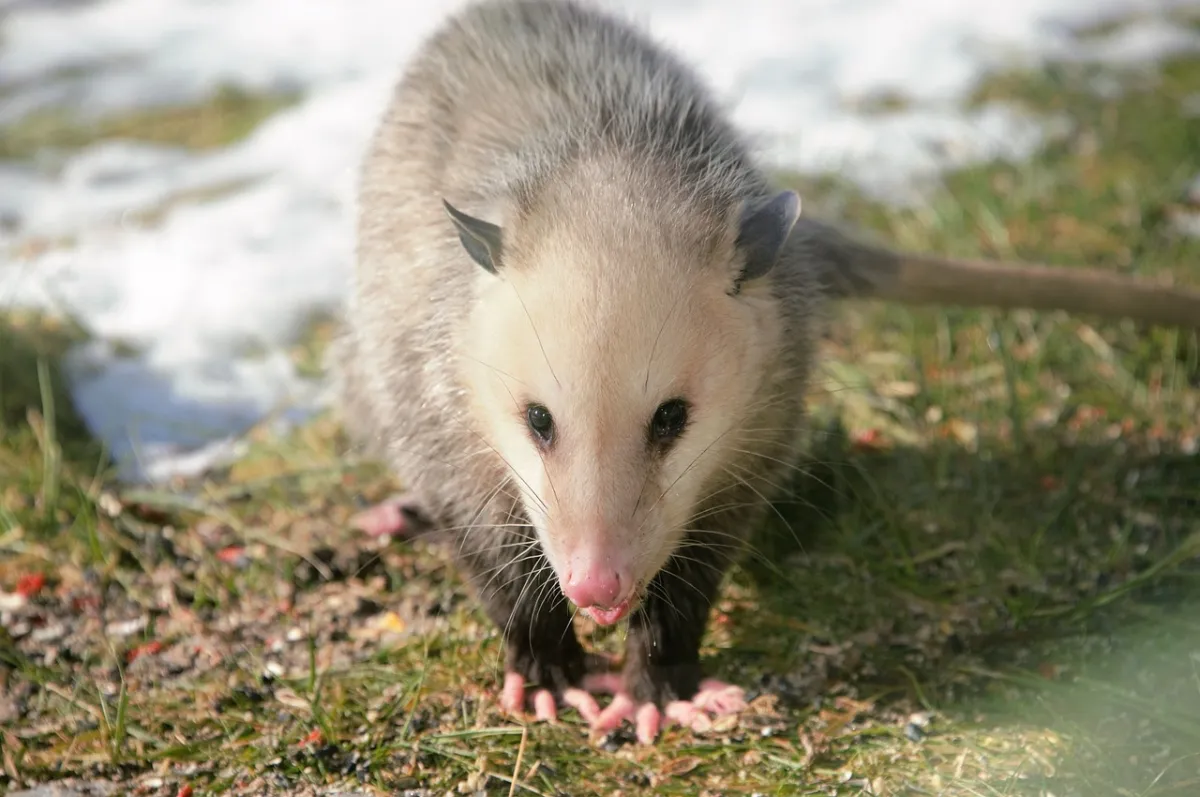
Possums in your backyard have both benefits and drawbacks. Virginia opossums (Didelphis virginiana) are North America's only marsupials and are generally beneficial to have around.
They eat ticks, insects, small rodents, and carrion, helping to control pests. However, they can also knock over garbage cans, disturb gardens, and occasionally enter attics or crawlspaces. This guide covers the pros and cons so you can make an informed decision.
Key Takeaways
- Possums are beneficial: A single possum can eat up to 5,000 ticks per season, plus insects, rodents, and carrion.
- They are not aggressive and rarely carry rabies due to their low body temperature.
- Drawbacks include tipped garbage cans, garden damage, and occasional denning in attics or under decks.
- Most conflicts can be resolved with simple habitat modifications rather than removal.
In This Guide
Pros of Having Possums in Your Backyard
- Natural tick control: Possums groom themselves frequently and consume thousands of ticks, reducing Lyme disease risk.
- Pest control: They eat cockroaches, crickets, beetles, slugs, snails, and small rodents.
- Cleanup crew: Possums scavenge carrion and fallen fruit, keeping your yard clean.
- Low rabies risk: Their body temperature (94-97°F) is too low for the rabies virus to thrive.
- Non-aggressive: Possums prefer to play dead or bluff rather than fight. They rarely attack pets or humans.
- Short lifespan: Wild possums live only 1-2 years, so any problem is temporary.
Cons of Having Possums Around
- Garbage raiding: Possums will tip over trash cans and scatter waste.
- Garden damage: They may eat fruits, vegetables, and ornamental plants.
- Denning: They may take up residence under decks, porches, sheds, or in attics.
- Droppings: Possum waste can carry leptospirosis and other pathogens.
- Flea and tick transmission: While they eat ticks, they can also carry them into your yard.
- Noise: Hissing, growling, and scratching sounds at night may be disruptive.
| Aspect | Benefit | Drawback |
|---|---|---|
| Tick control | Eats up to 5,000 ticks/season | Can carry ticks into yard |
| Garden | Eats insects and slugs | May eat fruits and vegetables |
| Garbage | Cleans up carrion | Tips over trash cans |
| Disease | Low rabies risk | Droppings may carry pathogens |
| Temperament | Non-aggressive, plays dead | Hisses and bares teeth when scared |
How to Manage Possums in Your Yard
- Secure garbage cans with locking lids or bungee cords.
- Remove pet food and birdseed at night.
- Pick up fallen fruit promptly.
- Seal gaps under decks and porches with 1/2 inch galvanized hardware cloth buried 4 inches deep.
- Install motion-activated lights to deter nighttime foraging.
- Leave the possum alone if it is not causing problems. They usually move on within a few weeks.
For more, read our possum behavior guide and possum disease guide.
Frequently Asked Questions
Should I remove a possum from my yard?
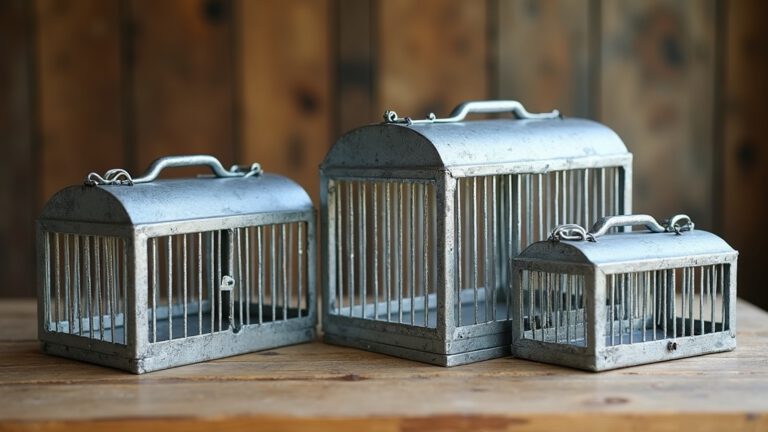
Only if it is causing significant damage or has taken up residence in your home. Possums are generally beneficial and move on naturally within 1-2 weeks. If removal is necessary, use a live trap baited with canned fish or fruit.
Will possums kill my chickens?
Possums may eat chicken eggs and small chicks, but they rarely attack adult chickens. Secure your coop with 1/2 inch hardware cloth and close it at night to prevent possum entry.
Do possums attract other pests?
Possums themselves do not attract other pests, but the food sources that attract possums (garbage, pet food, fallen fruit) can also attract raccoons, skunks, and rats. Removing food sources addresses all wildlife conflicts.
Are possums good for the garden?
Yes, in moderation. Possums eat insects, slugs, snails, and small rodents that can damage gardens. They also eat fallen fruit and carrion. However, they may also eat fruits and vegetables. The benefits usually outweigh the drawbacks.
The Bottom Line
Possums in your backyard are generally beneficial. They eat ticks, insects, and carrion, and they pose little threat to humans or pets. The main drawbacks are tipped garbage cans, garden damage, and occasional denning.
Most conflicts can be resolved by securing food sources and sealing entry points. If a possum is not causing problems, the best approach is to leave it alone. They are temporary visitors that will move on naturally.