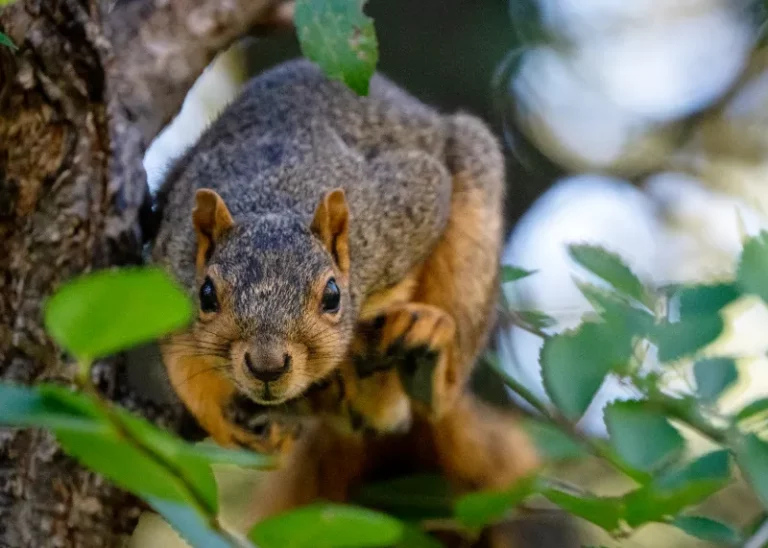
Squirrel-chewed wires are a fire hazard. Eastern gray squirrels (Sciurus carolinensis) chew on electrical wiring because their incisors grow constantly and gnawing keeps them short.
Exposed wires in your attic or walls can arc, spark, and start a fire. If you find chewed wiring, your first call should be to a licensed electrician. This guide covers temporary fixes, permanent repairs, and how to prevent squirrels from chewing wires again.
Key Takeaways
- Turn off power to the affected circuit at the breaker panel immediately.
- Call a licensed electrician to assess and repair chewed wiring.
- Protect repaired wires with metal conduit or nylon chew-resistant sleeving.
- Seal entry points with 1/4 inch hardware cloth to prevent future chewing.
In This Guide
Why Chewed Wires Are Dangerous
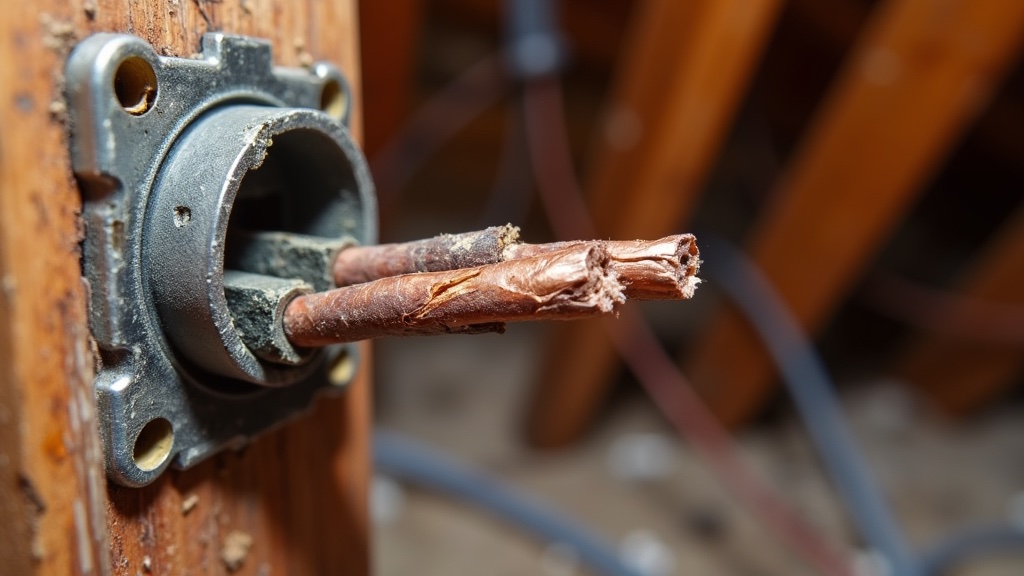
Squirrels chew through wire insulation to access the copper core, which they cannot eat. The damage is indirect: the exposed copper conductor can short against building materials, creating heat, arcing, and fire.
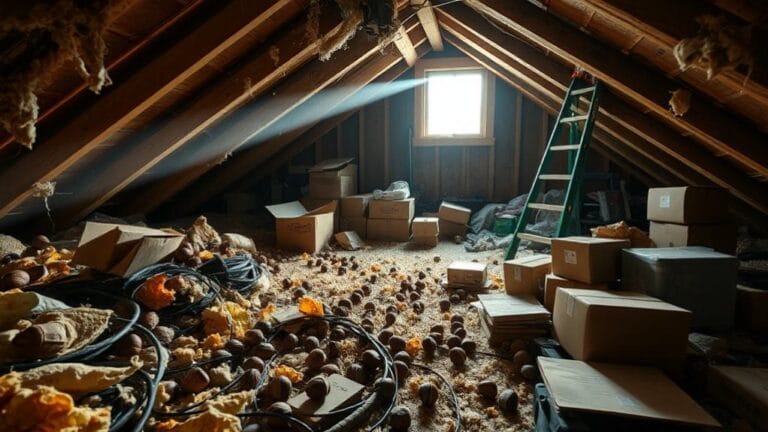
Chewed wires in attics are a leading cause of electrical fires in homes with wildlife infestations. Signs of chewed wiring include flickering lights, tripped breakers, and a burning smell near attic access points.
Immediate Steps to Take
- Turn off power to the affected circuit at the main breaker panel. Label the circuit so no one accidentally restores it.
- Do not touch the chewed wires. Even with the power off, damaged wires can have sharp copper ends that can pierce skin.
- Take photos of the damage for insurance purposes.
- Call a licensed electrician. DIY electrical repairs on chewed wiring are dangerous and may violate local building codes.
Repair Options
An electrician will typically use one of these methods:
- Wire replacement: The safest option. The damaged section is cut out and replaced with new wire, joined in a junction box.
- Heat-shrink tubing: For minor insulation damage where the copper is intact, heat-shrink tubing can restore the insulation layer.
- Wire nut splice: For accessible damaged sections, a splice inside an approved junction box.
After repair, the electrician should install arc-fault circuit interrupters (AFCIs) on the affected circuit for added protection against future arcing.
| Protection Method | Effectiveness | Best Use |
|---|---|---|
| Metal conduit (EMT) | 100% | Permanent protection for exposed wiring |
| Nylon chew-resistant sleeving | Moderate | Flexible protection where conduit is impractical |
| Capsaicin-based wire tape | Moderate | Temporary deterrent, must be reapplied |
| 1/4 inch hardware cloth | Excellent | Sealing entry points at the source |
Frequently Asked Questions
Can I use electrical tape to fix chewed wires?
No. Electrical tape is not a permanent repair for chewed wiring. It can degrade over time, and the damaged conductor may still arc or overheat. Only a licensed electrician should perform permanent wire repairs using approved methods and materials.
How do I know if squirrels are chewing my wires?
Signs include flickering lights, tripped circuit breakers, a burning smell near attic access points, and visible gnaw marks on wire insulation. If you find chewed wires, turn off the circuit immediately and call an electrician.
Will a metal conduit stop squirrels?
Yes. Galvanized steel electrical metallic tubing (EMT) and flexible metal conduit are completely squirrel-proof. Squirrel teeth cannot penetrate metal. This is the most reliable long-term protection for exposed wiring in attics and crawlspaces.
Does homeowners insurance cover squirrel-damaged wiring?
Most standard homeowners policies cover sudden damage from squirrels, including chewed wiring. However, policies may exclude damage from pests that the homeowner failed to address. Document the damage with photos and call your insurance company promptly.
The Bottom Line
Squirrel-chewed wires are a serious fire hazard that requires immediate professional attention. Turn off the circuit, call an electrician, and seal entry points while the repair is done.
The best long-term protection is running all exposed wiring through metal conduit and excluding squirrels from your attic with 1/4 inch hardware cloth. Do not cut corners on electrical safety the cost of a professional repair is minimal compared to the risk of a house fire.
Preventing Future Chewing
Once wires are repaired, prevent re-infestation:
- Protect exposed wiring with metal conduit (EMT or flexible metal conduit). Squirrels cannot chew through metal.
- Cover all wiring runs with nylon chew-resistant sleeving where metal conduit is impractical.
- Seal all entry points with 1/4 inch hardware cloth and galvanized steel flashing.
- Set up monitoring. Place a motion-activated camera in the attic to detect squirrel activity early.
Read our detailed guide on complete attic cleanup after squirrel infestation for post-repair restoration. Determine DIY vs professional wildlife removal for electrical damage.