Aluminum foil has very limited effectiveness as a squirrel deterrent and should not be relied on as a primary solution. Squirrels (Sciurus carolinensis) may be briefly startled by the texture and reflective surface, but they quickly habituate.
Rain, wind, and UV exposure degrade the foil within days. This guide covers what aluminum foil can and cannot do, and what works better.
Key Takeaways
- Aluminum foil may deter squirrels (Sciurus carolinensis) for a day or two due to novelty and texture, but habituation occurs within 3 to 5 days.
- Foil degrades quickly outdoors from rain, wind, and sun exposure. It needs constant replacement.
- Physical barriers and capsaicin-based repellents are far more reliable for long-term squirrel control.
- Use foil as a temporary patch while you install permanent exclusion materials.
In This Guide
Does Aluminum Foil Actually Work Against Squirrels (Sciurus carolinensis)?
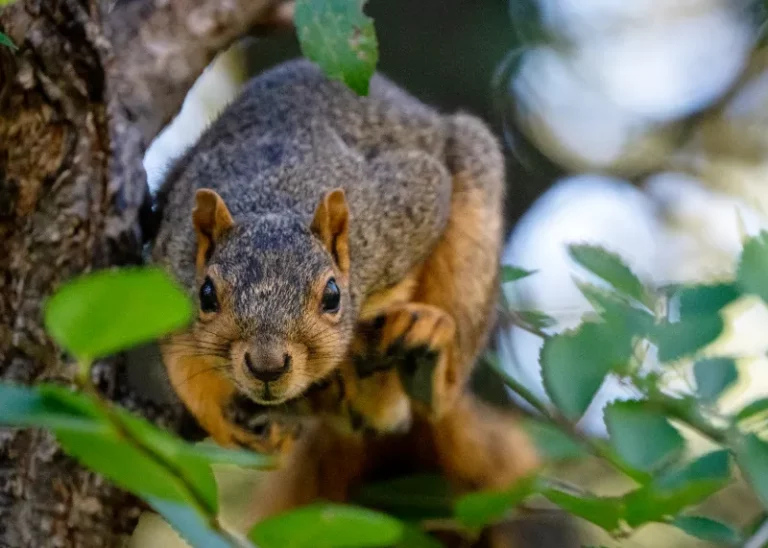
The short answer: partially, for a very short time. Squirrels (Sciurus carolinensis) are neophobic and may avoid aluminum foil for the first day or two because the unfamiliar texture and reflection feel threatening. But squirrels (Sciurus carolinensis) are also highly adaptable. Within 3 to 5 days, most squirrels (Sciurus carolinensis) learn that the foil is harmless and will cross it to reach food or shelter.
Outdoors, aluminum foil has additional problems:
- Rain and moisture cause the foil to disintegrate or lose its reflective quality.
- Wind blows foil strips away from where you placed them.
- UV exposure dulls the shiny surface, reducing the reflective effect.
- Birds and other wildlife may pick up foil pieces, creating litter.
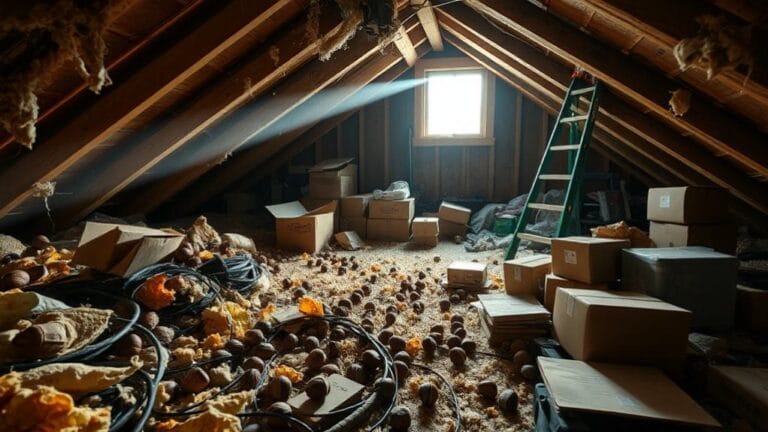
Indoors, foil may work slightly better in enclosed spaces like attics, but only as a temporary deterrent while you install permanent exclusion materials.
How to Use Aluminum Foil (If You Want to Try It)
If you want to test aluminum foil as a short-term deterrent, follow these steps:
- Cut foil into 2-inch wide strips and place them in garden beds, around bird feeder poles, or on top of trash can lids.
- Secure the foil with garden staples or rocks so it does not blow away.
- Replace the foil every 3 to 4 days or after rain. Old foil loses its effect.
- Combine with other deterrents like motion-activated sprinklers or capsaicin spray for better results.
Better Options That Actually Work
| Method | Effectiveness | Durability |
|---|---|---|
| Aluminum foil | Low (3-5 days) | Days |
| Capsaicin-based sprays | Moderate | 7-10 days per application |
| Motion-activated sprinklers | High | Years |
| 1/4 inch hardware cloth | Excellent | Decades |
| Metal tree baffles | Excellent | Years |
For proven squirrel control methods, read our squirrel repellent guide and electronic repellent review.
Frequently Asked Questions
Can squirrels (Sciurus carolinensis) chew through aluminum foil?
Yes. Aluminum foil offers no real barrier against squirrel teeth. Squirrels (Sciurus carolinensis) can chew through thin aluminum foil instantly. The foil works only as a tactile deterrent, not a physical barrier.
Does aluminum foil keep squirrels (Sciurus carolinensis) out of bird feeders?
Not reliably. A determined squirrel will ignore foil strips to reach birdseed. Weight-activated squirrel-proof feeders or metal baffles are far more effective.
How long does aluminum foil last outdoors as a squirrel deterrent?
Typically 2 to 5 days, depending on weather. Rain destroys it instantly. Wind moves it. UV exposure dulls the reflective surface. Plan on replacing it every 3 days if you want to maintain any deterrent effect.
Is aluminum foil safe for birds and other wildlife?
Generally yes, but it can create litter. Birds may pick up small foil pieces, and sharp edges can be a minor hazard. For wildlife safety, avoid using foil in areas frequented by ground-feeding birds or small mammals.
The Bottom Line
Aluminum foil is a weak, temporary squirrel deterrent at best. It works for a few days until squirrels (Sciurus carolinensis) habituate, then it stops working entirely. Rain and wind degrade it quickly. Use it only as a stopgap while you install permanent exclusion materials like 1/4 inch hardware cloth, metal baffles, or capsaicin-based repellents.
For real squirrel control, invest in materials that stop squirrels (Sciurus carolinensis) permanently, not ones that annoy them temporarily. Read DIY vs professional wildlife removal for comprehensive solutions.