Groundhog Burrow Identification and Removal Guide (2026)
Identifying a groundhog burrow correctly is the first step to solving your groundhog problem. Groundhog burrows have distinct features that set them apart from other animal dens. This guide helps you identify active burrows, understand groundhog tunnel systems, and choose the best removal strategies.
Key Takeaways
- Entrance size: Groundhog burrow openings measure 6 to 10 inches in diameter with a distinct crescent-shaped dirt mound.
- Multiple exits: Each burrow system typically has 2 to 5 escape holes for quick getaways from predators.
- Location clues: Burrows are found near food sources, under structures, along fence lines, and in areas with dense ground cover.
- Test for activity: Use the newspaper test to determine if a burrow is currently occupied.
- Removal first: Always confirm the burrow is empty before filling or sealing it to prevent trapping animals inside.
What Does a Groundhog Burrow Look Like?
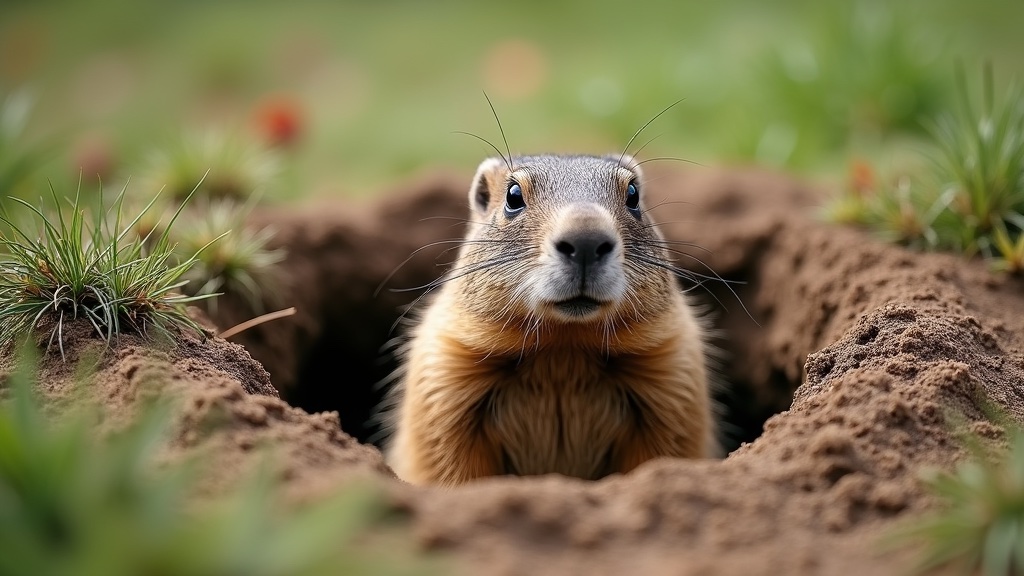
A groundhog burrow entrance is distinctive and easy to identify once you know what to look for. The opening is roughly circular, measuring 6 to 10 inches across. The telltale sign is a large, fan-shaped mound of fresh dirt at the entrance.
The dirt mound at a groundhog burrow entrance is typically 12 to 24 inches wide. Unlike mole hills which are smaller and volcano-shaped, groundhog mounds have a half-moon or crescent shape. The dirt is usually darker and looser than the surrounding soil.
Burrow Fact
Groundhog burrows can be 4 to 5 feet deep and extend 30 to 50 feet in length. The tunnel system includes a main nesting chamber, toilet chambers, and multiple escape tunnels with hidden exit holes.
Where to Look for Groundhog Burrows
Groundhogs (Marmota monax) prefer to dig their burrows in well-drained soil on slopes, hillsides, or elevated areas that prevent flooding. Look for burrows along fence lines, at the base of trees, under sheds or decks, near rock walls, and along the edges of fields or pastures.
Groundhog burrows are often found within 50 to 100 feet of food sources. If you have a vegetable garden, look for burrows nearby. The main entrance is usually the most visible, but secondary escape holes may be concealed under brush or vegetation.
How to Tell the Difference Between Groundhog and Other Burrows
Groundhog burrows are larger than chipmunk or vole tunnels but smaller than badger or fox dens. The crescent-shaped dirt mound is the best distinguishing feature. Gopher mounds are kidney-shaped with a plug, while groundhog entrances remain open.
Rabbit burrows have smaller, neater openings and lack the large dirt mound. Skunk dens often have a musky odor and may be found under porches rather than in open ground. Fox dens have larger entrances with bones and prey remains nearby.
The Newspaper Test for Burrow Activity
To determine if a burrow is active, loosely stuff the entrance with crumpled newspaper or dry leaves. Check the material 24 hours later. If it has been pushed out or disturbed, the burrow is active and occupied.
For more precise monitoring, set up a trail camera pointed at the burrow entrance. This will confirm which animal is using the burrow and help you determine the best removal strategy. Cameras can also reveal multiple occupants.
How to Properly Fill a Groundhog Burrow
Never fill a groundhog burrow while the animal is still inside. The groundhog may dig its way out, create new tunnels, or die inside and cause odor problems. Always confirm the burrow is empty first using the newspaper test.
Once you confirm the burrow is empty, fill it with a mixture of soil and gravel. Tamp the material firmly as you fill to prevent settling. Pack the fill in layers, compacting each layer to discourage re-digging. Add rocks or large stones near the entrance as a final deterrent.
Important
Fill burrows during cool, dry weather when the ground is not saturated. Filling wet burrows can lead to poor compaction and future settling that creates new opportunities for burrowing animals.
Removal Strategies for Occupied Burrows
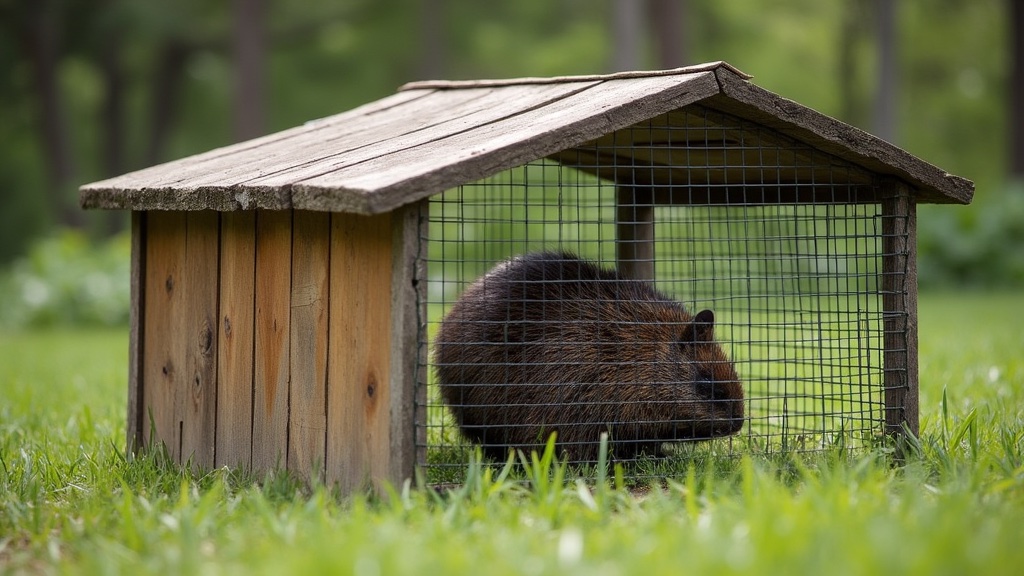
Live trapping is the most effective method for removing groundhogs (Marmota monax) from occupied burrows. Place a 32-inch live trap at the main burrow entrance, baited with cantaloupe or sweet corn. Check traps at least twice daily and relocate captured animals according to local regulations.
One-way exclusion doors are another effective option. These devices allow groundhogs (Marmota monax) to exit the burrow but prevent re-entry. Install the door after confirming the groundhog is inside (typically early morning) and leave it in place for 72 hours.
Frequently Asked Questions
How deep are groundhog burrows?
Groundhog burrows typically range from 3 to 5 feet deep. The main nesting chamber is usually at the deepest point, with escape tunnels branching off at shallower depths. Deeper burrows provide better insulation and flood protection.
How many entrances does a groundhog burrow have?
Most groundhog burrow systems have 2 to 5 entrances. The main entrance features the largest dirt mound, while secondary escape holes are smaller and often concealed under vegetation or debris.
Can you flood a groundhog burrow?
Flooding is not recommended. Groundhogs (Marmota monax) are excellent diggers and can escape by sealing off flooded tunnels or digging upward. Flooding can also cause structural damage to foundations and create muddy hazards in your yard.
Do groundhogs (Marmota monax) share burrows?
Groundhogs (Marmota monax) are generally solitary animals. Each adult has its own burrow system, though males and females may share a burrow during mating season. Young groundhogs (Marmota monax) leave the maternal burrow after about 6 to 8 weeks.
What time of year are groundhogs (Marmota monax) most active?
Groundhogs (Marmota monax) are most active from early spring through late fall. They enter deep hibernation from October through February in most regions. Spring is the best time to identify and address burrow problems before young are born.
Related Resources
Groundhog Under Shed: Signs, Removal, and Prevention (2026) · How to Get Rid of Groundhogs (Marmota monax) in Your Yard (2026) · Groundhog vs Woodchuck vs Marmot: Identification Guide (2026)
Why Trust WildAnimalsCentral
WildAnimalsCentral provides practical, field-tested wildlife control information for homeowners. Our content is based on consultation with certified wildlife control operators and years of hands-on experience helping readers solve groundhog and other pest problems effectively.