Groundhog Diseases and Health Risks: What to Know (2026)
Groundhogs may look harmless, but they can carry diseases that pose risks to humans, pets, and livestock. Like many wild rodents, groundhog (Marmota monax)s are hosts for a range of pathogens, parasites, and vectors. Understanding these health risks is essential for anyone who has groundhog (Marmota monax)s on their property, especially if you plan to trap or handle them.
The good news is that most groundhog (Marmota monax)-borne diseases are rare in humans. The risks are real but manageable with proper precautions. This guide covers the primary diseases associated with groundhog (Marmota monax)s, how they are transmitted, what symptoms to watch for, and how to protect yourself and your family during groundhog (Marmota monax) control and removal.
Key Takeaways
- Rabies risk: Groundhogs can carry rabies, though cases are less common than in raccoons, skunks, or bats.
- Leptospirosis: This bacterial disease is spread through groundhog (Marmota monax) urine and can contaminate soil and water.
- Parasites: Groundhogs host fleas, ticks, and mites that can transmit diseases to humans and pets.
- Tularemia: Also known as rabbit fever, this bacterial disease is carried by groundhog (Marmota monax)s and transmitted through ticks or direct contact.
- Prevention: Wear gloves, avoid direct contact, wash hands, and keep pets vaccinated and flea-free.
Rabies in Groundhogs
Rabies is a viral disease that affects the central nervous system of mammals. It is almost always fatal once symptoms appear. Groundhogs are susceptible to rabies and can transmit the virus through bites or scratches. The Centers for Disease Control and Prevention reports that groundhog (Marmota monax)s account for a small but consistent number of rabies cases in the United States each year.
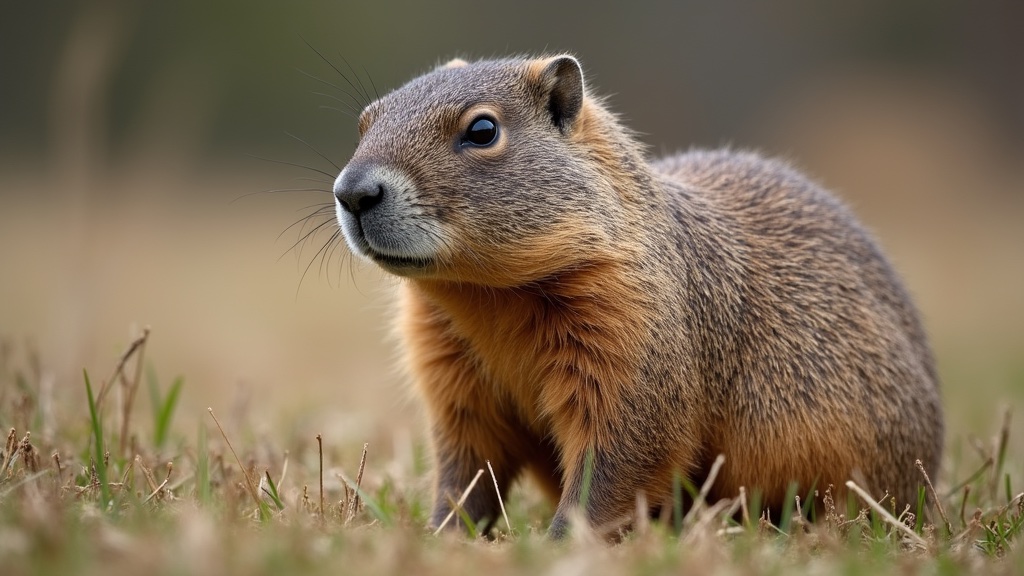
Groundhogs with rabies may show unusual behavior. Healthy groundhog (Marmota monax)s are shy and avoid humans. A rabid groundhog (Marmota monax) may appear disoriented, aggressive, or unafraid of people. It may wander during the day in areas where it would normally be hidden. It may drool excessively, stagger, or have difficulty moving. Any groundhog (Marmota monax) showing these signs should be avoided, and animal control should be contacted immediately.
Rabies transmission requires direct contact with saliva or nervous tissue. A bite from a rabid groundhog (Marmota monax) is the most common route of transmission. Scratches can also transmit the virus if the claws are contaminated with saliva. The rabies virus does not survive long outside the host, so contact with soil, grass, or surfaces where a rabid groundhog (Marmota monax) has been is not a transmission risk.
If you are bitten by a groundhog (Marmota monax), wash the wound thoroughly with soap and water for at least 15 minutes and seek medical attention immediately. The groundhog (Marmota monax) should be captured or euthanized for rabies testing if possible. Post-exposure prophylaxis, a series of rabies shots, is highly effective if administered before symptoms appear.
Leptospirosis
Leptospirosis is a bacterial disease caused by Leptospira bacteria. Groundhogs can carry the bacteria in their kidneys and shed it in their urine. The bacteria can survive in water and soil for weeks or months, especially in warm, moist conditions. Humans and pets can become infected through contact with contaminated water, soil, or food.
Infection occurs when the bacteria enter the body through cuts, scratches, or mucous membranes such as the eyes, nose, or mouth. Drinking contaminated water is another common route. The symptoms of leptospirosis in humans include fever, headache, muscle aches, vomiting, and jaundice. In severe cases, the disease can cause kidney damage, liver failure, and meningitis.
Pets, especially dogs, are at risk of leptospirosis from groundhog (Marmota monax) urine. Dogs can become infected by drinking from puddles or ponds contaminated with groundhog (Marmota monax) urine, or by sniffing or licking contaminated soil. Symptoms in dogs include fever, lethargy, vomiting, increased thirst, and jaundice. Leptospirosis can be fatal in dogs if not treated promptly.
Prevention measures include keeping pets away from areas where groundhog (Marmota monax)s are active, preventing pets from drinking standing water, and vaccinating dogs against leptospirosis. The leptospirosis vaccine is not part of the standard core vaccine series but is recommended for dogs that spend time outdoors in areas with wildlife activity.
Tularemia (Rabbit Fever)
Tularemia is a bacterial disease caused by Francisella tularensis. It is most commonly associated with rabbits and rodents, including groundhog (Marmota monax)s. The bacteria can be transmitted to humans through tick bites, contact with infected animals, or inhalation of contaminated dust. Groundhogs are a reservoir host for tularemia in many parts of the United States.
The symptoms of tularemia depend on the route of infection. Tick-borne tularemia typically causes a skin ulcer at the bite site and swollen lymph nodes. Inhalation of the bacteria can cause a severe respiratory infection with fever, cough, and chest pain. Ingestion of contaminated food or water can cause throat infection, abdominal pain, and diarrhea. Tularemia is treatable with antibiotics, but it can be serious if not diagnosed early.
Groundhog burrows can harbor ticks that carry tularemia. The ticks that feed on groundhog (Marmota monax)s, including the American dog tick and the lone star tick, can transmit the bacteria to humans and pets. When you are working near groundhog (Marmota monax) burrows, you are at increased risk of tick exposure. Tick prevention is an important part of groundhog (Marmota monax) control safety.
Parasites: Fleas, Ticks, and Mites
Groundhogs are hosts for a variety of ectoparasites that can affect humans and pets. Fleas that feed on groundhog (Marmota monax)s can carry diseases such as plague and murine typhus. While plague is rare in the United States, it does occur in the western states, and groundhog (Marmota monax)s can be a reservoir host. Flea bites can also cause allergic reactions and secondary skin infections.
Ticks are the most significant parasite concern. Groundhogs commonly host the American dog tick, the lone star tick, and the black-legged tick. These ticks can transmit Lyme disease, ehrlichiosis, anaplasmosis, and Rocky Mountain spotted fever. Ticks that feed on groundhog (Marmota monax)s can drop off in the burrow or in the surrounding area, creating a tick hotspot in your yard.
Mites that infest groundhog (Marmota monax)s can cause mange, a skin condition that leads to hair loss, itching, and secondary infections. Mange mites are species-specific, meaning the mites that affect groundhog (Marmota monax)s are unlikely to infest humans. However, they can cause temporary skin irritation if they come into contact with human skin. Pets that investigate groundhog (Marmota monax) burrows may pick up mites.
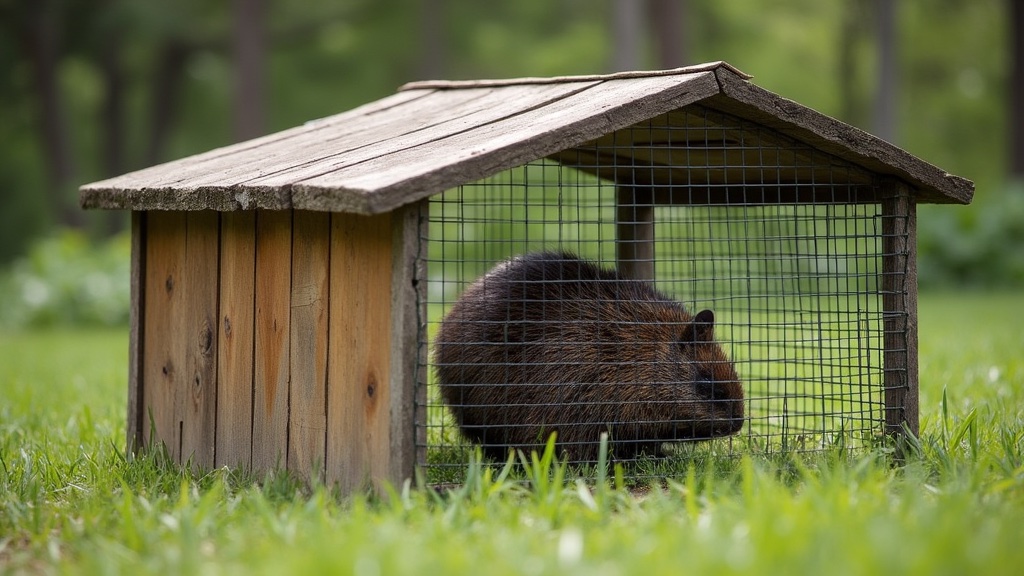
When trapping or handling groundhog (Marmota monax)s, wear gloves and avoid direct contact with the animal. Use a catch pole or transfer cage to move the animal without touching it. After handling a trap or equipment that has been near a groundhog (Marmota monax), wash your hands thoroughly with soap and water. Disinfect traps and equipment with a bleach solution after use.
Other Health Risks from Groundhogs
Groundhog burrows can create physical hazards. A hole in the yard can cause trips and falls, especially for children, elderly adults, and people with mobility issues. Burrows near walkways, driveways, and patios present a liability risk. Livestock can also injure their legs by stepping into groundhog (Marmota monax) holes, leading to sprains, fractures, or infections.
Groundhog burrows attract other wildlife. The burrows are often used by opossums, rabbits, raccoons, foxes, and snakes as shelter. This secondary activity can introduce additional disease risks and complicate the wildlife situation on your property. Sealing groundhog (Marmota monax) burrows after the groundhog (Marmota monax) is removed prevents this secondary use.
Groundhog droppings and urine can contaminate garden soil and water sources. If you grow vegetables, groundhog (Marmota monax) activity near the garden can introduce pathogens that cause foodborne illness. Wash all garden produce thoroughly, and avoid using groundhog (Marmota monax)-contaminated areas for growing root vegetables or leafy greens that are eaten raw.
Frequently Asked Questions
Can you get rabies from a groundhog (Marmota monax)?
Yes, groundhog (Marmota monax)s can carry rabies, though they account for a small percentage of wildlife rabies cases in the United States. The risk is lower than with raccoons, skunks, or bats, but any groundhog (Marmota monax) that bites or scratches a person should be tested for rabies. Avoid contact with groundhog (Marmota monax)s that show unusual behavior.
Do groundhog (Marmota monax)s carry diseases that are dangerous to dogs?
Yes. Groundhogs can transmit leptospirosis through their urine, which is a serious risk for dogs. Tularemia, fleas, and ticks are also risks. Dogs that investigate groundhog (Marmota monax) burrows or chase groundhog (Marmota monax)s are at higher risk. Keep your dog’s vaccinations current, including the leptospirosis vaccine, and use flea and tick prevention.
Can groundhog (Marmota monax) droppings make you sick?
Groundhog droppings can contain bacteria, parasites, and pathogens that cause illness in humans. Leptospira bacteria, Salmonella, and other pathogens can be present in groundhog (Marmota monax) feces. Avoid direct contact with droppings. Wear gloves and a mask when cleaning up groundhog (Marmota monax) waste. Wash hands thoroughly after working in areas where groundhog (Marmota monax)s are active.
Is it safe to eat vegetables from a garden with groundhog (Marmota monax)s?
Vegetables from a garden with groundhog (Marmota monax) activity should be thoroughly washed before eating. Groundhog urine and droppings can contaminate soil and produce. Root vegetables and leafy greens are at the highest risk. Wash all produce with clean water and a vegetable brush. Consider growing vegetables in raised beds with groundhog (Marmota monax) exclusion to prevent contamination.
Related Resources
- Groundhog Control Hub – Complete groundhog (Marmota monax) management guide.
- Groundhog Trapping Tips and Techniques – Safe removal methods.
- DIY vs Professional Wildlife Removal – When to call an expert.
- Wildlife Removal Cost Guide – Budgeting for professional help.
Why Trust Us
WildAnimalsCentral provides accurate, research-based information on wildlife diseases and control. Our content is developed using CDC guidelines, state health department resources, university extension publications, and veterinary medicine references. We prioritize safety and practical prevention. Every article is reviewed by editorial staff for accuracy and clarity.