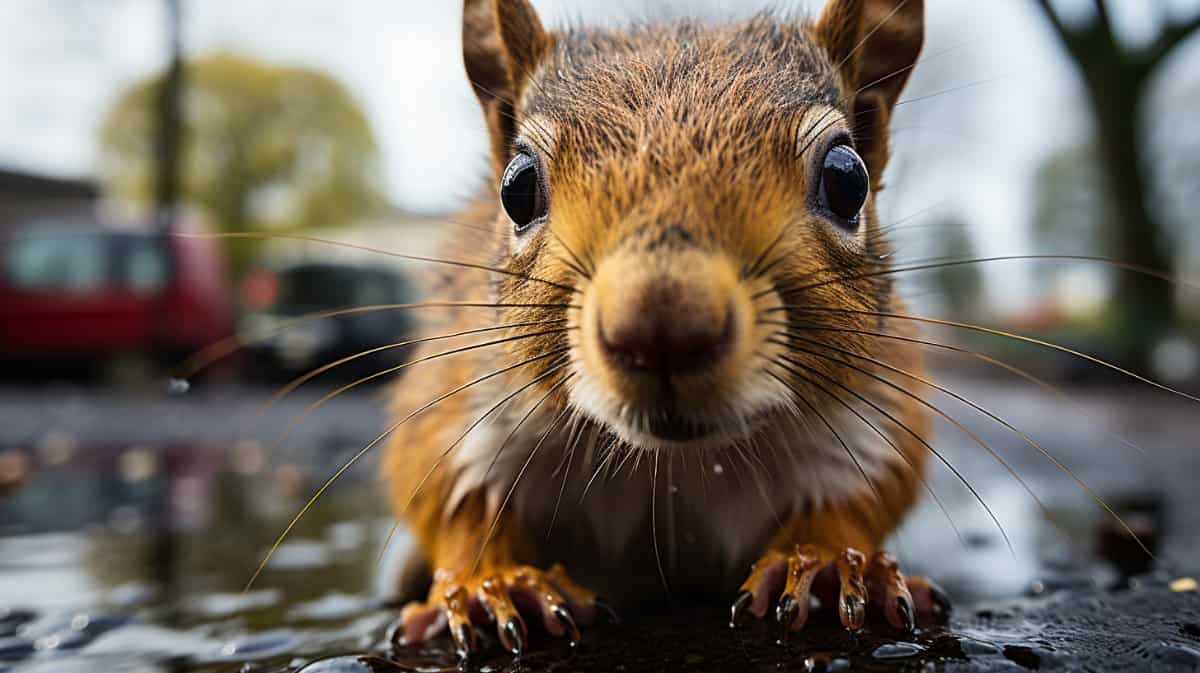
No, mothballs are not an effective or safe way to keep squirrels (Sciurus carolinensis) away. While the strong odor of naphthalene or paradichlorobenzene may temporarily deter squirrels (Sciurus carolinensis), the effect is short-lived, unreliable, and comes with serious health and environmental risks.
Mothballs are regulated pesticides designed for sealed containers, not for outdoor use. This guide explains why mothballs fail against squirrels (Sciurus carolinensis), the dangers they pose, and what actually works.
Key Takeaways
- Mothballs are ineffective against squirrels (Sciurus carolinensis). The smell may deter them for a day or two, but squirrels (Sciurus carolinensis) quickly habituate and return.
- Mothballs are toxic to humans, pets, and wildlife. They contain naphthalene or paradichlorobenzene, which can cause liver damage, anemia, and respiratory problems.
- Using mothballs outdoors is illegal in most states. They are registered as indoor fumigants only.
- Physical exclusion and capsaicin-based repellents are proven safe and effective alternatives.
In This Guide
In This Guide
Why Mothballs Fail Against Squirrels (Sciurus carolinensis)
-and-Their-Habits-1024x574.jpg "Do Mothballs Keep Squirrels Away? (2026) 1")
The idea behind mothballs seems logical: squirrels (Sciurus carolinensis) have a strong sense of smell, and mothballs produce a powerful odor that should drive them away. In practice, this does not work for three reasons:
- Habituation: Squirrels (Sciurus carolinensis) are neophobic initially but adapt quickly. Within 2 to 3 days, they learn the smell is not a threat and return to the area.
- Outdoor dissipation: Mothball vapors disperse rapidly in open air. Rain, wind, and temperature changes reduce the concentration below the repellent threshold within hours.
- Wrong mechanism: Mothballs are designed to kill moths and other insects in sealed containers through toxic gas accumulation. They were never formulated to repel large mammals like squirrels (Sciurus carolinensis).
Health and Environmental Risks of Mothballs
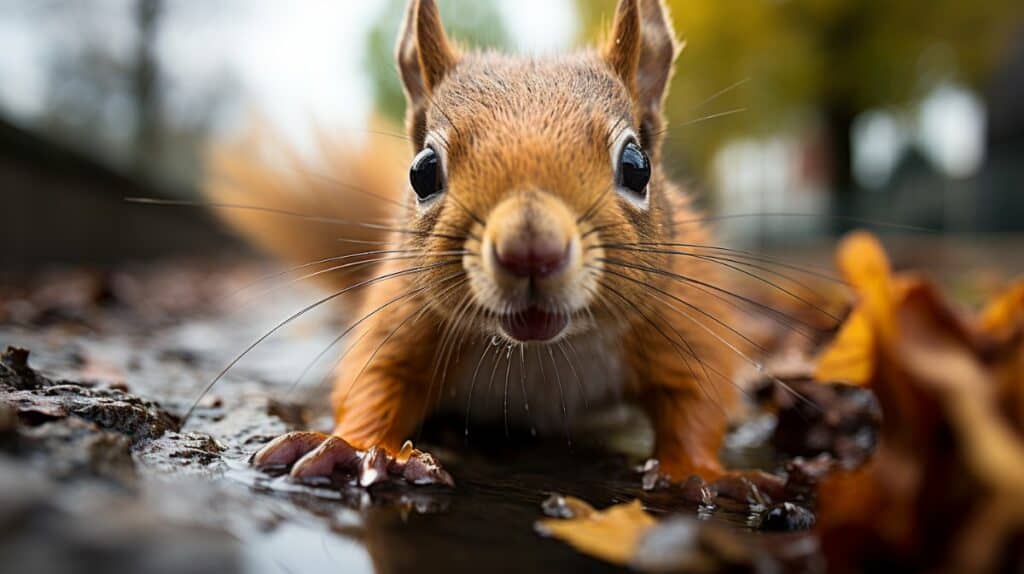
Using mothballs outdoors exposes your family, pets, and local wildlife to unnecessary risks:
- Naphthalene poisoning: Inhaling naphthalene vapors can cause headaches, nausea, dizziness, and hemolytic anemia (destruction of red blood cells). Children and people with G6PD deficiency are especially vulnerable.
- Pet toxicity: Dogs and cats that ingest mothballs can suffer vomiting, seizures, liver damage, and death. Cats are particularly sensitive to naphthalene.
- Soil contamination: Naphthalene residues leach into soil and groundwater, harming beneficial insects, earthworms, and plants. It can persist in soil for months.
- Secondary poisoning: Predators that eat small rodents or insects exposed to mothball residue can suffer the same toxic effects.
Legal Issues With Outdoor Mothball Use
Mothballs are registered with the EPA as pesticides for specific uses only. The label explicitly states they are for use in sealed containers or storage areas only. Using mothballs outdoors, in gardens, or in attics for squirrel control is:
- Illegal under FIFRA (Federal Insecticide, Fungicide, and Rodenticide Act). Using a pesticide in a manner inconsistent with its label is a federal violation.
- Subject to fines of up to $1,000 per violation in many states.
- Actionable by neighbors if the fumes drift onto neighboring properties, especially in attached housing or condominiums.
Safe Alternatives That Actually Work
Instead of mothballs, use these proven and safe methods to keep squirrels (Sciurus carolinensis) away:
| Method | How It Works | Safety | Effectiveness |
|---|---|---|---|
| 1/4 inch hardware cloth | Physical barrier over entry points | Safe | Excellent |
| Capsaicin-based sprays | Activates TRPV1 receptor, repels mammals | Safe for pets and plants | Good |
| Motion-activated sprinklers | Water burst exploits neophobic behavior | Safe | Good |
| Metal tree baffles | Prevents climbing | Safe | Excellent |
| Predator urine | Triggers fear response via amygdala | Safe but washes off | Moderate |
| Mothballs (for comparison) | Toxic gas, not formulated for mammals | Dangerous | Poor |
For more effective solutions, read our best squirrel repellent guide and wall protection guide.
Frequently Asked Questions
Will mothballs keep squirrels (Sciurus carolinensis) out of the attic?
No. Mothballs will not keep squirrels (Sciurus carolinensis) out of an attic, and placing them there is dangerous. The toxic fumes can seep into living spaces through ceiling fixtures, vents, and wall cavities, putting your family at risk. Seal entry points with 1/4 inch hardware cloth instead.
How many mothballs do you need to repel squirrels (Sciurus carolinensis)?
There is no safe or effective dosage. The amount needed to produce a detectable concentration in open air would far exceed safe exposure limits for humans, pets, and plants. This is why mothballs are not registered for outdoor rodent or squirrel control.
What is the difference between mothballs and moth crystals?
Mothballs typically contain naphthalene, while moth crystals contain paradichlorobenzene. Both are toxic and ineffective for squirrel control. Neither should be used outdoors or in open areas. Both are regulated as indoor fumigants only.
Does the smell of mothballs bother squirrels (Sciurus carolinensis)?
Initially, yes. Squirrels (Sciurus carolinensis) may avoid a mothball-treated area for a day or two due to the novel odor. However, they habituate rapidly. Within 3 to 5 days, most squirrels (Sciurus carolinensis) will ignore the smell entirely if they have a food source or shelter in the area.
Can I use mothballs in my garden to protect plants?
No. Mothballs in gardens contaminate the soil, kill beneficial insects and earthworms, and can be absorbed by edible plants. The FDA and EPA strongly advise against using mothballs near food crops. Use capsaicin spray or row covers instead.
The Bottom Line
Mothballs are not an effective or safe solution for squirrel control. They fail because squirrels (Sciurus carolinensis) habituate quickly, outdoor use is illegal, and the health risks to your family, pets, and the environment far outweigh any marginal benefit.
The only way to keep squirrels (Sciurus carolinensis) away permanently is through physical exclusion with 1/4 inch hardware cloth, metal baffles, and capsaicin-based repellents. These methods are proven, safe, and legal.
Save your money and protect your health. Skip the mothballs and invest in real squirrel control. Compare DIY vs professional wildlife removal for safe, legal options.