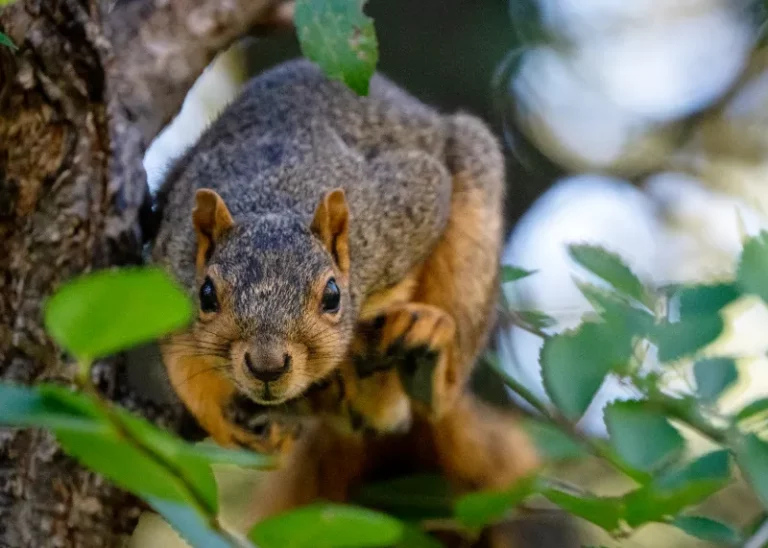
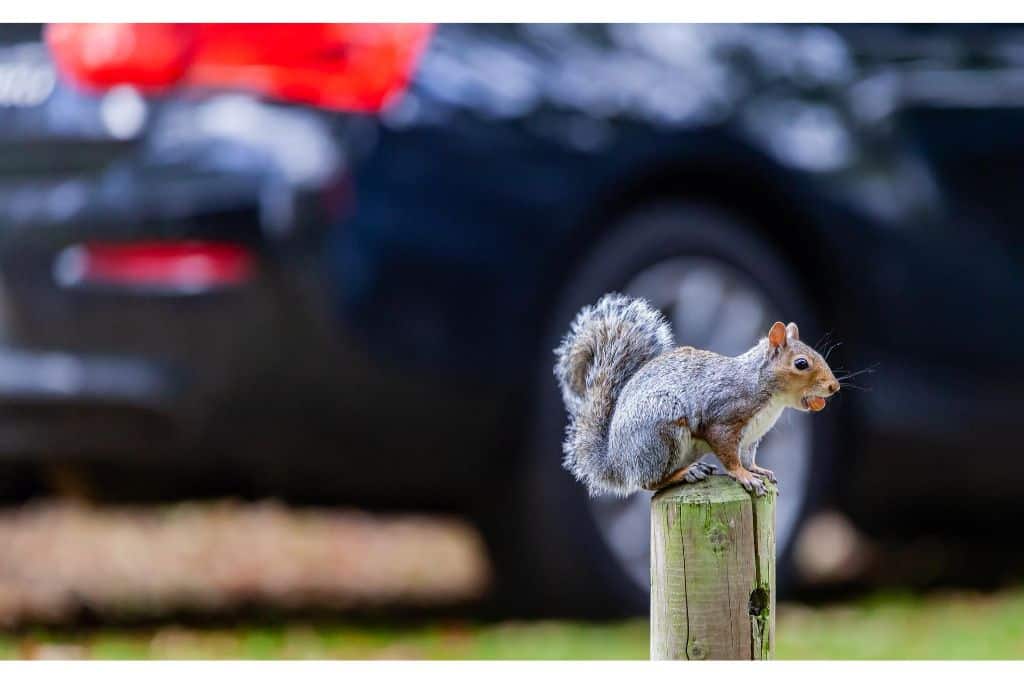
Yes, you can keep squirrels away from your car with a combination of physical barriers, repellents, and habitat management. Eastern gray squirrels (Sciurus carolinensis) see parked cars as shelter, a food source, or a chewing target.
Their incisors grow constantly, and engine compartments offer warmth, nesting material, and wiring to gnaw on. This guide covers 9 proven methods to protect your vehicle, from simple deterrents to professional solutions.
Key Takeaways
- Squirrels chew car wires to keep their incisors trimmed and may nest in engine compartments for warmth.
- Physical barriers like metal engine covers and car covers are the most reliable protection.
- Capsaicin-based sprays and motion-activated deterrents work well as repellents.
- Trimming tree branches and removing bird feeders reduces squirrel traffic near your vehicle.
- Call a professional if squirrels have already damaged wiring or nested in your engine bay.
Disclaimer: wildanimalscentral.com participates in the Amazon Services LLC Associates Program and Sharesales, affiliate advertising programs that allow third-party sites to earn money by advertising and linking to Amazon.com.
In This Guide
Habitat Management: Make Your Parking Area Unattractive
The easiest way to keep squirrels off your car is to make the area around it unappealing. Squirrels are driven by foraging drive and neophobic behavior, and they will avoid zones that feel exposed or lack food sources.
1. Trim Tree Branches 8 Feet From Your Car
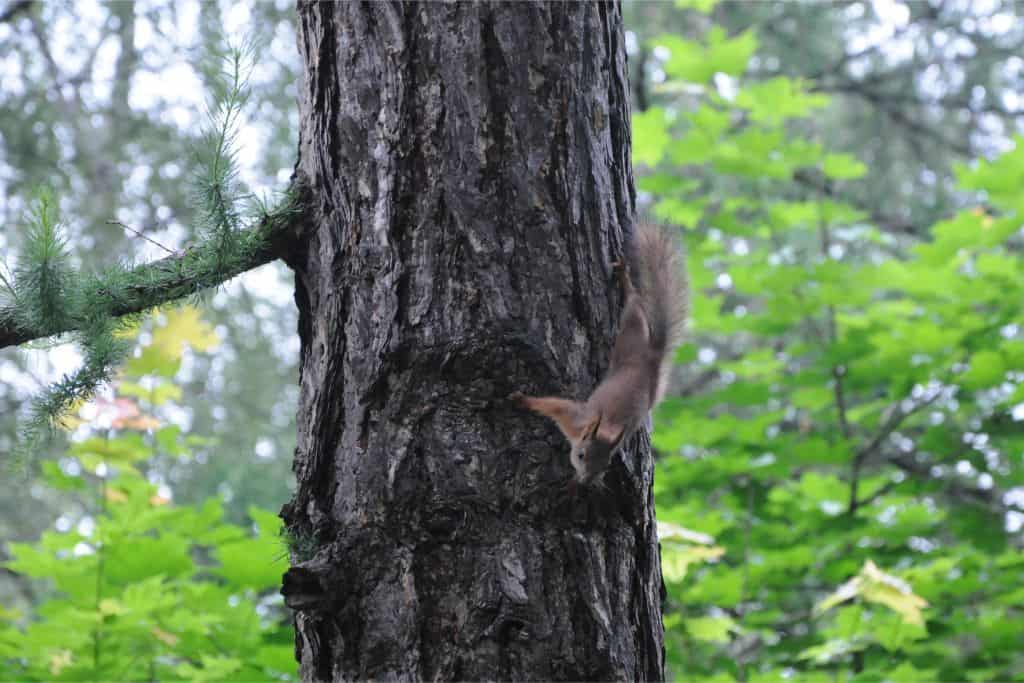
Squirrels are agile climbers that can leap several feet from tree branches onto a car roof or hood. Trim all branches to at least 8 feet away from where you park. For trees within jumping distance, install metal baffles around the trunk to block climbing. This single step eliminates the most common entry route squirrels use to access vehicles.
2. Remove Bird Feeders and Food Sources Near Your Car
Bird feeders are squirrel magnets. The spilled seed attracts eastern gray squirrels (Sciurus carolinensis) and fox squirrels (Sciurus niger) from the entire neighborhood.
Move feeders at least 20 feet from your parking area, or switch to squirrel-proof feeders with weight activated mechanisms calibrated to 4 to 6 ounces. Also pick up fallen nuts, acorns, and pet food that might draw them close to your vehicle.
Physical Barriers: The Most Reliable Protection
Deterrents can help, but physical barriers are the only way to guarantee squirrels cannot access your engine bay or vehicle interior. These solutions are a one-time investment that pays for itself by preventing wire damage.
3. Install a Metal Engine Cover (Undershield)
A metal undershield or skid plate blocks squirrels from entering the engine compartment from underneath. Most vehicles have a plastic splash guard that squirrels can chew through easily. Replacing it with a galvanized steel cover prevents access to wiring, hoses, and nesting spaces. This is the single most effective modification you can make.
4. Use a Heavy-Duty Car Cover
A fitted car cover with a thick, chew-resistant material creates a barrier squirrels cannot easily penetrate. Look for covers with reinforced corners and elastic hems that seal tightly against the ground.
Covers also protect your paint from scratches when squirrels climb over the vehicle. Avoid thin nylon covers, which squirrels can chew through in minutes.
Repellents and Deterrents That Work
When physical barriers are not practical, repellents and motion-activated devices provide a good second line of defense. The key is using the right type and reapplying as needed.
5. Motion-Activated Sprinklers and Alarms
Devices with a passive infrared (PIR) motion sensor detect squirrels approaching your vehicle and trigger a burst of water or a loud sound. Squirrels are neophobic and will avoid areas where they experience unexpected stimuli.
Place the sensor near your parking spot and angle the spray or sound toward the vehicle. After a few exposures, squirrels learn to stay away. These devices also work for raccoons, possums, and stray cats.
6. Capsaicin-Based Sprays and Cayenne Pepper
Capsaicin, the compound that makes chili peppers hot, activates the TRPV1 receptor in mammals and creates an intense burning sensation that repels squirrels without causing lasting harm.
Sprinkle cayenne pepper around your tires and wheel wells, or spray a commercial capsaicin-based repellent on engine bay components. Reapply after rain or every 7 to 10 days. Avoid getting spray on plastic trim, as some formulations can cause discoloration.
7. Ultrasonic Repellent Devices
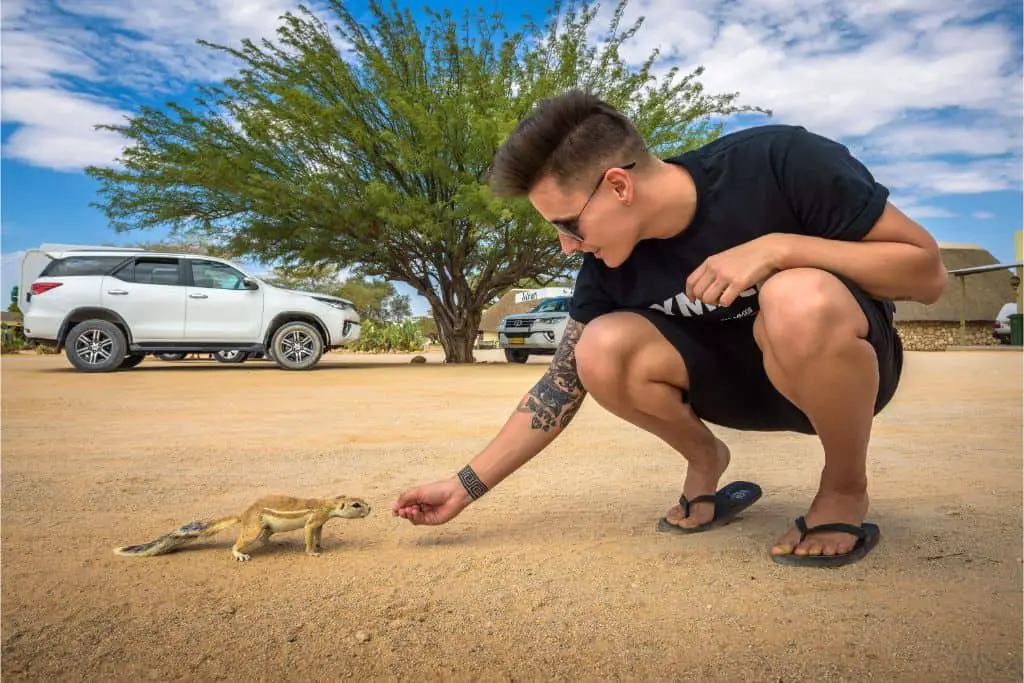
Ultrasonic repellents emit high-frequency sound waves (20,000 to 60,000 Hz) that are uncomfortable for squirrels but inaudible to humans. Place one in your garage near the vehicle or under the hood if you have a weatherproof unit.
Effectiveness varies by brand and squirrel population some rodents habituate to fixed frequencies. Choose a model with frequency shifting to prevent habituation. Ultrasonic devices work best as part of a multi-method approach, not as a standalone solution.
Garage and Car Maintenance
Good habits around your parking area make a measurable difference in squirrel activity. These maintenance steps reduce the cues that attract squirrels to your vehicle in the first place.
8. Keep Your Garage Clean and Seal Entry Points
A cluttered garage offers hiding spots and nesting material for squirrels. Sweep regularly, store food in sealed metal containers, and inspect for gaps larger than a quarter.
Seal any openings with 1/4 inch galvanized hardware cloth the gold standard for squirrel exclusion. Pay special attention to soffits, eaves, and foundation vents. Squirrels can squeeze through gaps as small as 1.5 inches, so be thorough.
9. Wash Your Car Regularly
A clean car is less attractive to squirrels. Food crumbs inside the cabin, salt residue on the exterior, and warm engine smells all attract foraging squirrels.
Wash and wax your vehicle every 2 weeks in high-squirrel seasons (spring and fall). Vacuum the interior thoroughly, especially under seats where crumbs collect. Pop the hood occasionally to check for nesting material or chew marks on wiring, hoses, and insulation.
When to Call a Professional
Some situations require a licensed wildlife control operator or mechanic. Call a professional if:
- You find chewed wiring. Exposed wires create a fire hazard and electrical failure risk. Have a mechanic inspect and repair all damaged wiring before driving.
- Squirrels have nested in your engine bay. Nests block airflow, trap moisture, and can cause overheating or belt damage.
- You cannot find or seal the entry point. Squirrels accessing an attached garage may be entering through the attic or crawlspace first.
- Damage keeps happening despite prevention. Persistent squirrel activity may indicate a larger population or an attractant you have not identified.
- Local regulations require licensed removal. Some states restrict trapping and relocation of squirrels to licensed wildlife control professionals.
For a complete overview of professional squirrel control, read our squirrel trap guide and electronic repellent review.
Frequently Asked Questions
How long does it take a squirrel to chew through a car wire?
A determined squirrel can sever a wire in as little as 30 seconds. The rubber and plastic insulation on automotive wiring offers little resistance to squirrel incisors. They are often attracted to soy-based wire coatings used by some manufacturers, which smell like food.
Will a car cover stop squirrels from chewing wires?
A heavy-duty car cover prevents squirrels from accessing the exterior but does not stop them from getting underneath. Combine a cover with a metal engine undershield for full protection. Squirrels can squeeze under most cars through the wheel wells or undercarriage.
Do ultrasonic devices work for keeping squirrels away from cars?
Ultrasonic devices (20,000 to 60,000 Hz) can help but work best as part of a multi-method approach. Squirrels can habituate to fixed-frequency sounds within days. Choose a device with frequency shifting and place it close to the parking area for best results.
What smell repels squirrels from cars?
Capsaicin (hot pepper) is the most effective smell-based deterrent. Sprinkling cayenne pepper around tires or using a capsaicin spray in the engine bay creates a strong deterrent that targets the TRPV1 receptor. Predator urine (coyote and fox) triggers a fear response via the amygdala but washes off quickly and needs frequent reapplication.
Do squirrels come back to the same car?
Yes. Squirrels have good spatial memory and will return to a vehicle where they found food, nesting material, or a warm engine. Once they establish a pattern, they may bring other squirrels from the same population. Breaking the pattern with multiple deterrents is essential to stop repeat visits.
The Bottom Line
Keeping squirrels away from your car is a matter of removing what attracts them and blocking what they can access. Trim trees, remove food sources, install a metal engine cover, and use capsaicin-based repellents as needed.
If you park in a garage, seal all gaps with 1/4 inch hardware cloth and keep the space clean. A combination of habitat management, physical barriers, and regular maintenance will protect your vehicle from expensive squirrel damage.
Your car's wiring harness, hoses, and insulation are vulnerable targets for a squirrel's ever-growing teeth. A few hours of preventive work today can save you hundreds in repairs tomorrow. Determine if DIY vs professional wildlife removal is right for your situation.