Snake-proofing your chicken coop requires covering all openings with 1/4 inch hardware cloth and removing hiding spots around the coop. Snakes target chicken coops for eggs and chicks.
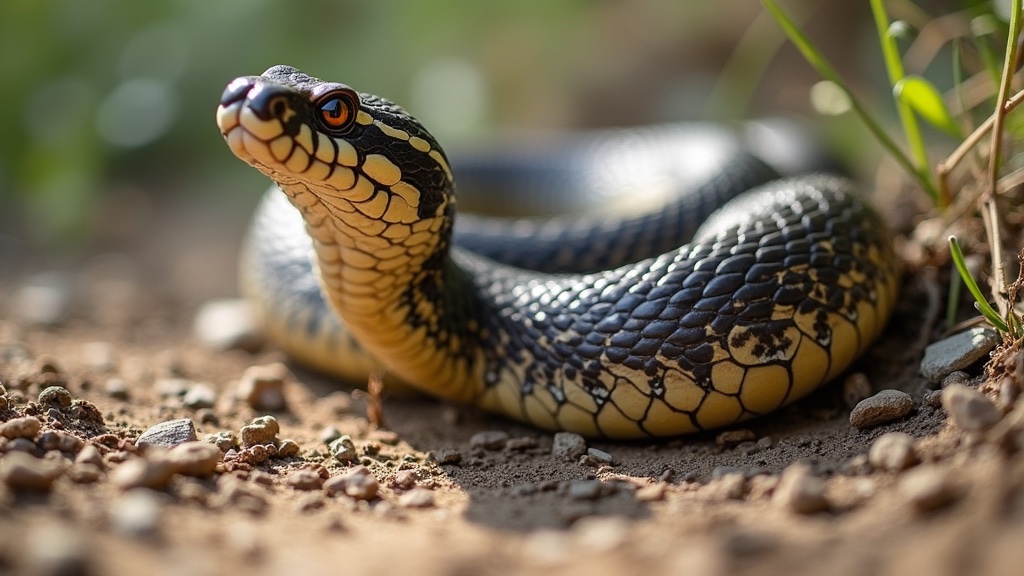
Common species include rat snakes, king snakes, and black racers. This guide covers 10 steps to protect your flock.
Key Takeaways
- Cover all openings larger than 1/4 inch with galvanized hardware cloth.
- Elevate the coop at least 18 inches off the ground to reduce hiding spots underneath.
- Clear debris and tall grass around the coop to remove snake habitat.
- Collect eggs daily to remove the primary attractant.
In This Guide
1. Cover All Openings With Hardware Cloth
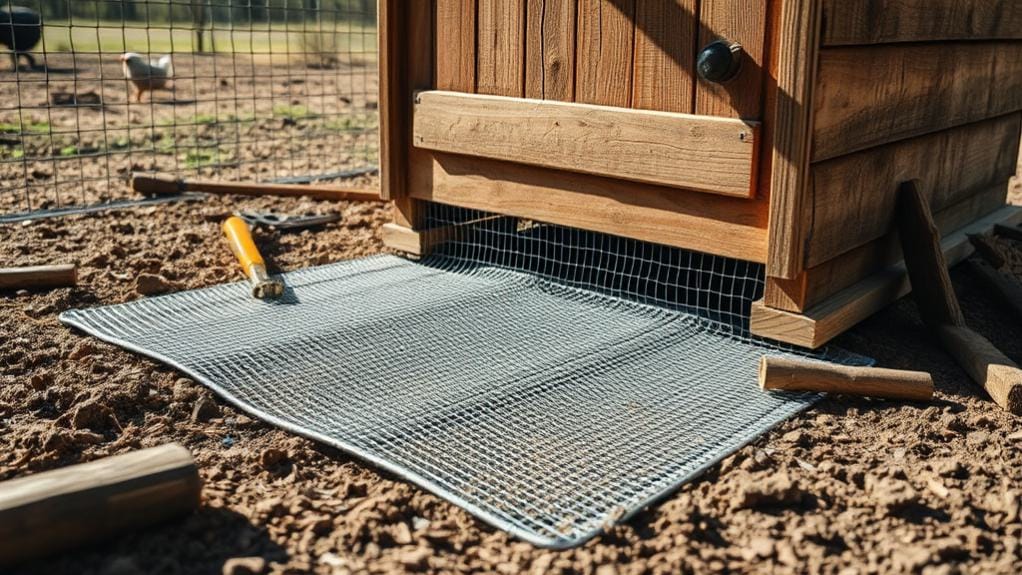
Cover every window, vent, and opening in the coop with 1/4 inch galvanized hardware cloth. Use screws and washers, not staples. Snakes can push through stapled mesh.
2. Elevate the Coop
Elevate the coop at least 18 inches off the ground. This reduces hiding spots underneath and makes it harder for snakes to access the floor. It also helps with ventilation.
3. Clear the Perimeter
Clear all debris, tall grass, weeds, and wood piles within 10 feet of the coop. Snakes use these as cover when approaching the coop.
4. Bury a Barrier Around the Coop
Bury 1/4 inch hardware cloth at least 6 inches deep around the perimeter of the coop, with the bottom 6 inches bent outward at a 90-degree angle. This prevents snakes from digging under the walls.
5. Seal All Gaps
Seal gaps around pipes, wires, and corners with caulk or expanding foam. A gap of 1/4 inch is enough for a young snake to enter.
6. Secure the Chicken Run
Cover the entire chicken run with 1/4 inch hardware cloth, including the top. Snakes can climb wooden posts and enter through the top. Use steel posts for the frame.
7. Collect Eggs Daily
Snakes are attracted to eggs. Collect eggs at least once daily, preferably in the morning. Do not leave eggs in the nesting boxes overnight.
8. Remove Rodent Populations
Rodents attract snakes to the coop. Secure chicken feed in metal containers, clean up spilled feed, and remove rodent hiding spots around the coop.
9. Install Motion-Activated Lights
Install motion-activated lights around the coop. While snakes are not strongly affected by light, the lights deter rodents that attract snakes.
10. Regular Inspection
Inspect the coop weekly for new gaps, damaged hardware cloth, and signs of snake activity (shed skin, droppings). Early detection prevents problems.
For more, read our snake barrier guide.
Frequently Asked Questions
What snakes eat chickens?
Most snakes that enter coops target eggs and chicks, not adult chickens. Rat snakes, king snakes, black racers, and bull snakes are common egg-eaters. Large constrictors may take small chicks but rarely attack adult hens.
Will a snake eat a chicken egg?
Yes. Snakes swallow eggs whole. A rat snake can consume multiple eggs in one feeding. Collecting eggs daily is the best defense against egg-eating snakes.
Can a snake get through chicken wire?
Yes. Chicken wire (hexagonal wire mesh) has openings that are large enough for young and small snakes to pass through. Use 1/4 inch hardware cloth instead. Chicken wire is designed for chickens, not snake exclusion.
How do I know if a snake has been in my coop?
Signs include missing eggs or chicks, shed snake skin in the coop, snake droppings (liquid with white tips), and disturbed nesting material. You may also find the snake itself coiled in a corner or nesting box.
The Bottom Line
Snake-proofing your chicken coop requires covering all openings with 1/4 inch hardware cloth, elevating the coop, clearing the perimeter, and burying a barrier around the base.
Collect eggs daily, control rodents, and inspect the coop weekly. The most important investment is replacing chicken wire with 1/4 inch hardware cloth on all openings, including the top of the chicken run.