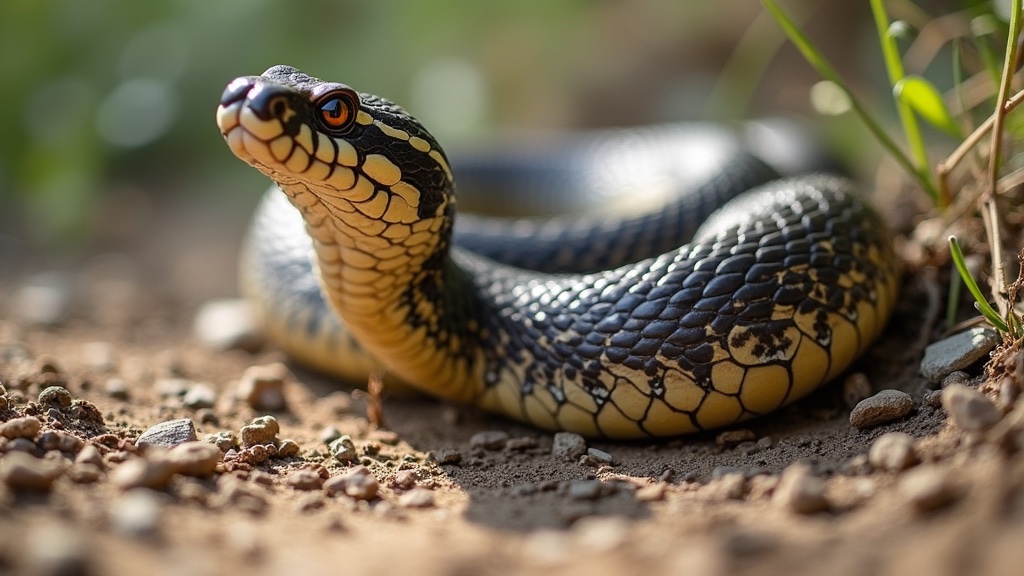
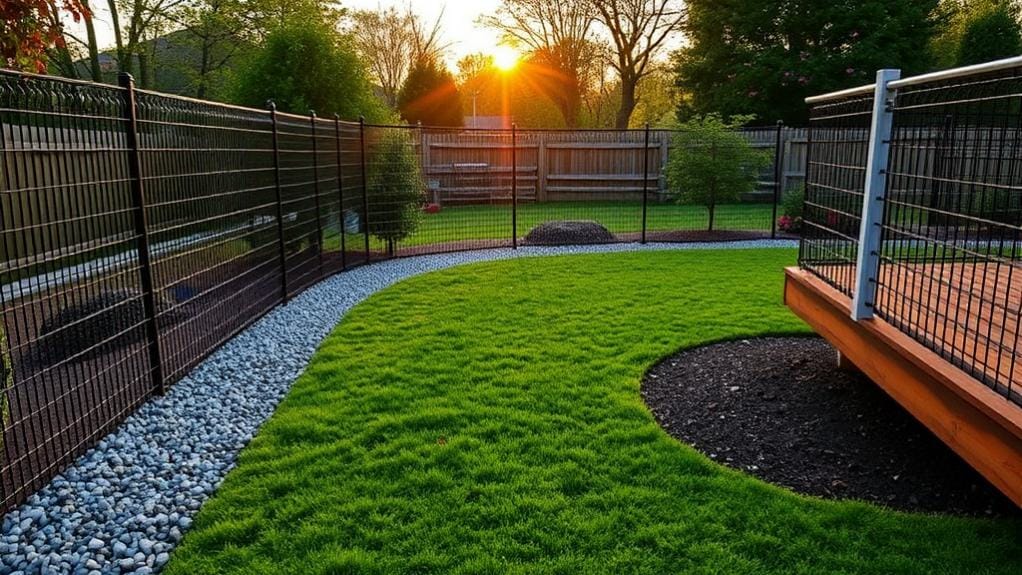
Snake-proofing your yard requires removing hiding spots, sealing entry points, and installing snake-proof fencing. Most snakes are attracted by food (rodents, insects) and shelter (wood piles, tall grass, rock piles). This weekend project covers 10 steps to make your yard less attractive to snakes.
Key Takeaways
- Clear all debris, wood piles, and tall grass to remove snake hiding spots.
- Seal gaps in foundations, walls, and around pipes with 1/4 inch hardware cloth.
- Control rodent populations to remove the snake's primary food source.
- Install snake-proof fencing with 1/4 inch mesh, 4 ft tall, buried 6 inches deep.
In This Guide
1. Clear All Debris
Snakes hide in piles of leaves, branches, and yard waste. Remove all debris from your yard, especially near the foundation. Stack firewood at least 18 inches off the ground and away from the house.
2. Keep Grass Mowed Short
Tall grass provides cover for snakes and their prey. Keep grass at 4 inches or shorter. Trim weeds and overgrown vegetation around fences, sheds, and the foundation.
3. Remove Wood and Rock Piles
Wood piles, rock piles, and construction debris are ideal snake habitats. If you must keep firewood, store it in a sealed shed or on a raised rack at least 18 inches off the ground.
4. Seal Foundation Gaps
Inspect the foundation for cracks, gaps around pipes, and openings in crawlspace vents. Seal all gaps larger than 1/4 inch with hydraulic cement, expanding foam, or 1/4 inch hardware cloth.
5. Cover Vents and Openings
Cover all foundation vents, crawlspace openings, and weep holes with 1/4 inch galvanized hardware cloth. Secure with screws and washers. Check monthly for damage.
6. Install Snake-Proof Fencing
Install a fence made of 1/4 inch galvanized hardware cloth, at least 4 feet tall, with the bottom 6 inches buried and bent outward at a 90-degree angle. This prevents snakes from climbing over or digging under.
7. Control Rodent Populations
Eliminate rodents by securing garbage cans, removing pet food, and cleaning up birdseed spills. Consider rodent control services if the population is large. Fewer rodents means fewer snakes.
8. Reduce Moisture
Fix leaky faucets and hoses, improve drainage, and remove standing water. Snakes need moisture. Dry yards are less attractive.
9. Remove Bird Feeders
Birdseed attracts rodents, which attract snakes. Move feeders away from the house and clean up spilled seed regularly.
10. Regular Inspection
Walk your property monthly to check for new gaps, rodent activity, and snake signs (shed skin, droppings). Early detection prevents problems.
For more, read our snake barrier guide.
Frequently Asked Questions
Can I snake-proof my yard in one weekend?
Yes. Clearing debris, mowing, and sealing obvious gaps can be done in a weekend. Snake-proof fencing takes longer to install. Prioritize debris removal and foundation sealing first.
What attracts snakes to a yard?
Snakes are attracted by food (rodents, insects, frogs), shelter (wood piles, tall grass, rock piles), and moisture (standing water, leaky hoses). Remove these and snakes will move on.
Does snake repellent work for yards?
Chemical repellents are not reliable for yards. The most effective approach is habitat modification: remove hiding spots, reduce food sources, and install snake-proof fencing. This is the only proven long-term solution.
How much does it cost to snake-proof a yard?
DIY snake-proofing costs $50 to $200 for materials (hardware cloth, fencing, caulk). Professional snake-proofing costs $300 to $1,000 depending on the size of the property and the number of entry points.
The Bottom Line
Snake-proofing your yard is a weekend project that can significantly reduce the risk of snakes entering your property. Clear debris, mow grass, seal foundation gaps, and control rodents.
Install snake-proof fencing for the best long-term protection. Regular monthly inspections catch new problems early. The investment in prevention is far less than the cost of professional snake removal.