Table of Contents
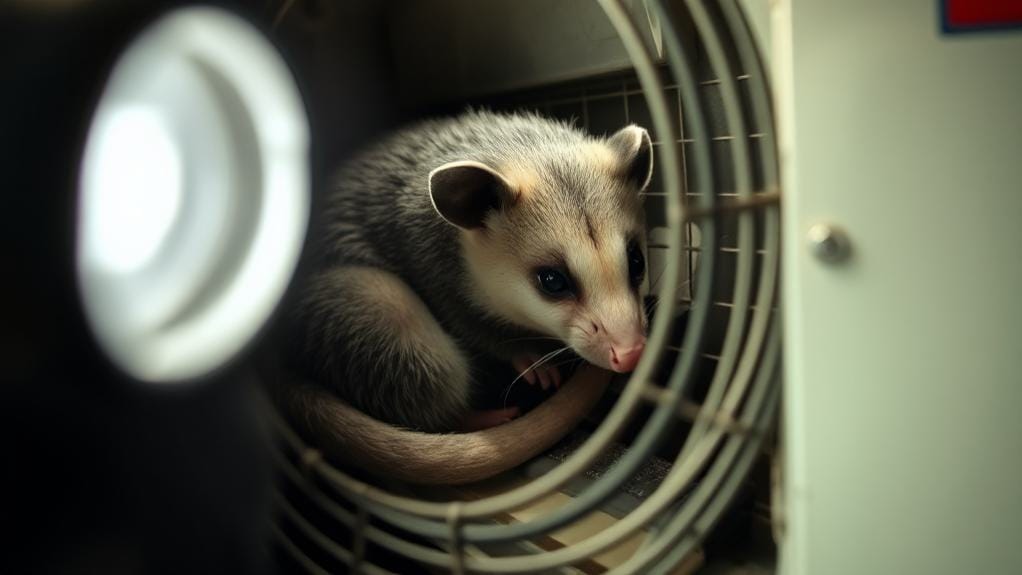
A possum in your air conditioning unit can be safely removed by turning off the power, using a live trap, and sealing the access point. Virginia opossums (Didelphis virginiana) are attracted to the warmth and shelter of AC units, especially during colder months. They can damage insulation, wiring, and ductwork if left unchecked. This guide covers safe removal steps.
Key Takeaways
- Turn off the power to the AC unit before attempting removal. This protects both you and the possum.
- Use a live trap baited with canned fish or fruit near the access point.
- Seal the access point with 1/2 inch galvanized hardware cloth after removal.
- Call a professional if the possum is trapped inside the unit or if you cannot safely access the area.
Prepare for Removal
1. Turn Off the Power
Before doing anything else, turn off the power to the AC unit at the breaker. This prevents the unit from turning on automatically and injuring the possum or damaging the system.
2. Gather Safety Gear
Heavy-duty gloves, safety goggles, and a flashlight. Possums may hiss and bare their teeth when scared, but they rarely bite. Protective gear is still recommended.
3. Inspect the Unit
Check for entry points around the AC unit. Possums can squeeze through gaps as small as 3 to 4 inches. Look for chewed insulation, droppings, and nesting material.
Remove the Possum
- Open the access panel. Remove the side panel or top cover of the AC unit. Wear gloves to protect against sharp edges.
- Check for the possum. Use a flashlight to look inside. The possum may be hiding in the insulation or behind the compressor.
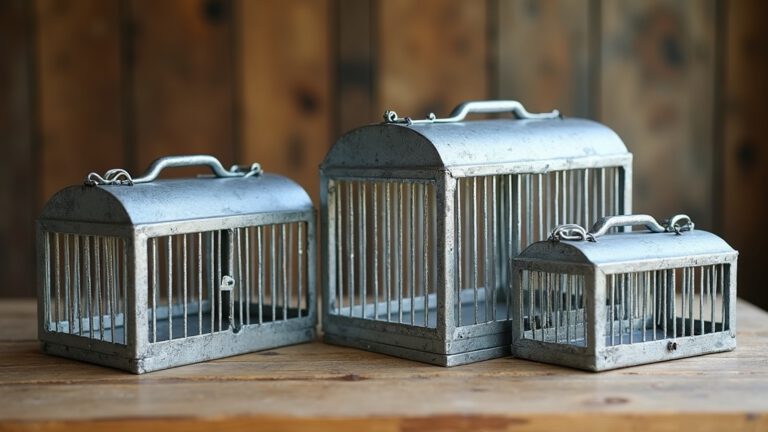
- Set a live trap near the opening. Bait with canned fish, fruit, or peanut butter. Place the trap so the possum must enter it to exit the unit.
- Wait for the possum to trap itself. Check the trap every 4 hours. Once caught, cover the trap with a towel to calm the animal.
- Relocate the possum. Release it at least 5 miles away in suitable wooded habitat. Check local regulations before relocating.
Prevent Future Entry
- Seal gaps around the AC unit with 1/2 inch galvanized hardware cloth.
- Repair or replace damaged insulation around refrigerant lines.
- Install a gravel barrier around the base of the unit to discourage digging.
- Keep the area around the unit clean and free of debris that could provide shelter.
For more, read our possum behavior guide.
Frequently Asked Questions
Can a possum damage my AC unit?
Yes. Possums can chew through insulation, wiring, and ductwork. They can also leave droppings and nesting material that can obstruct airflow and cause the unit to work harder. Prompt removal is essential to prevent costly repairs.
How did a possum get into my AC unit?
Possums can squeeze through gaps as small as 3 to 4 inches. They enter AC units through damaged insulation, loose panels, or gaps where refrigerant lines enter the unit. They are attracted to the warmth and shelter, especially in colder months.
Will a possum leave my AC unit on its own?
Not reliably. If the possum has found a warm, sheltered spot, it may stay indefinitely. It will leave only if it feels threatened or if food becomes scarce. Active removal is usually necessary.
How much does it cost to repair possum damage to an AC unit?
Repair costs range from $200 to $1,000 depending on the extent of the damage. Common repairs include replacing chewed wiring ($150-$500), repairing insulation ($100-$300), and cleaning debris from the unit ($50-$200).
The Bottom Line
Removing a possum from your AC unit is a straightforward process: turn off the power, use a live trap, and seal the access point afterward. Possums can cause damage to insulation and wiring, so prompt removal is recommended. If you are not comfortable handling the situation, call a professional wildlife control operator or HVAC technician.