Table of Contents
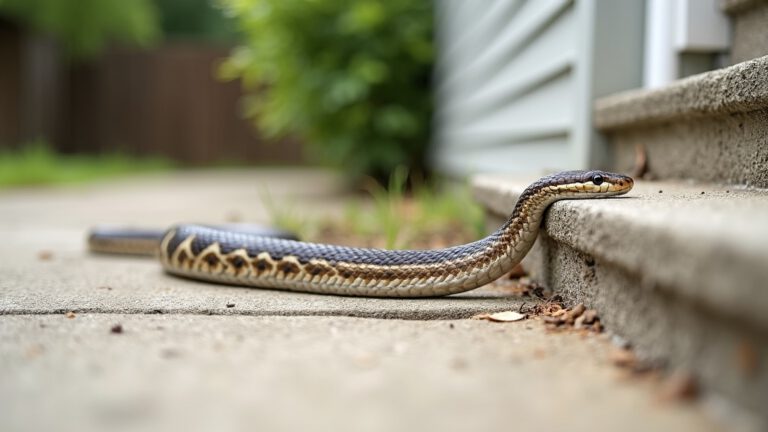
Snakes hide in three main spots inside your house: behind appliances, in crawlspaces, and in attic insulation. Snakes seek dark, warm, undisturbed areas with access to prey (rodents, insects). Common species include garter snakes, rat snakes, and copperheads. This guide covers where to look and how to prevent snakes from entering your home.
Key Takeaways
- Behind appliances like refrigerators, stoves, and washing machines offers warmth and darkness.
- Crawlspaces and basements provide cool, moist shelter with rodent access.
- Attic insulation can harbor snakes that have climbed up from the exterior.
- Prevention involves sealing entry points and removing food sources and hiding spots.
In This Guide
1. Behind Appliances
Snakes are drawn to the warmth and darkness behind large appliances. Common hiding spots include:
- Behind refrigerators where the compressor provides heat
- Behind stoves and ovens
- Behind washing machines and dryers
- Behind water heaters in basements or utility rooms
- Inside cabinets under sinks, especially in kitchens and bathrooms
These areas are rarely disturbed, dark, and often have small gaps in the wall or floor that snakes can enter through.
2. Crawlspaces and Basements
Crawlspaces and unfinished basements are ideal snake habitats. They offer:
- Cool, moist conditions that snakes prefer
- Access to rodents that are the snake’s primary food source
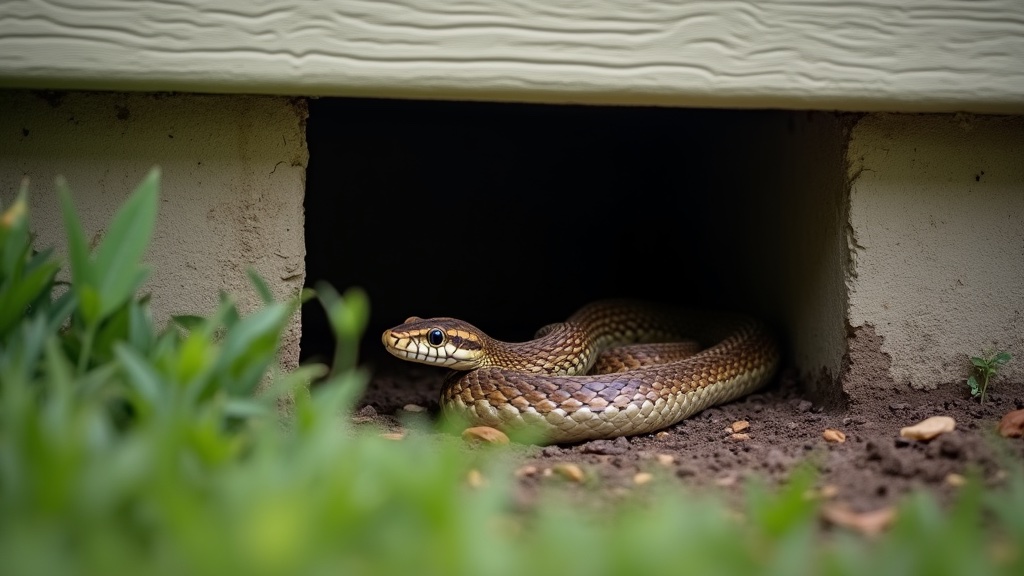
- Dark, undisturbed hiding spots under insulation, pipes, and stored items
- Entry points through foundation cracks, vents, and gaps around pipes
3. Attic Insulation
Snakes can enter attics through gaps in the roofline, damaged soffits, or uncapped chimneys. Once inside, they hide in insulation where they are warm and undisturbed. Signs of snakes in the attic include:
- Shed snake skin in the insulation
- Droppings with white tips (uric acid)
- Slither tracks in dusty areas
- Noises in the attic that may be confused with rodents
Prevention
- Seal all gaps in foundations, walls, and around pipes with 1/4 inch hardware cloth or caulk.
- Install door sweeps on all exterior doors.
- Cover vents and chimneys with 1/4 inch hardware cloth.
- Reduce rodent populations by securing food sources and sealing entry points.
- Remove clutter from basements, crawlspaces, and garages.
For more, read our snake hole guide and snake barrier guide.
Frequently Asked Questions
What attracts snakes into a house?
Snakes enter houses seeking food (rodents, insects), shelter (warmth, darkness), and moisture. If your home has a rodent problem, snakes will follow. Seal entry points and control rodents to prevent snakes.
How do I know if there is a snake in my house?
Look for shed skin, droppings with white tips, and slither tracks in dusty areas. Listen for rustling sounds in walls or ceilings. Check behind appliances and in cluttered areas. If you find a snake, do not approach it. Call a professional.
What should I do if I find a snake in my house?
Stay calm. Do not approach or corner the snake. Confine it to one room by closing doors. Call a professional wildlife control operator. If you can identify the snake as non-venomous and want to remove it yourself, use a bucket and broom.
Are snakes in the house dangerous?
Most snakes in houses are non-venomous and pose little threat. However, venomous species like copperheads and rattlesnakes can enter homes. Never assume a snake is harmless. Call a professional for identification and removal.
The Bottom Line
Snakes hide in three main spots in your house: behind appliances, in crawlspaces and basements, and in attic insulation. They are attracted by food (rodents), shelter, and moisture. The best prevention is sealing entry points with 1/4 inch hardware cloth, controlling rodent populations, and removing clutter. If you find a snake, do not approach it. Call a professional wildlife control operator for safe removal and identification.