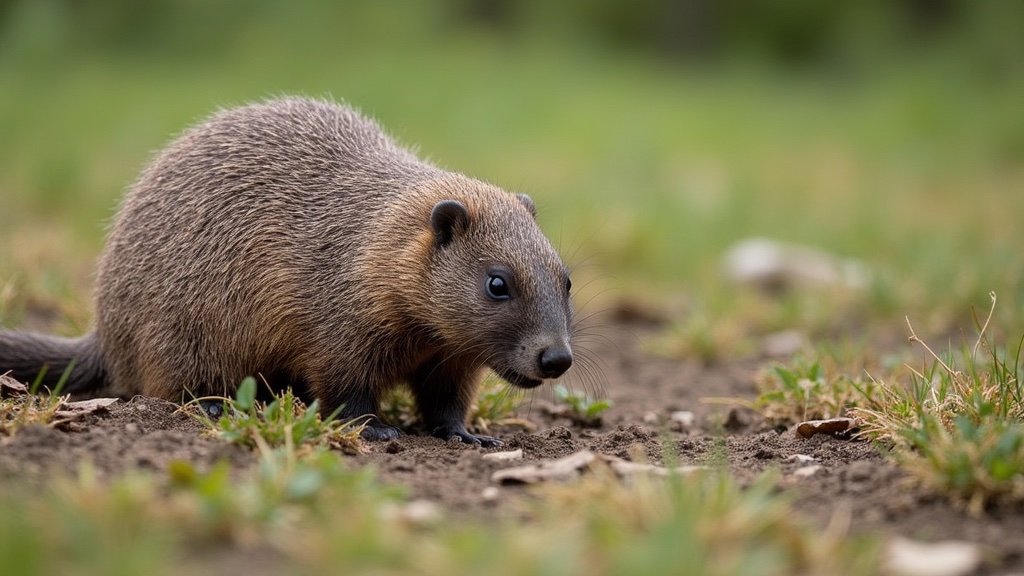
Groundhog Removal Cost Guide: What to Expect (2026)
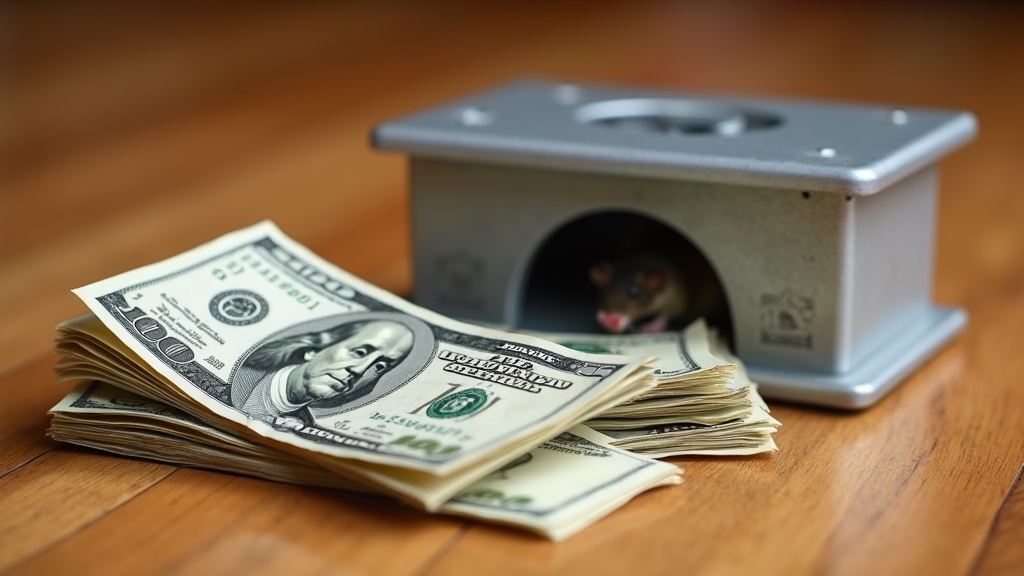
Groundhog removal costs vary widely depending on the method, infestation severity, and whether you hire a professional. Understanding the costs upfront helps you budget and choose the most cost-effective solution for your situation. This guide breaks down all your options and their associated expenses.
Key Takeaways
- DIY trapping costs to for traps and bait, making it the most affordable option for single groundhogs (Marmota monax).
- Professional removal averages to per groundhog for standard live trapping services.
- Exclusion services add to for perimeter fencing and burrow sealing.
- Emergency or structural removal can exceed for complex situations.
- Multiple groundhogs (Marmota monax) require additional traps and visits, increasing total costs.
DIY Trapping Costs
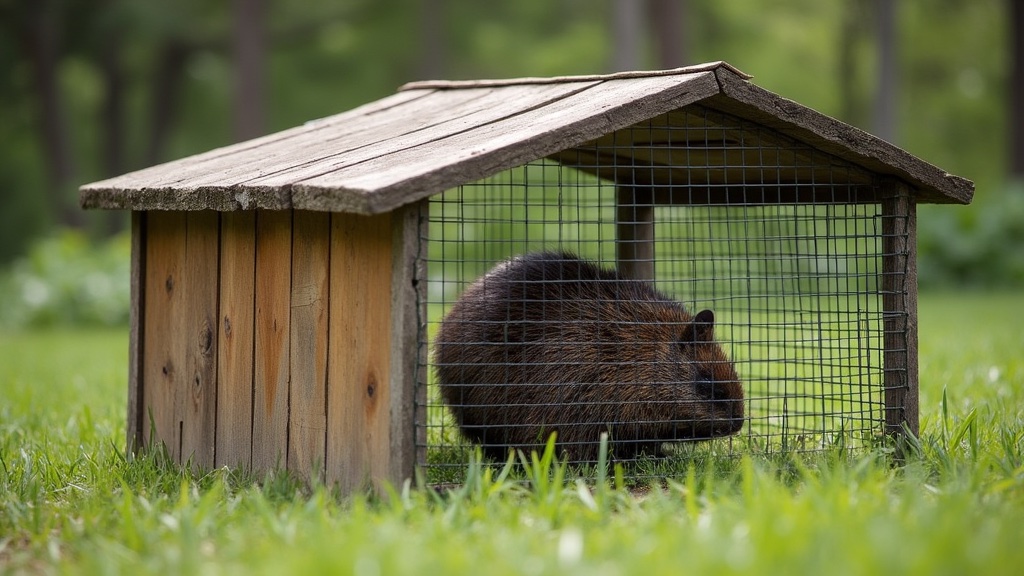
Do-it-yourself groundhog removal is the most budget-friendly option. A quality live trap costs between and . Popular models like the Havahart 1045 or 1085 are reliable choices that will last for years of use.
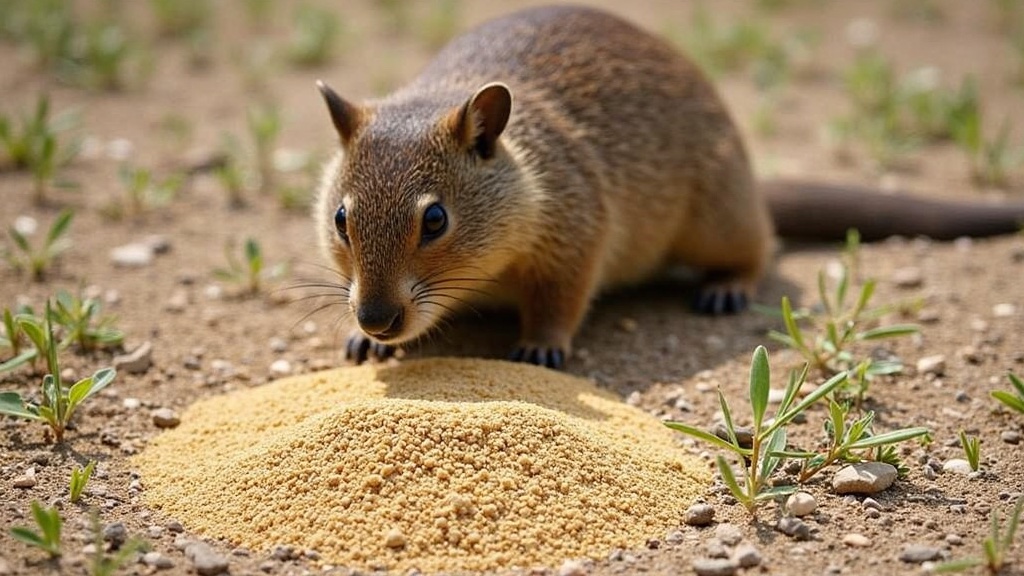
Additional supplies include bait ( to for cantaloupe or commercial lures), a trap cover or camouflage materials ( to ), and a relocation container or transport cover ( to ). Total DIY investment ranges from to .
Money-Saving Tip
Many local animal control offices and wildlife centers offer trap rental programs for a small deposit. This is an excellent option if you only need the trap for a short period.
Professional Removal Costs
Professional wildlife control operators typically charge between and for standard groundhog removal. This usually includes an inspection, trap setup, and removal of one groundhog. Most professionals include up to two weeks of trapping service in this fee.
For multiple groundhogs (Marmota monax) or large infestations, costs increase. Each additional groundhog may add to . Some companies charge per animal caught, while others charge per visit. Always ask about their pricing structure before agreeing to service.
Exclusion and Prevention Costs
After removal, exclusion is essential to prevent groundhogs (Marmota monax) from returning. Professional exclusion services typically cost between and . This includes sealing burrow entrances, installing underground barriers, and reinforcing vulnerable areas.
DIY exclusion is more affordable. Hardware cloth, trench digging tools, and materials cost between and for a typical garden or shed perimeter. The labor is significant but the material costs are modest.
Factors That Affect Removal Costs
Your location significantly impacts pricing. Urban areas with higher operating costs typically charge more for wildlife removal. Rural areas often have lower rates but may charge travel fees for distant properties.
The difficulty of access matters too. Groundhogs (Marmota monax) under decks, sheds, or foundations require more labor, specialized equipment, and time. Simple yard burrows are the quickest and cheapest to address.
Hidden Costs Warning
Some wildlife companies charge extra for after-hours service, weekend calls, travel over certain distances, and disposal fees. Always get a written estimate that itemizes all potential charges before authorizing work.
Cost Comparison by Method
| Removal Method | Average Cost | Best For | Effectiveness |
|---|---|---|---|
| DIY Live Trapping | – | Single groundhog, handy homeowners | High |
| Professional Live Trapping | – per animal | Multiple groundhogs (Marmota monax), limited time | Very High |
| One-Way Exclusion Door | – (DIY) to (pro) | Known exit routes, under structures | High |
| Burrow Fumigation | – | Persistent infestations, last resort | Moderate |
| Full Exclusion Package | – | Prevention after removal | Very High |
When to Pay for Professional Help
Hire a professional when groundhogs (Marmota monax) have established burrows under structures like sheds, decks, or foundations. Structural burrows require specialized knowledge to remove animals safely without causing damage to your property.
Professional help is also recommended for large infestations, when you have tried DIY methods without success, or when local regulations require licensed wildlife control operators. Some municipalities prohibit DIY trapping entirely.
Frequently Asked Questions
Does homeowners insurance cover groundhog removal?
Standard homeowners insurance typically does not cover groundhog removal or damage. Some policies may cover structural damage caused by burrowing under a foundation, but the removal itself is usually excluded.
Is it cheaper to trap groundhogs (Marmota monax) myself?
Yes, DIY trapping is significantly cheaper for single groundhogs (Marmota monax). Your initial investment of to for a trap pays for itself after one or two groundhogs (Marmota monax) compared to professional rates of to per animal.
Why are groundhog removal quotes so different?
Quotes vary based on your location, the number of groundhogs (Marmota monax), burrow accessibility, and the company’s pricing model. Get at least three quotes and compare what is included in each before choosing a provider.
Do I need to pay for groundhog disposal?
Some professionals include disposal in their fee, while others charge extra. Euthanasia and disposal fees typically range from to . Ask about this upfront as it is not always included in the quoted price.
What is the cheapest way to get rid of groundhogs (Marmota monax)?
The cheapest method is DIY live trapping using cantaloupe bait. Borrow or rent a trap from a local animal control office for minimal or no cost. Your only expenses are bait and a few basic supplies.
Related Resources
How to Get Rid of Groundhogs (Marmota monax) in Your Yard (2026) · The 7 Best Groundhog Traps for Safe Removal (2026) · Groundhog Under Shed: Signs, Removal, and Prevention (2026)
Why Trust WildAnimalsCentral
WildAnimalsCentral provides transparent, research-based cost information to help homeowners make informed decisions. Our pricing data comes from surveys of licensed wildlife control operators across the United States and analysis of consumer reports.