Rats in your yard are more than a nuisance, they are a health risk and a gateway to your home. Norway rats (Rattus norvegicus) are burrowing rodents that thrive in yards, gardens, and landscaped areas. They dig extensive tunnel systems, damage plants, contaminate soil, and eventually find their way into homes. Eliminating rats from your yard requires a combination of harborage removal, baiting, and exclusion.
Key Takeaways
- Remove harborage: Rats need shelter. Remove piles of wood, debris, dense vegetation, and junk that provide hiding places.
- Eliminate food sources: Secure garbage, pick up fallen fruit, clean up pet food, and cover compost piles.
- Bait stations: Use tamper-resistant bait stations along foundations, fences, and known rat runways.
- Seal burrows: Fill rat burrows with gravel or soil after removing the rats. Monitor for reopening.
- Prevent re-entry: Seal gaps in foundations, vents, and utility penetrations. Trim vegetation away from the house.
In This Guide
Why Rats Are in Your Yard
Rats are in your yard for three reasons: food, water, and shelter. Eliminate any one of these, and rats will move elsewhere. The most common rat attractants in yards include:
- Pet food left outside: Rats are attracted to dry dog food, cat food, and bird seed. Feed pets indoors or remove food bowls after feeding.
- Fallen fruit from trees: Fruit trees are a major rat attractant, especially in summer and fall. Pick up fallen fruit daily.
- Compost piles: Rats love compost, especially if it contains food scraps. Use a closed compost bin or avoid adding food waste.
- Garbage bins: Unsecured bins are an all-you-can-eat buffet for rats. Use rat-proof bins with locking lids.
- Bird feeders: Spilled bird seed is a primary rat food source. Use tray-style feeders that catch seed and clean up spills.
- Wood piles: Stacked firewood provides ideal rat harborage. Store wood at least 18 inches off the ground and away from the house.
- Dense vegetation: Overgrown shrubs, ivy, and ground cover hide rat burrows. Keep vegetation trimmed and maintain a clear gravel barrier around the foundation.
- Standing water: Bird baths, clogged gutters, and pet water bowls provide water. Eliminate standing water sources.
How to Eliminate Rats From Your Yard
Follow this systematic approach to eliminate rats from your yard:
- Remove harborage: Clear debris, stack firewood off the ground and away from the house, trim vegetation, and remove junk piles.
- Secure food sources: Use rat-proof garbage bins, pick up fallen fruit daily, remove bird feeders temporarily, and do not leave pet food outside.
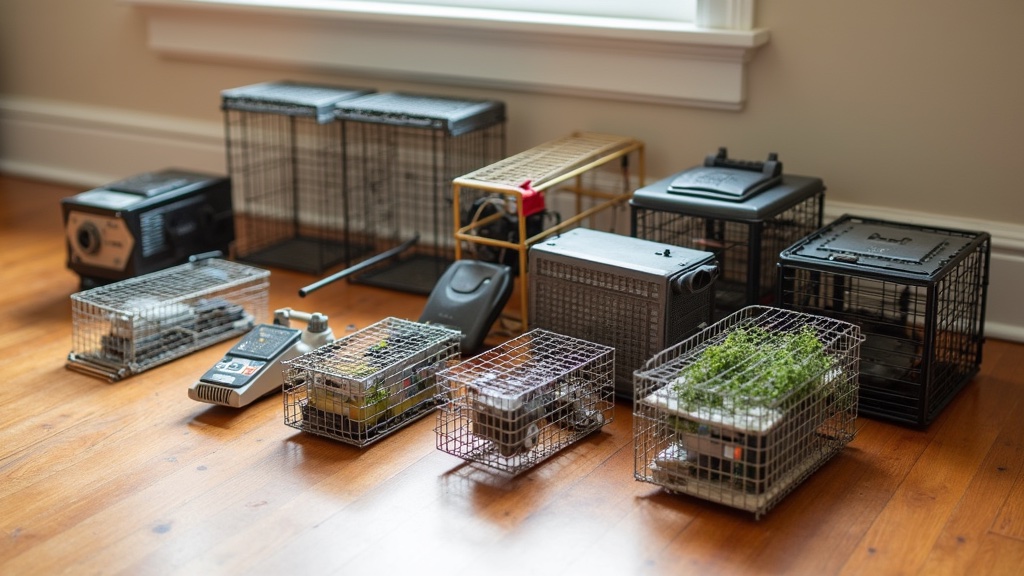
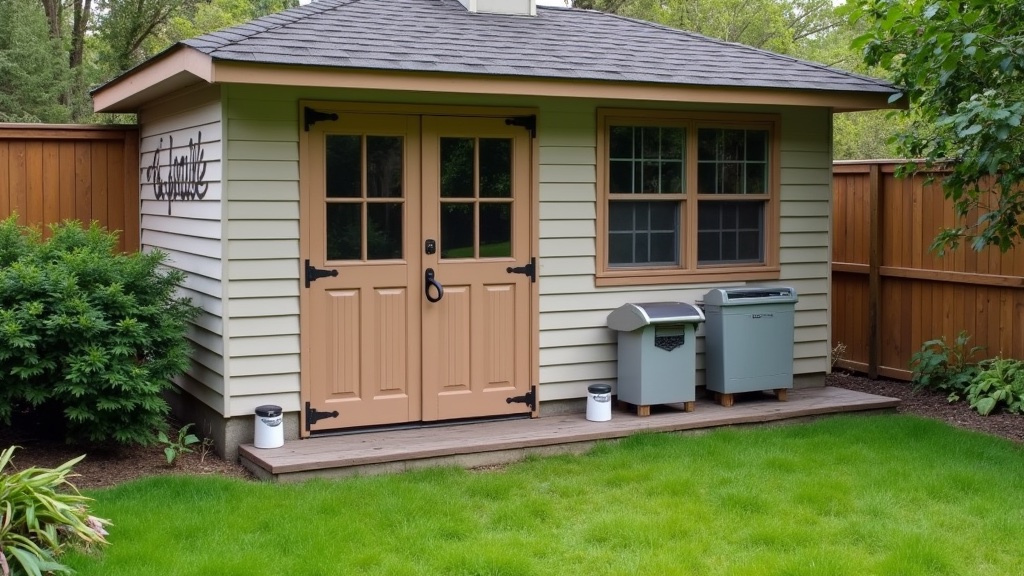
- Install bait stations: Place tamper-resistant bait stations along fences, foundations, and known rat runways. Use first-generation anticoagulant bait blocks. Check and refill weekly.
- Seal burrows: After rats have been feeding on bait for 1 to 2 weeks, fill active burrows with gravel or soil. If the burrow is reopened, repeat the process.
- Exclude rats from buildings: Seal all gaps in foundations, crawl space vents, and utility penetrations. Install door sweeps on exterior doors.
Safety Warning
If you have pets or children, use tamper-resistant bait stations exclusively. Never place loose bait blocks where pets or wildlife can access them. Dispose of dead rats promptly in sealed bags. Wear gloves when handling dead rats. See our rodenticide safety guide for complete safety information.
Preventing Re-Infestation
After eliminating the current rat population, maintain your yard to prevent re-infestation. Keep vegetation trimmed, store firewood properly, secure garbage bins, and inspect your foundation regularly for new gaps. Rats from neighboring properties may still explore your yard, but without food, water, or shelter, they will not stay.
See our best rat traps guide for trapping products and our rodent proofing guide for comprehensive prevention strategies.
Frequently Asked Questions
How long does it take to get rid of rats in the yard?
With bait stations and harborage removal, most yard rat problems are resolved within 2 to 4 weeks. Large infestations may take longer.
Will rats in the yard eventually enter my house?
Yes. Rats in the yard are a direct threat to your home. They will eventually find their way inside through gaps in the foundation, vents, or utility penetrations.
Do ultrasonic repellents work for yard rats?
No. Ultrasonic repellents have no proven effectiveness against rats outdoors. Rats adapt to the sound within days. Focus on harborage removal and baiting.
Can I use rat poison in my yard safely?
Yes, when used in tamper-resistant bait stations. Place stations along fences and foundations where rats travel. Keep stations away from pet areas and vegetable gardens.
Related Resources
For trapping products, see best rat traps guide. For poison safety, read rodenticide safety guide. For prevention, see rodent proofing your home and wildlife removal cost guide.
Why Trust Us
WildAnimalsCentral.com provides rodent control information based on Integrated Pest Management (IPM) principles, CDC guidelines, and consultations with licensed pest control professionals. Our yard rat control methods are proven effective in residential settings.